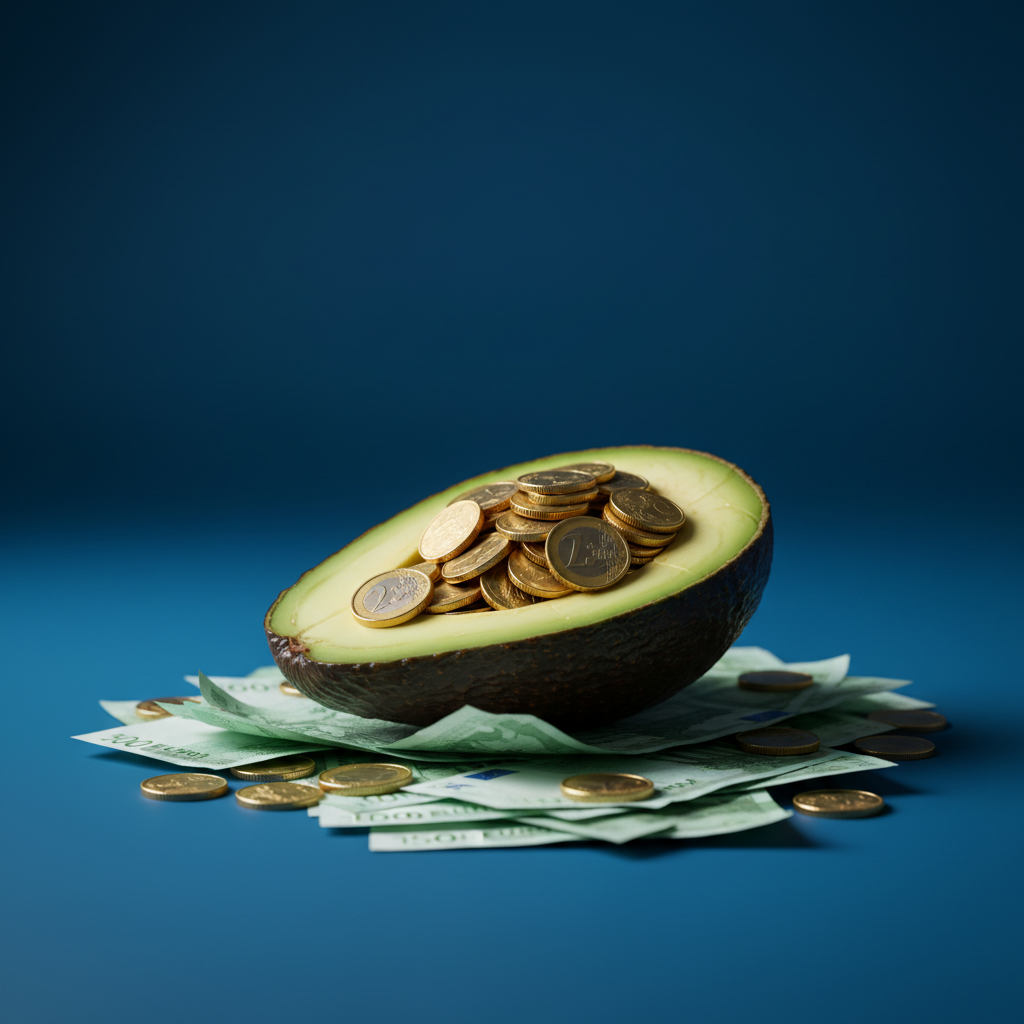
Ghana’s avocado value chain could generate between €1.5 billion and €2 billion annually with about 150,000 acres under structured commercial cultivation.
This substantial economic activity would also create more than 150,000 direct and indirect jobs across various sectors. These jobs would span farming, nurseries, irrigation, harvesting, processing, exports, and support services. The initiative aims to position avocado among Ghana’s most important non-traditional export opportunities.
This push represents a strategic shift from Ghana's historical reliance on raw commodity exports. The nation has often seen greater value captured by other countries through processing, branding, and manufacturing. Cocoa, gold, timber, and crude oil have followed a similar pattern. Ghana typically produces these raw materials, while others refine them, package them, and earn larger profit margins. Avocado provides an opportunity to reverse this trend by establishing an industrial value chain.
An article in The Business & Financial Times highlights avocado as the “new cocoa for the next generation.” The report emphasizes that the real prize lies in the value chain, not just fresh fruit exports. Ghana must avoid repeating past mistakes by ensuring avocado farms feed local factories rather than just exporting raw produce. This approach will maximize revenue and job creation.
Developing a robust avocado industry involves several critical steps. The country must encourage the production of premium avocado oil, skincare ingredients, food products, nutraceutical inputs, and animal feed. These processed products can then be exported as branded goods to regional and international markets. This strategy promises to generate long-term rural wealth and significantly strengthen foreign exchange earnings.
The financial prospects for avocado cultivation are compelling. A commercial avocado orchard with modern production systems could generate annual revenue of $15,000 to $30,000. Over 35 years, this could result in a lifetime revenue potential of $525,000 to $1.05 million. This significantly outperforms other typical investments in Ghana. For example, a well-managed cocoa investment might generate $4,000 to $7,000 annually. Oil palm offers $6,000 to $10,000 annually. Residental real estate, often considered safe, yields around $3,600 per year for a $100,000 property.
Building a €2 billion avocado industry requires more than just enthusiasm; it needs substantial long-term financing. Institutions like GIRSAL, Development Bank Ghana, EXIM Bank, and pension funds will be crucial. Private investment will also play a significant role in funding the extensive infrastructure and operations required. Ghana’s decision-makers must prioritize this industrial approach to unlock the full economic potential of avocado.