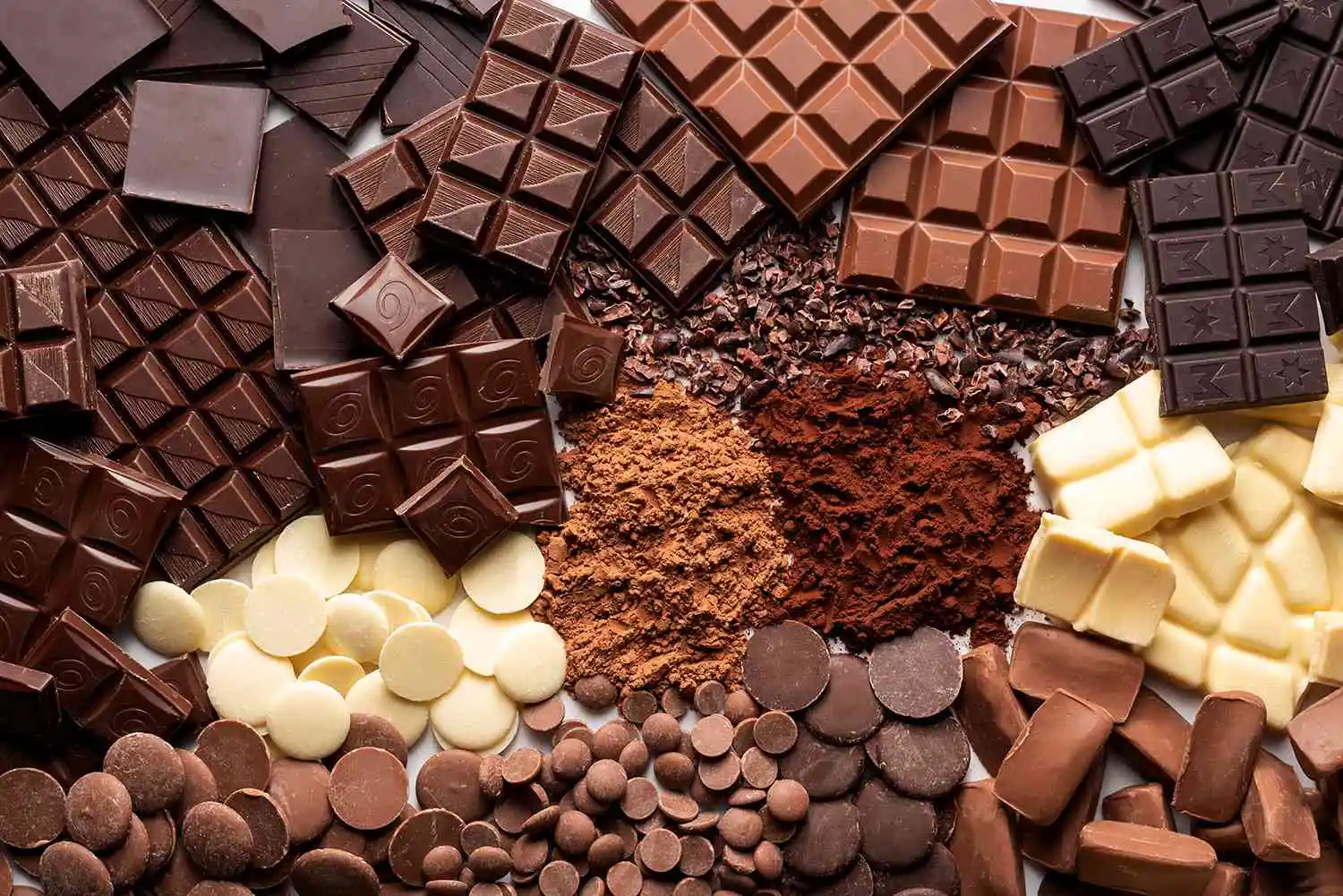
Ghana, a leading global cocoa producer, captures only a small fraction of the final value from chocolate products. This structural imbalance exposes the nation to significant economic vulnerability, according to recent analysis.
The country's deep reliance on exporting raw cocoa beans to the European Union (EU) is increasingly problematic. New EU environmental and traceability requirements are raising the cost and complexity of market access. This situation highlights Ghana's limited share of the economic value created after cocoa beans leave the farm gate.
This challenge fits into Ghana's broader economic narrative of commodity dependence. The nation consistently seeks to diversify its economy and add value to its raw materials. However, the cocoa sector's current structure limits its contribution to this goal. West Africa, including Ghana, produces roughly 65% of the world's cocoa. Yet, much of the profitable processing, manufacturing, and branding occurs outside the region, primarily in Europe.
Fitch Solutions stated, "We believe the EU’s central role in global cocoa bean imports leaves West African producers highly exposed to developments within the bloc." This statement underscores the critical need for Ghana to adapt its cocoa strategy. The traditional model, focused on production quality and export access, is no longer sufficient. Ghana must defend its market access while simultaneously retaining more economic value domestically.
The implications are significant for Ghana's long-term development model. The country must invest in infrastructure, energy, and financing to support local processing. Without these conditions, Ghana risks remaining a raw material supplier. This would continue to expose it to commodity price volatility and external market pressures. Decision-makers must prioritize policies that foster local value addition and reduce dependence on raw material exports.
Between 2021 and 2024, an average of 53.70% of Ghana's cocoa bean exports went to the EU. This figure illustrates the high market concentration and associated risks. Other major West African producers, like Côte d’Ivoire, also show similar reliance on the EU market. For example, Côte d’Ivoire sent 57.40% of its cocoa beans to the EU during the same period.
Despite producing about 70% of global cocoa, Ghana, Côte d’Ivoire, Nigeria, and Cameroon capture only about 6% of a finished chocolate bar's value. This stark contrast means producing nations bear most risks, including farming, weather, and commodity price fluctuations. Processors and manufacturers in Europe, conversely, capture larger profit margins.
Ghana exported approximately US$1.08 billion worth of raw or roasted cocoa beans in 2024. The Netherlands alone accounted for roughly US$247 million of these exports. Other significant European destinations included Spain, Belgium, Germany, and Italy. This highlights the continued dominance of raw bean exports.
While Ghana has made some progress in processing cocoa butter, powder, and paste, chocolate exports remain negligible. International Trade Centre data, cited by Fitch Solutions, shows cocoa beans represented an average of 18% of total exports across Ghana, Côte d’Ivoire, Cameroon, and Nigeria in 2025. Cocoa paste accounted for only 5%, cocoa butter 4%, and cocoa powder 1%.
Europe, in contrast, has accounted for approximately two-thirds of global chocolate exports over the past five years. This demonstrates the vast economic disparity in the cocoa value chain. Closing this gap requires more than just building processing plants. Ghana needs reliable energy, affordable financing, efficient logistics, and sophisticated marketing capabilities. These factors are crucial for transforming cocoa into high-value consumer products domestically.
The current model of exporting raw cocoa beans for processing elsewhere will face increasing pressure. This will have implications for global cocoa trade flows. Ghana must strategically reposition itself to capture more value. This includes developing local processing capacity and penetrating consumer markets more effectively. The long-term economic stability of Ghana's cocoa sector depends on these critical changes.