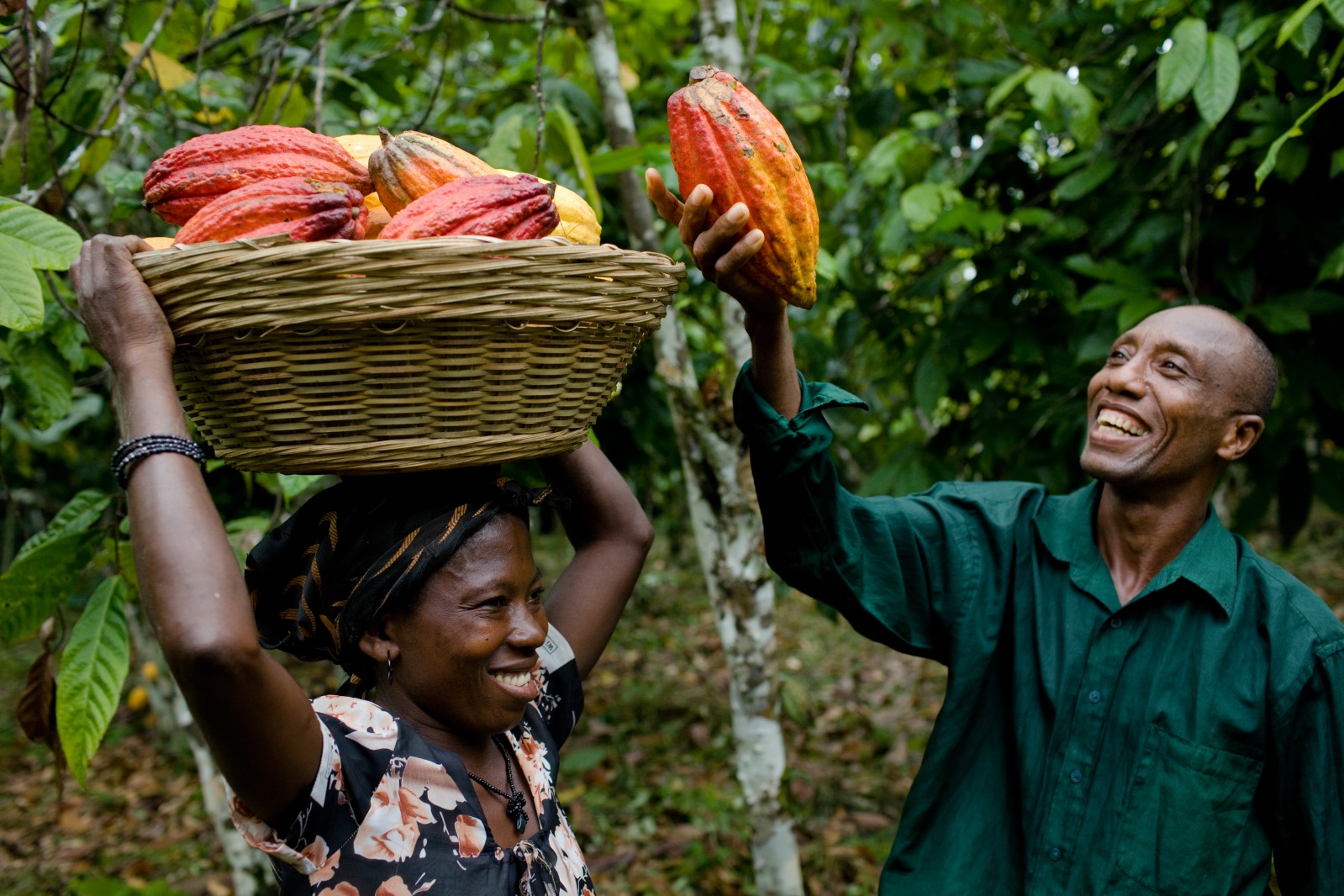
Ghana’s cocoa sector expanded by 3.80% year-on-year in the first quarter of 2026. This marks a significant deceleration from the 23.10% growth recorded in the corresponding period of 2025.
This slowdown suggests the cocoa industry has entered a more moderate growth phase. The robust recovery in 2025 followed a severe contraction throughout much of 2024. Cocoa's contribution to overall economic growth also weakened substantially, falling to 0.90 percentage points in the first quarter of 2026 from 5.00 percentage points a year earlier.
The cocoa sector remains crucial to Ghana’s economy, supporting rural livelihoods and generating significant export earnings. It is a major component of the country’s agricultural output and contributes to public revenue. This moderation in growth comes even as global cocoa prices have climbed, with futures approaching US$5,000 per tonne after previously dropping below US$4,000.
Provisional Gross Domestic Product (GDP) estimates from the Ghana Statistical Service highlight this trend. The data shows the sector is still growing, but it no longer provides the large boost to agricultural performance and broader economic growth seen last year.
The moderation follows a difficult period in 2024, when cocoa production contracted for four consecutive quarters. Output fell by 27.10% in the first quarter of 2024 and by 12.80% in the fourth quarter. A strong rebound occurred in 2025, with growth of 23.10% in the first quarter and 28.10% in the third quarter.
However, this recovery began to fade in the last quarter of 2025, with growth slowing to 3.00%. The current 3.80% growth in early 2026 suggests the strong base-effect recovery of 2025 is giving way to a more subdued outlook. Ghana’s cocoa industry faces ongoing challenges including ageing farms, disease, climate variability, and illegal mining. Smuggling risks, input constraints, and farmer income concerns also persist.
The slowdown in cocoa growth also contributed to a wider moderation in the agriculture sector. Agriculture itself expanded by 4.00% in the first quarter of 2026, down from 6.60% in the same period of 2025. Crop production grew by 4.70%, compared to 6.70% a year earlier. Agriculture still accounts for 21.40% of GDP and contributed 13.50% to overall GDP growth during the quarter. However, cocoa's weaker performance means it is carrying less of the growth burden.
Policymakers, investors, and farmer groups will closely monitor cocoa’s performance in upcoming quarters. If growth remains modest, it could prompt calls for deeper reforms. These reforms would target farm productivity, disease control, input delivery, and producer pricing. Stronger anti-smuggling enforcement and increased value addition are also critical.
The Ghana Cocoa Board (Cocobod) has also faced pressure to reform its financing model. This includes reducing reliance on offshore syndicated loans. Cocobod must also support farmers and stabilise the sector after recent production shocks. The first-quarter numbers indicate that Ghana’s cocoa recovery is not yet firmly established. The challenge for policymakers is ensuring that this moderate expansion does not lead to stagnation, requiring sustained investment in the sector.