Ghana's Ministry of Food and Agriculture has significantly advanced agricultural productivity through its 'Feed Ghana Programme'. This initiative has provided farmers with 40,000 bags of inorganic fertilizer and 500,000 Kuroiler birds to enhance food security.
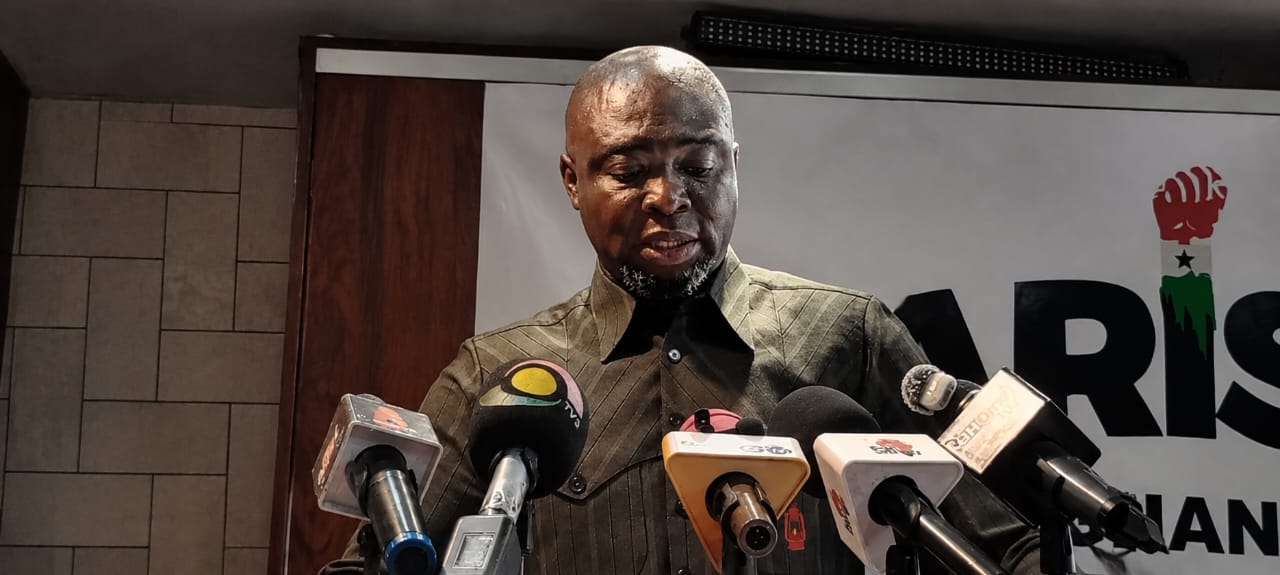
The independent assessment by Arise Ghana highlights these efforts, commending Minister Eric Opoku for placing agricultural transformation on the national agenda. The programme aims to reduce dependence on food imports and create jobs across the agricultural value chain. It represents a coordinated approach, integrating crop production, livestock, irrigation, and market linkages.
This focus on agriculture is crucial for Ghana's economic stability and food independence. The sector employs a large portion of the population and directly influences food prices and national development. Previous challenges included limited finance and weak market connections. These new reforms seek to address long-standing issues, moving beyond simple input distribution to a more holistic strategy. The government's commitment to agriculture reflects a broader national effort to diversify the economy and build resilience against global supply chain disruptions. This aligns with Ghana's long-term development goals, aiming for self-sufficiency in key food commodities.
Arise Ghana stated, "Ghana cannot sustainably solve its food-security challenges by focusing exclusively on the distribution of fertiliser and seeds." The organization emphasized the importance of connecting farmers to the entire value chain, from land preparation to processing and markets. This comprehensive view underpins the current policy direction, ensuring that interventions deliver sustainable benefits.
Going forward, stakeholders will closely monitor the long-term impact of these reforms on farmer incomes and food inflation. The success of the 'Feed Ghana Programme' could set a precedent for future sector-specific interventions. Policymakers will assess how these initiatives contribute to Ghana's overall economic growth and reduce reliance on imported foodstuffs. Continued investment in agricultural infrastructure and farmer training will be essential for sustained progress.
The 'Feed Ghana Programme' is a multi-year intervention designed to boost agricultural output. It integrates various components like livestock, poultry, and mechanization. The programme has also distributed nearly 8,000 cartons of organic fertilizer. This diverse approach aims to improve soil health and reduce reliance on chemical inputs.
Furthermore, the government has expanded agricultural extension services. It trained and commissioned 506 'Feed Ghana Brigadiers'. These brigadiers provide technical support and coordinate activities at the district level. Their role is to strengthen extension services and promote modern farming practices among farmers. This direct support helps farmers adopt new technologies and improve their yields.
The programme has significantly boosted food production and livelihoods. The distribution of 500,000 Kuroiler birds specifically targeted smallholder farmers. This includes women, single mothers, and persons with disabilities. The initiative aims to improve household nutrition and generate additional income. A broader poultry revitalisation programme targets millions of birds through commercial and backyard production.
Another critical policy is the 'Seed Sovereignty & Fertilizer Reform'. This reform includes investments in seed testing equipment and soil laboratories. It also involves nationwide soil sampling to guide precise fertilizer blending. The national soil lab in Kumasi is being rehabilitated. This will enable district-level soil testing, moving away from 'blanket fertilizer application'. Instead, farmers will receive soil-specific blends, ensuring better quality control and efficient resource use. These reforms are crucial for optimizing crop yields and reducing waste.