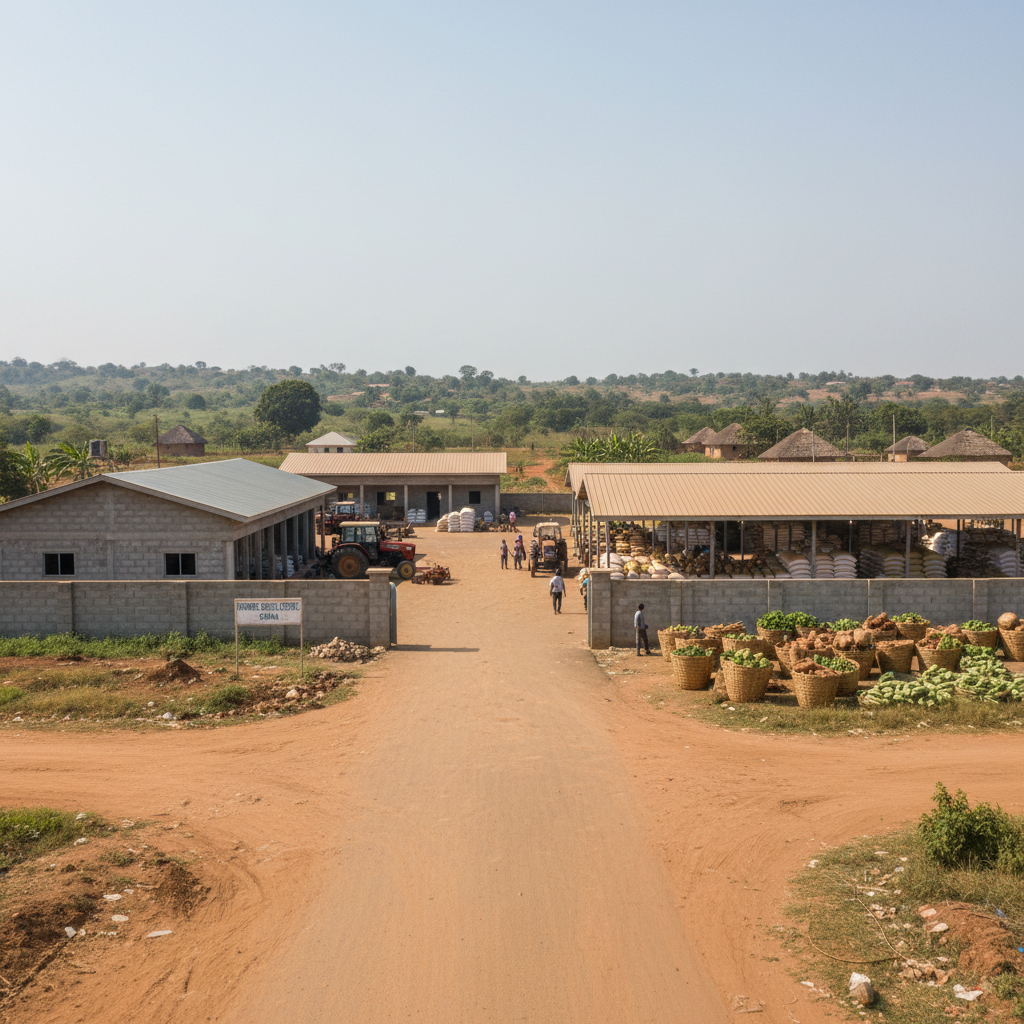
President John Dramani Mahama announced the government has identified 50 locations for Farmers Service Centres across Ghana. 11 of these centres are expected to begin operations this year. This initiative aims to modernise agriculture and improve support systems for farmers.
These centres will provide farmers with easier access to agricultural inputs, machinery, and technical assistance. This support addresses critical needs of smallholder farmers. Enhanced agricultural access will improve production and strengthen Ghana's food security.
This initiative fits into Ghana's broader strategy for agricultural transformation. Agriculture is a major contributor to Ghana's Gross Domestic Product (GDP). It also provides significant employment opportunities, especially in rural areas. Boosting this sector supports job creation and economic growth nationwide.
President Mahama highlighted the government's commitment to this plan during a meeting. He met with members of the Upper West Regional House of Chiefs at Jubilee House. He stated, “Government has identified 50 locations nationwide for the establishment of farmer service centres, with 11 expected to begin this year.” This underscores direct government involvement in the project.
The establishment of these centres will likely increase agricultural output and improve farmer livelihoods. Increased food production could also lead to more stable food prices for consumers. Decision-makers will monitor the rollout of the 11 initial centres for their impact. This will inform future phases and investments in the agricultural sector. The success of these centres could attract further investment in agricultural infrastructure.
Investing in agriculture is central to Ghana’s development agenda. It contributes significantly to rural development and overall economic stability. The government plans to expand opportunities for citizens by investing in critical sectors like agriculture. This includes healthcare and education, to ensure development reaches every community.
The emphasis on agriculture is tied to national stability. President Mahama stressed the importance of peace and security. He described security as a necessary foundation for sustainable development. Working with traditional leaders ensures a stable environment for these projects to succeed. This integrated approach links economic development directly to social cohesion efforts.