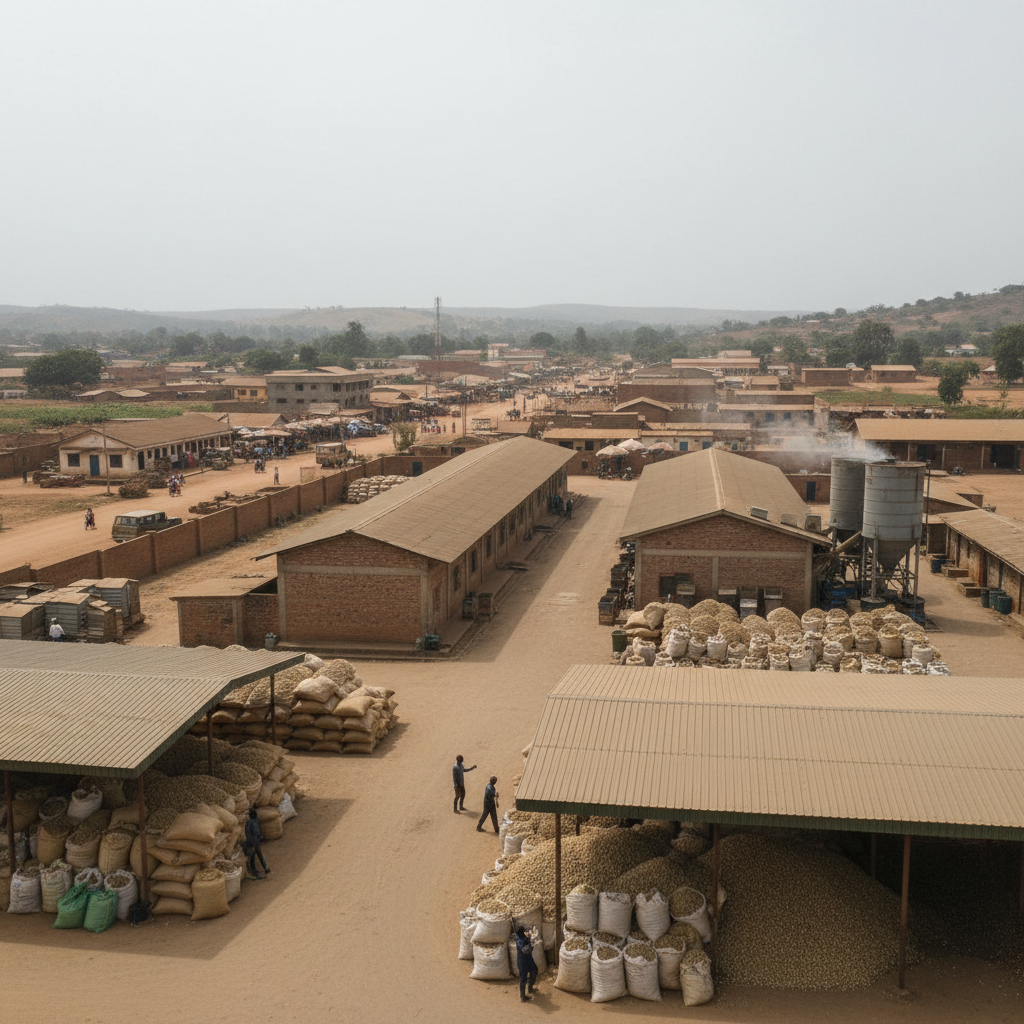
The Tree Crops Development Authority (TCDA) has launched the National Shea Commodity Platform in Tamale. This new digital system aims to modernize Ghana's shea value chain, improve market transparency, and strengthen climate-resilient agriculture. The platform will connect rural shea nut collectors, mainly women in northern Ghana, directly with domestic and international buyers, helping to promote fair pricing.
This initiative responds to long-standing challenges in the shea sector. It aims to reduce dependence on intermediaries and increase opportunities for exports and value addition. The platform will also support measuring climate-smart farming methods and carbon storage efforts. This is part of the Ghana Shea Landscape Emission Reductions (SLER) project. The Green Climate Fund (GCF) provides funding for this project.
Ghana’s economy relies heavily on commodity exports. The shea sector has lagged behind other key tree crops. Previously, fragmented efforts and insufficient investment hindered its growth. The TCDA, established under Act 1010 of 2019, aims to regulate and develop key tree crops. These include cashew, coconut, mango, oil palm, rubber, and shea. This new platform shows a commitment to transforming the shea industry into a competitive and sustainable sector. The shea industry currently contributes significantly to rural livelihoods, especially for women.
Speaking at the inauguration, Northern Regional Minister Ali Adolf John described the platform as a strategic step. He said it would unlock opportunities for increased exports and production. United Nations Development Programme (UNDP) Ghana Resident Representative, Niloy Banerjee, stated the initiative would make Ghana’s shea industry more coordinated and globally competitive. He expects it to create jobs and increase export earnings. Global Shea Alliance Managing Director Aaron Adu noted the growing global demand for shea products. However, he warned about rising pressure on the natural resources supporting the industry.
The TCDA Chief Executive, Dr. Andrews Osei Okrah, said the shea sector remains the least developed among Ghana’s six priority tree crops. He cited years of fragmented interventions and weak coordination. The platform will help overcome these issues. It will ensure better coordination of efforts for sustainable management of shea parklands. This includes climate resilience and improved livelihoods for women and young people. The launch signals a renewed focus on a sector with significant untapped economic potential.
Government officials expect the platform to channel climate finance directly to communities involved in landscape conservation. This will support environmental sustainability alongside economic growth. Decision-makers and market participants will closely watch the platform’s effectiveness in increasing shea exports and improving prices for collectors. Success could set a precedent for developing other agricultural commodities in Ghana.