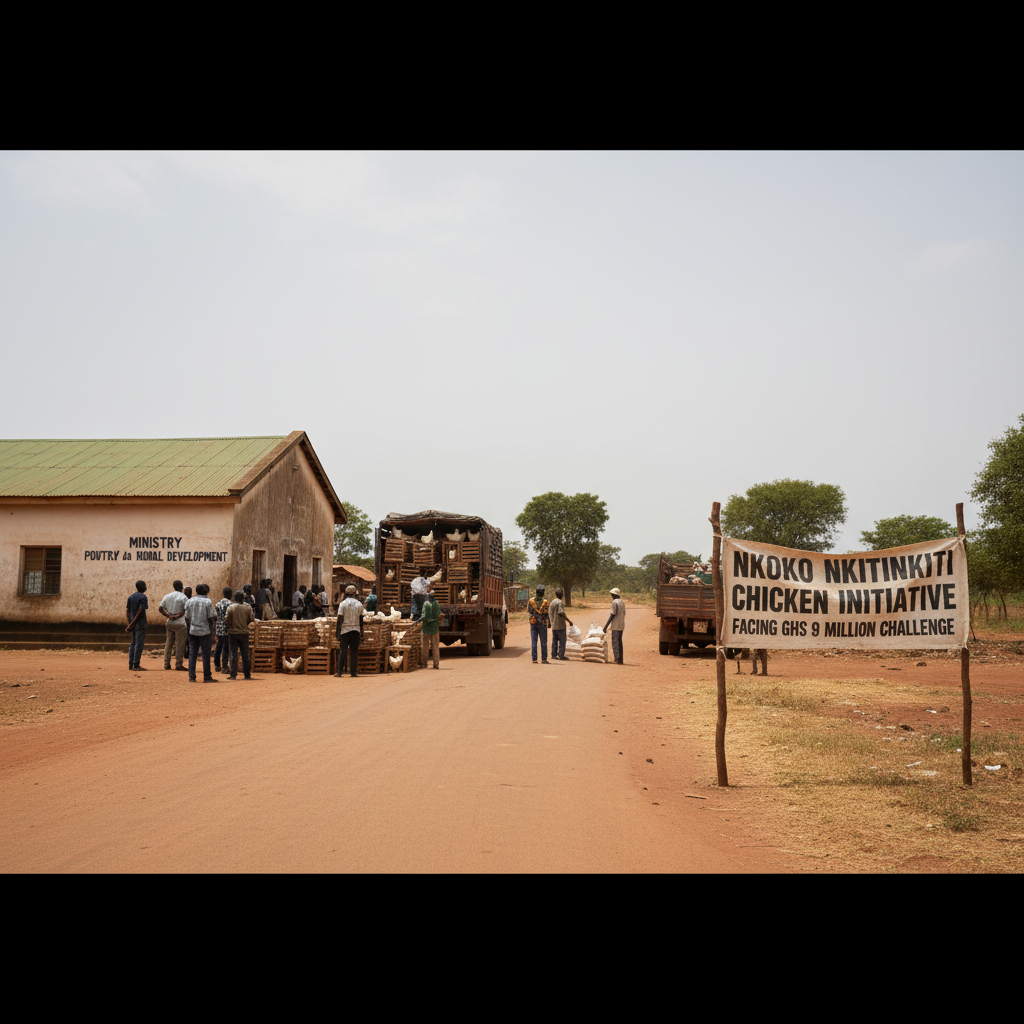
Beneficiaries of the Nkoko Nkitinkiti initiative are slaughtering and consuming the chickens given to them for rearing, according to the Minister for Food and Agriculture. This behaviour directly contradicts the programme's goal of economic empowerment through poultry farming. Some beneficiaries reportedly sent videos of themselves enjoying the birds, which were intended to be productive assets for business development.
This widespread consumption of the distributed birds indicates a significant deviation from the programme's design. The initiative intended for participants to rear the birds, sell some, keep others for multiplication, and gradually build small poultry businesses. Instead, the government's investment, potentially valued in the millions of Ghana cedis, is being used for immediate sustenance rather than long-term wealth creation.
This situation highlights a recurring issue in Ghana's public programmes: the gap between policy intention and household reality. Similar instances have been observed in other distribution schemes, where immediate needs override investment goals. The challenge reflects broader issues in development aid, where productive assets can become immediate relief for households under pressure. Policy experts describe the programme as a tool for economic empowerment, but many beneficiaries view the chickens as a source of immediate protein.
The Minister for Food and Agriculture raised concerns about this trend. He noted some beneficiaries were even documenting their acts. This raises serious questions about the programme's implementation and the accountability of beneficiaries. The initial goal was to provide capital in the form of livestock for self-sufficiency.
Going forward, this development calls for a critical review of beneficiary selection, training, and monitoring processes in government programmes. Decision-makers must assess if recipients genuinely intended to engage in poultry farming or if other factors influenced their participation. Analysts will also watch for policy adjustments to improve oversight and ensure distributed assets serve their intended developmental purpose. Effective monitoring after launch ceremonies is crucial for programme success.
The Nkoko Nkitinkiti programme aimed to foster the growth of small poultry businesses and increase local poultry production. The reported actions of beneficiaries challenge these objectives. This outcome also risks undermining public confidence in government-led empowerment schemes. The government must address questions about the adequacy of training, housing for the birds, and feed support. Effective follow-up by extension officers is also vital to prevent such misuse of public resources.
The Financial Times-style analysis suggests that the programme's success should not be measured solely by the number of birds distributed. Instead, key metrics should include the survival rate of the birds, their multiplication, and the actual income generated by households. Otherwise, the true impact remains unclear. The programme's estimated cost, while not publicly detailed, represents a substantial investment in the agricultural sector. Misuse could mean a loss of GHS 9 million if each of 1 million birds (a speculative but plausible distribution scale for such an initiative) valued at GHS 9 was consumed, representing a significant portion of public funds.
Such incidents can erode trust in government initiatives designed to alleviate poverty and promote self-reliance. It underscores the necessity of robust monitoring and evaluation frameworks. These frameworks ensure public funds achieve their intended societal and economic benefits. Without these measures, similar programmes may face the same outcomes. The Nkoko Nkitinkiti story offers valuable lessons for future development interventions.