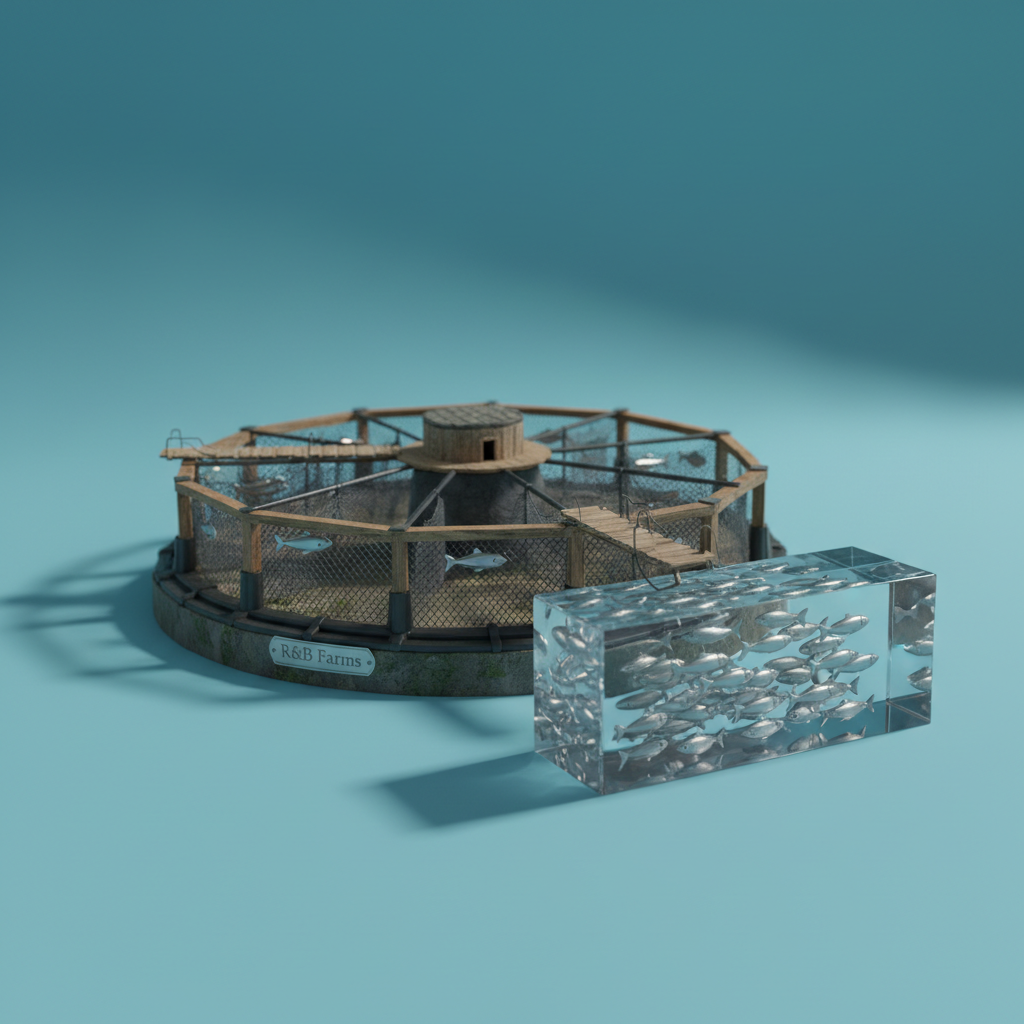
R&B Farms, in partnership with the Ministry of Fisheries and Aquaculture, has launched a pilot aquaculture project in Shama. This initiative targets the conversion of abandoned clay and quarry pits into productive fish farms and is named the Komfueku-Shama Aquaculture Project. The initial phase will deploy approximately 300 fish cages, aiming for an annual production capacity of 1,200 metric tonnes of fish.
This project addresses critical issues of food security and environmental safety. Abandoned excavation sites pose dangers to communities. This innovative approach repurposes these sites into economic assets. It will provide local employment and reduce Ghana's reliance on fish imports. The project is a pilot for similar interventions in other Western Region communities, such as Anto and Daboase, which face similar challenges with derelict pits.
Ghana's fishing sector is crucial to its economy, providing livelihoods and food. However, domestic fish production has struggled to meet demand, leading to significant imports. In 2023, Ghana imported over 100,000 metric tonnes of fish. Initiatives like the Komfueku-Shama Aquaculture Project directly support the government's efforts to increase local production. The project aligns with national agricultural policies aimed at bolstering food security and creating sustainable rural jobs.
Benjamin Turkson, Operations Director and Co-founder of R&B Farms, highlighted the project's primary objective. He stated, “We brought this innovative idea here by trying to convert these abandoned clay and quarry pits for fish farming. The main objective is to make use of these pits that are becoming dangerous in the community.” He noted that abandoned pits have caused numerous accidents, making productive reuse essential. Madam Emelia Arthur, Minister for Fisheries and Aquaculture, reaffirmed this. She called the project a practical example of transforming community challenges into development opportunities.
The successful implementation of this pilot project will determine its scalability across Ghana. This could significantly impact the nation's fish supply and reduce import expenditures. The government and local communities will closely monitor the project’s economic viability and environmental benefits. Financial markets may also observe developments in aquaculture. Increased domestic fish production could stabilize prices and improve household food security. This initiative represents a tangible step towards a more sustainable and self-sufficient fishing industry in Ghana.
The project has already created employment for between 30 and 50 local residents in Komfueku. Many new recruits received training, despite having no prior aquaculture experience. This direct job creation showcases the project's immediate positive economic impact. Such initiatives contribute to Ghana's broader economic development goals. They foster skill development and empower local workforces.