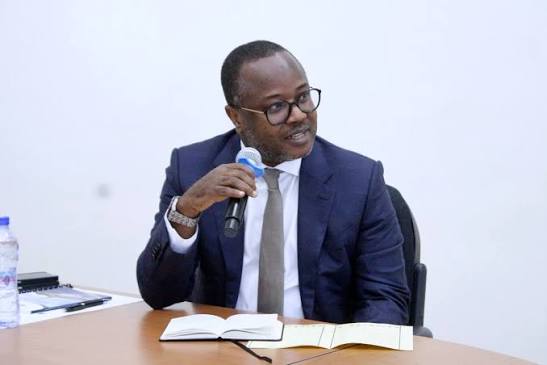
Ghana’s banking sector was undercapitalised for much of the decade preceding the 2017 cleanup. Former Bank of Ghana First Deputy Governor, Dr. Maxwell Opoku-Afari, revealed this systemic weakness. Weak governance and poor risk-management practices were widespread across parts of the financial system.
The 2017–2019 banking-sector cleanup and recapitalisation became critical to restore confidence. These actions aimed to strengthen prudential standards. They involved resolving weak institutions and reinforcing governance in line with core supervisory principles.
This situation fits into Ghana’s broader economic narrative of fiscal challenges. Persistent fiscal deficits and weak revenue mobilisation were visible well before the crisis. These issues contributed to the banking sector's vulnerabilities and the eventual need for state intervention.
Dr. Opoku-Afari stated in his paper, “How not to Miss a Crisis: Lessons from Ghana,” that the fiscal costs were significant. The resolution and cleanup costs of the domestic banking system reached about 7.1% of Gross Domestic Product (GDP) over 2017–2021. The state largely absorbed these costs because an effective deposit insurance framework was absent at the time.
The implications are clear for future financial stability and public finance. Policymakers must address underlying fiscal weaknesses to prevent similar crises. Stronger oversight and timely corrective actions are essential to protect the banking sector and taxpayer money.
Dr. Opoku-Afari further explained that recapitalisation bonds equivalent to about 2.6% of GDP were issued. These bonds supported undercapitalised banks. This was part of a broader financial-sector strengthening following the Domestic Debt Exchange Programme (DDEP). These interventions show a “spillback” from the financial system to the budget. This was necessary to safeguard financial stability and depositor confidence.
The former Deputy Governor noted that weaknesses like persistent fiscal deficits and rising sovereign exposure within the banking system were evident. Yet, political incentives and overly optimistic assumptions delayed recognition and corrective action. This continued until the risks fully materialised. This highlights the importance of independent regulatory oversight and fiscal discipline.
Despite these vulnerabilities, fiscal policy continued to be approved through the budget process. Market access was maintained for a time, including oversubscribed Eurobond issuances. External partners continued to provide financing and complete programme reviews. This disconnect between underlying fundamentals and financing conditions raised questions about risk pricing and the effectiveness of domestic oversight.
This situation also questioned how surveillance frameworks adequately captured liquidity and rollover risks. Dr. Opoku-Afari added that this feedback loop is central to understanding the subsequent domestic-debt build-up. As fiscal financing increasingly shifted toward Cedi-denominated instruments, banks and other institutional investors became primary absorbers of government issuance. This tightened the sovereign–bank nexus. It also increased the macro-financial costs of any loss of market confidence. This historical context provides crucial lessons for Ghana’s current economic management and financial sector resilience.