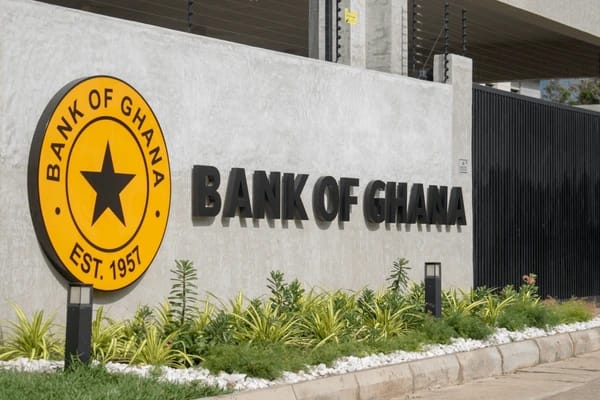
Ghana's Collateral Registry recorded a 32.2% decrease in security interest registrations during the second quarter of 2026. This significant drop saw registrations fall from 135,721 in Q2 2025 to 92,033 in Q2 2026.
The decline primarily stemmed from Savings and Loans Institutions, which accounted for 42.4% of the reduction. Their registrations decreased from 119,649 to 68,871 over the same period. Despite this fall in registration volumes, the total value of secured credit registered surged by 73.4% year-on-year, indicating strong growth in overall lending activities, predominantly driven by commercial banks.
This mixed trend reflects ongoing shifts within Ghana's financial sector. The increase in secured credit value suggests that larger, more valuable loans are being extended, even if the number of individual registrations is lower. This could point to a consolidation of lending activities or a focus on higher-value transactions by financial institutions. The Bank of Ghana's efforts to strengthen the banking sector, including ensuring all 23 banks are fully capitalised, likely contribute to this environment of increased lending capacity and confidence.
The Collateral Registry's Second Quarter Brief on 2026 highlighted these developments. It also noted a 13.9% increase in search activity on its Collateral Registry Application System (CRAS). This rise in searches, from 17,140 in Q2 2025 to 90,518 in Q2 2026, signals greater use of the platform by lenders. Increased search activity improves credit due diligence and reduces information asymmetry, making lending decisions more informed. This improvement may be linked to intensified sensitisation and training activities conducted by the Registry.
The growth in secured credit value, despite fewer registrations, suggests that the financial system is adapting. Lenders might be focusing on larger, more substantial collateralized loans. This could be a strategic response to economic conditions or regulatory changes. The increased use of the CRAS platform also indicates a more sophisticated approach to risk assessment by financial institutions. This enhanced due diligence is crucial for maintaining stability in the lending market.
For Ghana's economy, these figures offer a nuanced picture of credit availability. While the volume of new security interests registered has decreased, the substantial increase in the value of secured credit implies that significant capital is still flowing into the economy. This capital infusion is vital for business expansion and economic growth. Policymakers and financial regulators will closely monitor these trends to ensure a healthy and stable credit environment. The continued strength of commercial banks, as evidenced by their role in driving the increase in secured credit value, remains a key factor for Ghana's financial stability.
The data from the Collateral Registry provides critical insights for investors and businesses. A robust secured lending market supports investment and reduces financial risk. The Registry's efforts to promote its platform are clearly yielding results in terms of usage. This transparency benefits both lenders and borrowers by creating a more predictable and secure financial landscape. Future reports will show if the trend of higher value, fewer volume registrations continues, and how this impacts overall economic activity.