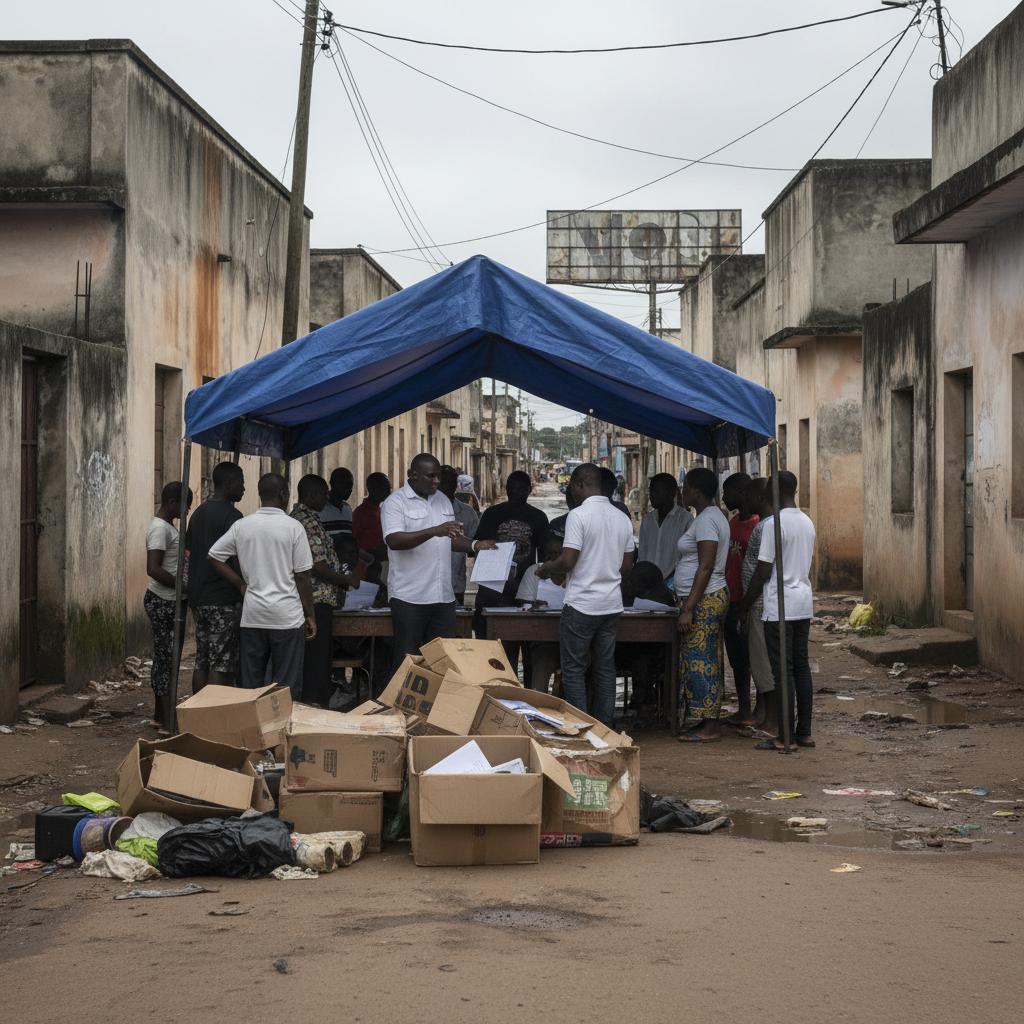
Ghana’s insurance industry has urged the public to prioritise insurance as a critical protection mechanism against unexpected disasters. This call comes after recent floods devastated parts of the country. The industry made this appeal during its participation in a national flood clean-up exercise on Friday, July 10, 2026. The exercise focused on areas around the Ako Adjei Interchange and the Ghana Immigration Service Headquarters in Accra.
This clean-up formed part of a two-day nationwide initiative to address the floods' aftermath. President John Dramani Mahama directed this national effort. Dr. Abiba Zakariah, Acting Commissioner of Insurance at the National Insurance Commission (NIC), explained the industry’s role. She stated insurers must compensate policyholders and promote preventive measures to reduce losses. The industry is also establishing special desks for prompt support to insured individuals and businesses affected by the floods. She confirmed that compensation will be paid quickly to help victims recover their losses.
This initiative aligns with broader efforts to strengthen Ghana's financial resilience against climate-related disasters. Ghana experiences frequent flooding, causing significant economic disruption and property damage. The 2022 World Bank Group’s Country Climate and Development Report for Ghana highlighted high vulnerability to climate change impacts. It projected substantial economic losses if adaptation measures are not scaled up. Increased insurance penetration could mitigate private sector losses, complementing government disaster relief.
Dr. Zakariah stressed that insurance should be seen as an important financial safety net, not a luxury. She explained that insurance operates on collective support. Many people contribute small amounts to help those who suffer losses recover. Seth Kobla Aklasi, Managing Director of Ghana Reinsurance PLC, rejected claims that insurers avoid paying claims. He stated the industry now competes on efficiency and speed in claims payment. He encouraged property owners to insure their homes and businesses. He added that the cost of insurance is minimal compared to the protection it offers. For example, covering an asset worth GHS 1 million would cost only about GHS 2,000 annually.
The insurance industry plans to introduce practical measures to improve awareness and encourage more Ghanaians to take up policies. These policies will protect their lives, properties, and businesses. Gideon Ataraire, Managing Director and CEO of Impact Life Insurance, urged individuals and organisations to plan proactively. He suggested planning now for the 2027 rainy season. He called for greater responsibility from individuals, businesses, and communities in preventing future disasters. Stronger collaboration among citizens, businesses, and government will be essential in reducing the impact of flooding. This collective action can help Ghana better manage recurring flood challenges.