The Ghana Statistical Service (GSS) is developing a new measurement framework to assess national development. This framework will broaden the country's understanding of progress beyond Gross Domestic Product (GDP).
This initiative incorporates well-being, environmental sustainability, resilience, and social inclusion into policy planning. The GSS leads efforts to develop this comprehensive framework for decision-making. Policymakers increasingly recognize that GDP alone does not capture important dimensions of development. These dimensions include equity, environmental stewardship, quality of life, and long-term resilience.
This shift aligns with a growing global trend to supplement GDP with more comprehensive indicators. Many countries and international organizations are exploring 'Beyond GDP' approaches. These approaches better assess social and environmental conditions alongside economic performance. Ghana's national development agenda already recognizes the need for economic expansion to improve quality of life and environmental outcomes.
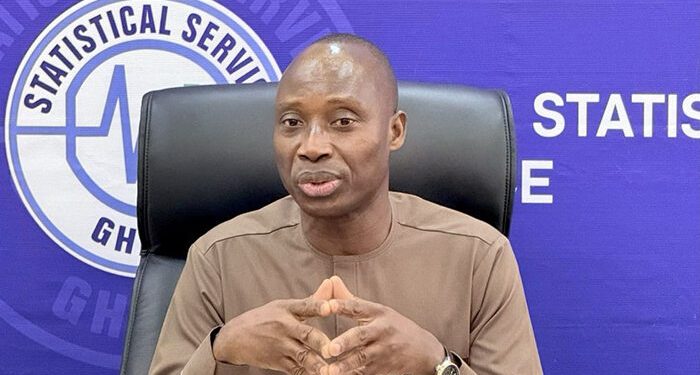
Francis Bright Mensah, Acting Deputy Government Statistician for Economic Statistics and Data Science, spoke at a policy workshop in Accra. He said Ghana has an opportunity to build a national measurement framework. This framework will better reflect the priorities and lived experiences of its citizens. Mr. Mensah noted that for over fifty years, GDP has been the single measure of economic success. "Importantly, it enables us to ask and answer questions that GDP alone cannot," he added.
The proposed framework will complement, not replace, GDP. GDP remains the principal measure of economic activity and a key anchor for macroeconomic management. However, the GSS emphasized that growth figures alone may not reveal natural asset depletion or equitable benefit sharing. This broader framework will help answer crucial questions. It will assess whether economic gains benefit all societal segments. It will also check if natural resources are managed sustainably and if future generations have adequate opportunities.
The discussion carries significant implications for fiscal planning and public policy in Ghana. The country's economy heavily depends on natural resources. These include minerals, forests, agricultural land, and water systems. Assessments of environmental degradation, biodiversity loss, inequity, and social well-being can help policymakers identify risks. These risks may not be visible in conventional economic statistics.
Developing a successful 'Beyond GDP' framework will require more than just technical statistical reforms. It needs cooperation among government agencies, development partners, and academic institutions. The GSS stressed that investment in data systems, statistical innovation, and institutional coordination is critical. This will ensure that new indicators are robust enough for policy formulation and monitoring. The framework should also reflect Ghana’s unique development priorities, not just replicate other models.
Officials stated that this process offers an opportunity to define prosperity properly. It considers local economic, social, environmental, and cultural realities. This workshop is an early step in what is expected to be a longer policy process. While GDP will likely remain central, the new framework could influence future government evaluations of development outcomes. It may also change how resources are allocated and how long-term sustainability of economic growth is assessed.