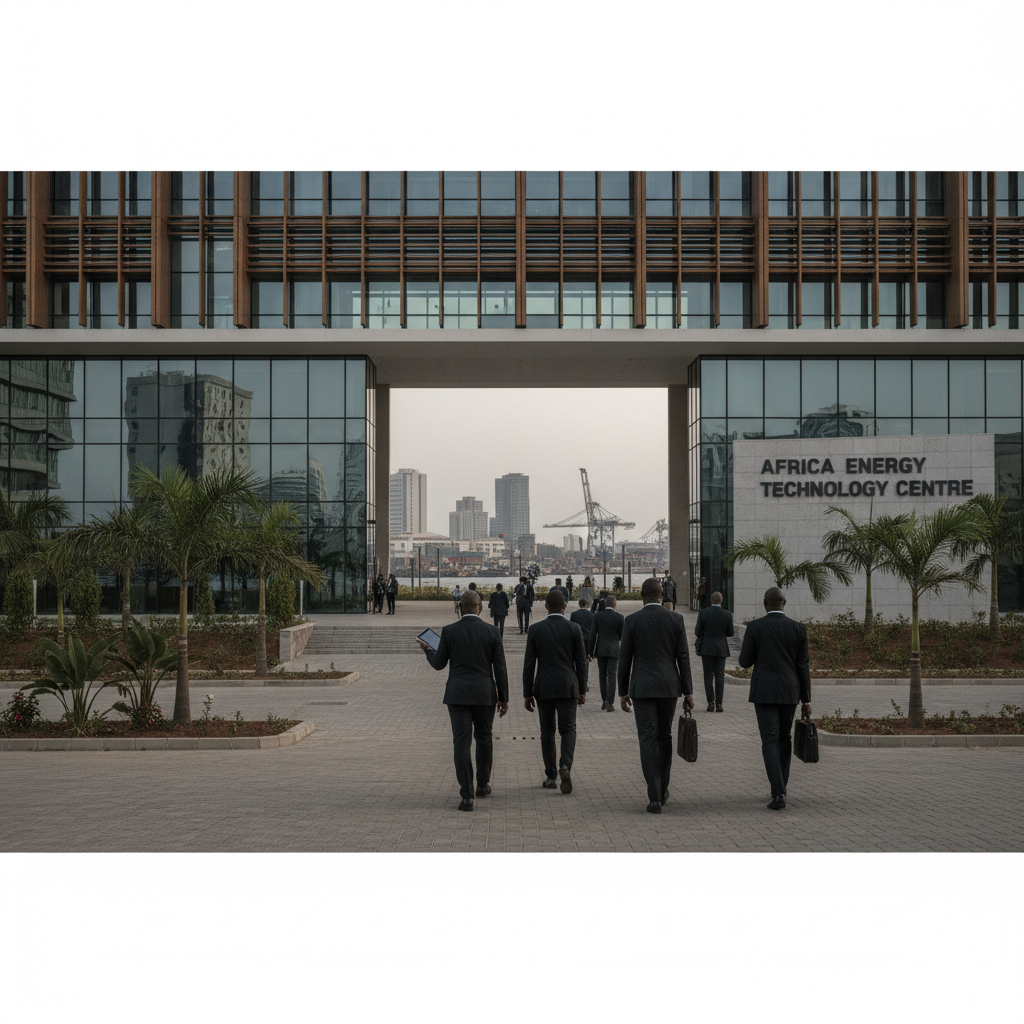
The Africa Energy Technology Centre (AETC) presented its strategic vision for Africa’s energy future to President John Dramani Mahama. This presentation occurred during a high-level courtesy call on July 6, 2026.
AETC proposes to reposition Africa from a consumer of imported energy technologies to a global producer, innovator, and exporter of sustainable energy solutions. Ms. Emelia Cedar-Palm Akumah, AETC's Founder and President, outlined this ambitious agenda. The meeting focused on advancing Africa's energy independence, innovation, and industrial transformation.
This initiative aligns with Ghana's broader economic goals of industrialization and job creation. The proposed shift towards local energy technology production can reduce reliance on foreign markets. Such a move could also boost Ghana's manufacturing sector and foster technological independence. Previous government policies have often highlighted the need for value addition and local content in key economic sectors.
Ms. Akumah stated, "The future is not something we wait for. It is an architecture we build deliberately, courageously, and sustainably." The Minister for Energy and Green Transition, Dr. John Jinapor, hosted the engagement. It brought together senior government officials and energy sector leaders.
The AETC's strategy includes several key initiatives. The Youth Energy Entrepreneurship and Incubation Programme (YEEIP) aims to empower young Africans. It provides specialized technical training, business incubation, mentorship, and access to financing. AETC projects these ventures will drive the continent’s next-generation energy revolution. The Africa Smart Energy Technology and Innovation Hub seeks to establish Africa as a leader in energy technology research and development. Furthermore, the Ghana National Solar Prosumer Initiative aims to expand decentralized renewable energy through rooftop solar deployment. This initiative includes supportive net-metering policies to enable households and businesses to generate and consume their own electricity. This reduces pressure on national grids and promotes energy security. These initiatives could significantly impact Ghana's energy landscape, potentially reducing energy costs and creating new employment opportunities in the green energy sector. Investors and policymakers will closely watch the implementation of these programs for their economic viability and impact on energy security. The push for local innovation could unlock substantial economic benefits. It may also strengthen Ghana's position in the global renewable energy market.