The Association of Ghana Industries (AGI) has reported that some businesses face electricity tariff adjustments exceeding 40%. This significant increase stems from the Electricity Company of Ghana (ECG) withdrawing previously negotiated discounted rates for bulk customers.
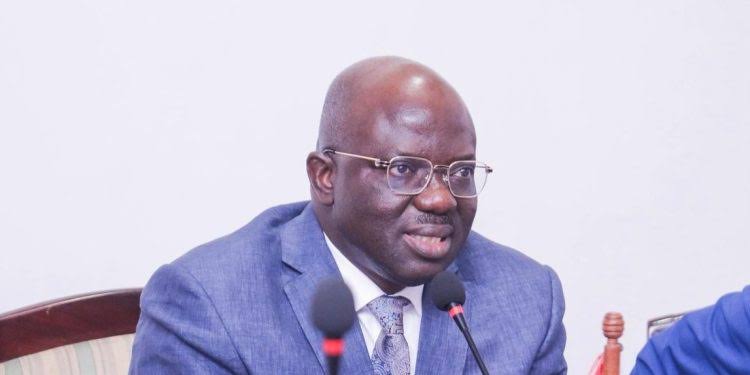
AGI President Kofi Nsiah-Poku stated these sudden hikes add immense pressure on operating costs for companies. The withdrawal of these special arrangements means affected firms now pay much higher rates, applied immediately. This development threatens business viability and could hinder economic growth.
This situation arises despite Ghana's recent macroeconomic improvements, including a stable exchange rate and declining inflation. These positive trends had previously allowed businesses to forecast input costs with greater confidence. However, the unexpected utility cost increases now challenge this improved planning certainty for the industrial sector.
Kofi Nsiah-Poku, speaking at the AGI 2nd Quarter Business Barometer presentation on August 13, 2026, highlighted the severity of the issue. He explained, “The rising cost of electricity and water is a major setback.” He further noted these increases come on top of other tariff adjustments already implemented this year.
The immediate implication is a potential slowdown in industrial expansion and job creation. Businesses, already grappling with various operational challenges, may struggle to absorb these additional costs. This could lead to reduced competitiveness, impacting both local and export markets.
Ghana’s industrial sector, represented by AGI, had previously expressed confidence in the government's economic stewardship. The AGI's 2nd Quarter 2026 Business Barometer reflected this optimism. However, the new electricity tariffs risk eroding these gains and making the economic environment more challenging.
The AGI President commended the government for moving Ghana from fiscal distress towards consolidation. He also praised the strengthening of Ghana’s foreign exchange reserves, now covering roughly five months of imports. These achievements provide a strong foundation for economic stability.
However, Kofi Nsiah-Poku cautioned that these gains could become fragile without sustained measures to support businesses. He identified rising utility costs as a key risk, alongside global factors like the Middle East conflict. Ghana's reliance on gold, cocoa, and oil exports also presents vulnerabilities.
The AGI's call for action underscores the need to convert macroeconomic stability into structural transformation. This transformation aims to support businesses and create more formal employment opportunities. A competitive industrial sector is crucial for reducing Ghana's dependence on a few primary commodities.
The AGI has pledged to collaborate with the Ministry of Finance and the Bank of Ghana. Their goal is to ensure that the positive outcomes from the 2026 Mid-Year Budget Review translate into a supportive operating environment. This environment should enable Ghanaian businesses to invest, compete, and grow confidently.
This tariff adjustment could force businesses to pass on costs to consumers, fueling inflation, or reduce production. Policy makers must address these concerns to safeguard the industrial sector's health. The government's response will be critical in maintaining business confidence and ensuring sustained economic progress.