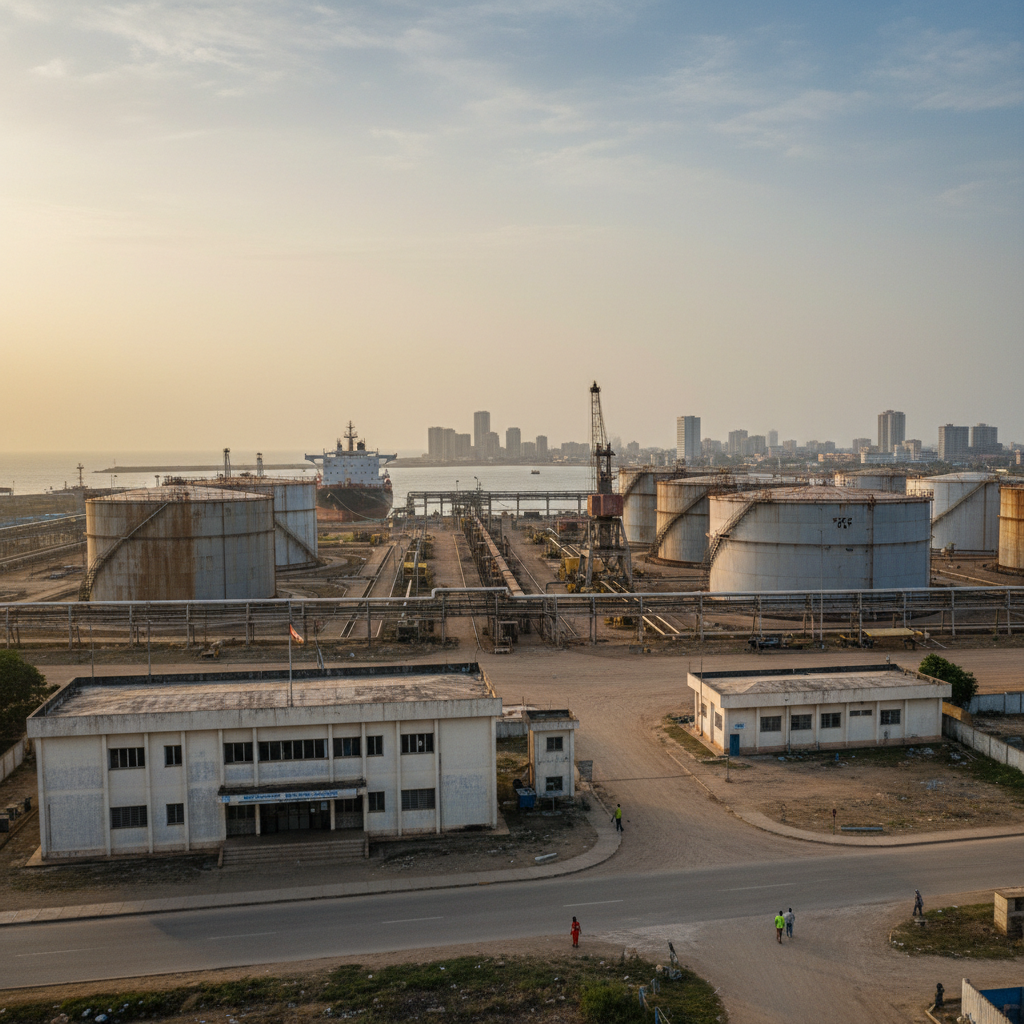
Ghana's Chamber of Oil Marketing Companies (COMAC) advocates for the government to maintain consistent petroleum tax policies. Dr. Riverson Oppong, CEO of COMAC, emphasized that policy stability is more vital for the industry than the outright removal of current petroleum taxes. This stance underscores the need for a predictable economic environment for businesses.
This push for stability stems from the unpredictable nature of fuel pricing and its impact on both businesses and consumers. Fluctuating tax policies can lead to volatile pump prices, affecting transport costs, inflation, and household budgets. A stable tax regime allows companies to plan better and provides consumers with more predictable fuel expenditures.
The call for tax stability aligns with broader economic concerns in Ghana, where fuel prices significantly influence inflation and the cost of living. Data from the Ghana Statistical Service frequently highlights transportation costs as a major contributor to consumer price index fluctuations. Previous policy changes, such as the energy sector levies, have often led to public discourse and consumer discontent regarding fuel price hikes. Ensuring policy consistency in such a critical sector can help anchor inflation expectations and promote economic predictability.
Dr. Riverson Oppong, Chief Executive Officer of the Chamber of Oil Marketing Companies, clearly articulated the industry's position. He stated, “The industry’s priority is policy stability rather than the removal of existing petroleum taxes.” This statement reflects a preference for a steady, albeit taxed, operational landscape over intermittent tax adjustments or removals that could introduce uncertainty.
Going forward, policymakers will need to balance revenue generation needs with the industry's demand for stability. Any government response to COMAC's appeal will be closely watched by fuel importers, distributors, ordinary citizens, and financial markets. Sustained policy consistency in the petroleum sector could lead to more predictable energy costs, potentially easing inflationary pressures and fostering greater investor confidence in Ghana's downstream oil sector.
Markets will react to any signals confirming the government's commitment to a stable tax environment for petroleum products. This could influence investment decisions in the energy sector and impact consumer spending patterns. Long-term stability might also encourage greater efficiency within oil marketing companies, benefiting the wider economy through more reliable supply chains and potentially lower operational costs.
Further, COMAC's position suggests an understanding of the government's need for revenue. Rather than requesting a direct loss of income through tax removal, they are requesting consistency in how those revenues are collected. This nuanced approach aims to support both national coffers and industry viability. The government’s forthcoming budget or fiscal policy statements will need to address these calls, seeking a balance that supports both economic growth and fiscal stability.