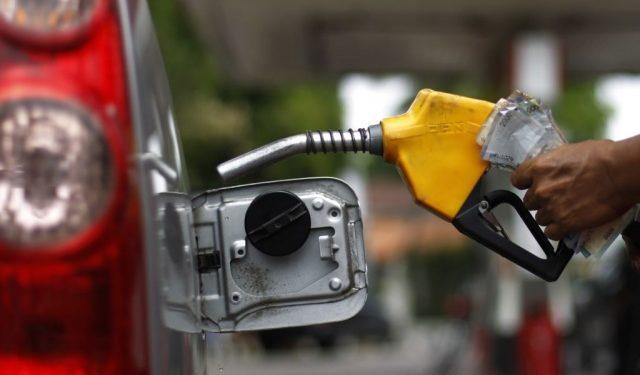
Fuel prices in Ghana are set to increase from today, September 1, as higher international crude oil and refined petroleum product prices overcome recent gains by the Ghana cedi. This development will place renewed pressure on household transport costs and business operating expenses across the country.
The Chamber of Oil Marketing Companies (COMAC) projects petrol prices to rise by as much as 4.80%. A litre of petrol is now expected to sell around GHS 16.39. Diesel prices are also projected to increase by 2.10%, reaching approximately GHS 17.60 per litre during the September 1–16 pricing window. However, liquefied petroleum gas (LPG) is expected to decline by about 0.93% to approximately GHS 13.73 per kilogramme, according to COMAC’s outlook.
This increase highlights Ghana's ongoing vulnerability to global energy market fluctuations. It shows that even a stronger cedi cannot fully protect consumers when international crude oil prices climb significantly. The cedi appreciated by 3.64% against the US dollar, reaching GHS 11.3697 to US$1, based on average bank rates between August 12 and August 27. This appreciation was the currency’s strongest performance since June, reversing three consecutive pricing windows of depreciation. Despite this, international crude oil prices increased by 1.75% to US$92.11 per barrel, while international petrol prices rose by 8.86% and diesel by 5.51% during the reference period.
COMAC's projections underscore the challenge of balancing domestic economic stability with global market realities. The organization's data provides a clear picture of the forces at play in Ghana's petroleum sector. Their analysis indicates that the global price increases were strong enough to negate the positive impact of the cedi's appreciation. This means consumers will not see lower pump prices, but rather a smaller increase than would have occurred without the currency's strength.
These higher fuel prices carry significant implications for Ghana’s broader economy. Fuel costs quickly affect various sectors, impacting the price of goods and services. Petrol directly influences household mobility and commercial transport. Diesel is crucial for freight operators, logistics companies, construction firms, and industrial operations. Increased pump prices will therefore raise transportation and distribution costs, potentially leading to secondary inflation on food, manufactured products, and other essential goods. This situation demands careful monitoring by economic policymakers and the Bank of Ghana.
The government has taken steps to soften the impact, particularly for diesel consumers. A government source, as cited by Joy Business, confirmed an extension of a GHS 2.00 per litre reduction in the regulatory margin on diesel. This intervention was initially temporary, covering two pricing windows, and was expected to end in August. Its extension signals policymakers' continued concern about the economic consequences of allowing the full international price increase to pass through to diesel users. Without this measure, diesel prices would have been even higher than COMAC’s projected GHS 17.60 per litre.
Ghana’s downstream petroleum pricing framework aims to reflect international prices and exchange rate movements. This 'pass-through' mechanism reduces the need for broad fuel subsidies, which can be a fiscal burden. It also makes pricing more aligned with market conditions. However, sharp increases in international prices can import external inflation into the domestic economy, especially through transport and logistics costs. The government must therefore find a balance between market-based pricing and concerns over inflation and household purchasing power.
The National Petroleum Authority (NPA) has also revised the minimum prices for petroleum products for the September 1–16 window. The price floor for petrol is now GHS 14.53 per litre, while diesel is set at GHS 15.60. Oil marketing companies are not permitted to sell below these levels. The diesel floor increased by approximately 2.69% from GHS 15.19, and the petrol benchmark rose by about 4.38%. The LPG floor, however, declined from GHS 10.98 to GHS 10.85 per kilogramme. With over 200 oil marketing companies operating in Ghana, actual pump prices will vary as retailers compete on margins and market share. Some operators are expected to adjust prices from 6 am on September 1, while others may delay their adjustments.