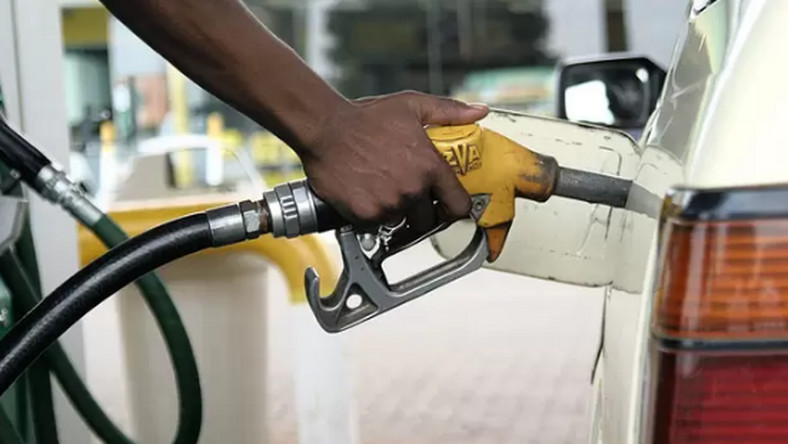
Petrol, diesel, and liquefied petroleum gas (LPG) prices have fallen at the pumps across Ghana from today, July 1. This significant reduction follows new price floors set by the National Petroleum Authority (NPA) to reflect a decline in global crude oil prices.
The price of petrol has decreased by 4.50%, bringing its floor price to GHS 12.79 per litre. Diesel has seen a 10.40% reduction, now costing GHS 13.54 per litre. LPG recorded the largest drop, falling by 23.60% from GHS 13.23 to GHS 10.11 per kilogramme.
These adjustments provide much-needed relief to motorists, commercial transport operators, households, and businesses. They have faced sustained pressure from high fuel and energy costs for several months. The reductions align with a broader easing of international crude oil prices, which now hover around US$70.00 per barrel. This downward trend is due to reduced geopolitical risks, particularly in the Middle East.
According to the NPA, the decrease in global crude prices has lowered costs for refined petroleum products. This creates room for price reductions in Ghana’s deregulated downstream petroleum market. Oil marketing companies (OMCs) are expected to quickly pass on these savings during the first pricing window of July.
The petrol price cut will ease financial burdens on private motorists and commercial drivers. The sharper fall in diesel prices could have a wider economic impact. Diesel is a vital input for haulage, logistics, agriculture, construction, manufacturing, and mining support services. A meaningful reduction will lower operating costs for diverse businesses dependent on transport and energy-intensive activities. The substantial fall in LPG prices, a key cooking fuel for many urban families, could significantly ease household energy costs. This supports Ghana’s clean cooking agenda by making gas more affordable compared to charcoal and firewood.
Despite the set price floors, actual retail prices may vary across different outlets. The price floor represents the minimum allowable benchmark for the pricing window. Consumer prices will depend on individual OMCs' decisions, local competition, existing stock levels, distribution costs, and profit margins. Consumers might observe different pump prices across stations, though the overall price direction is downward.
These lower fuel prices carry broader implications for inflation management. Fuel costs directly affect transport fares and indirectly influence food prices and general business expenses. If transporters and traders pass on parts of these savings, the economy could see moderated inflationary pressures in the short term. However, the speed of this pass-through remains critical, as price increases often transmit faster than decreases in Ghana.
For businesses, improved margins, reduced delivery costs, and eased working capital pressures are possible benefits. Small businesses relying on generators or delivery services will particularly gain from the combined price decreases. This positive development supports Ghana's ongoing efforts to maintain macroeconomic stability and protect consumer purchasing power. Sustained lower fuel costs could reinforce recent gains in inflation control, provided global oil prices remain stable. Further, the Cedi must avoid renewed depreciation against the US dollar.