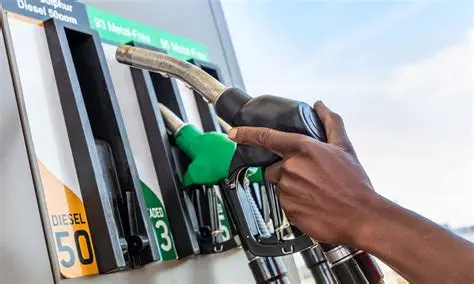
Ghanaian consumers will see a reduction in petroleum product prices at the pumps from July 16, 2026. This projection comes from Dr. Riverson Oppong, Chief Executive of the Chamber of Oil Marketing Companies (COMAC).
This anticipated price drop is based on global market developments and future market trends. The stability of the Ghana cedi over the past month also supports this positive forecast. Lower crude oil prices internationally and reduced costs for refined petroleum products are key drivers.
These expected reductions follow a period where the National Petroleum Authority (NPA) significantly adjusted fuel price floors. For instance, the price floor for petrol decreased from GHS 15.20 per litre to GHS 13.39 per litre from June 16. Diesel's price floor also dropped from GHS 15.49 to GHS 15.11 per litre. These regulatory actions ensure that no oil marketing company sells below the set rates.
Dr. Riverson Oppong stated, "Even if things should get out of hand, we may keep prices unchanged for the second pricing window of this month." He also added, "Another development that has helped with this projection is that the cedi has been fair over the past one month, and this could see prices go down by some significant margin." Oppong dismissed claims that oil marketing companies delay price reductions when market conditions allow.
These lower fuel prices will likely reduce transportation costs for businesses and individuals. This could ease inflationary pressures, benefiting the wider Ghanaian economy. Businesses will watch for continued cedi stability and sustained international oil price declines to maintain these lower costs. Fuel price movements directly impact the cost of living and production, making this development significant for economic stability.
Ghana's economy grew by 6.4% in the first quarter of 2026. Gold production also increased by 23.41% in 2025. Fuel prices also saw a slight drop at the start of May. The Ghana Stock Exchange market capitalization surpassed GHS 266 billion recently. These economic indicators show a dynamic and evolving financial landscape. Lower fuel costs can further support this growth trajectory.
COMAC has previously cited factors like weaker Chinese imports and record high US oil exports for declining crude prices. Releases from strategic petroleum reserves by International Energy Agency (IEA) members also contribute. These global supply dynamics play a crucial role in Ghana's domestic fuel pricing. The continuous monitoring of these international factors remains vital for future price predictions.
The government's previous interventions to cushion consumers from rising crude oil prices have ended. This makes market-driven price reductions even more critical. The ongoing review of the price floor in the sector, which Dr. Oppong supports, aims to ensure industry fairness. This regulatory framework is essential for maintaining transparent and equitable pricing for both consumers and oil marketing companies. Future decisions on the price floor will continue to influence market dynamics.