The Association of Ghana Industries (AGI) has questioned the timing of the latest electricity tariff increase. This adjustment comes despite improving economic conditions and falling global fuel prices.
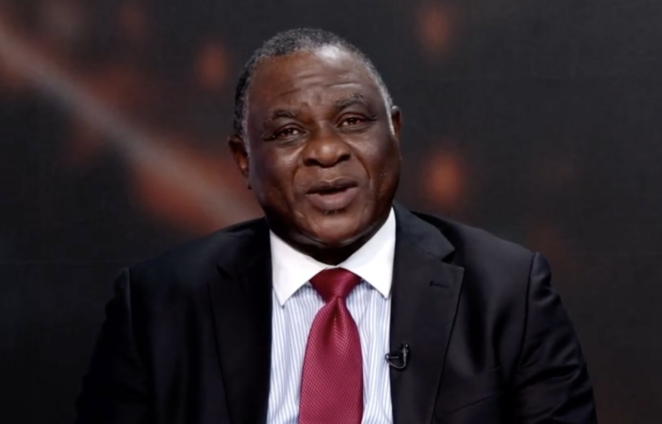
Eric Defoe, Chairman of AGI’s Economic Affairs Committee, stated that the actual impact of the tariff increase could be significantly higher than the announced figure. He warned that manufacturers might experience cost increases of 5% to 10%, not just the 3% headline number. Mr. Defoe highlighted that electricity is only one element in production costs. Increases in utility tariffs often create additional cost pressures across other parts of the manufacturing process.
This concern arises as Ghana's economy shows signs of stability, including falling inflation and a stable exchange rate for the cedi. The Bank of Ghana's efforts to curb inflation have deepened financial losses for some institutions, yet overall economic indicators are improving. The AGI's questioning of the tariff hike underscores the delicate balance between utility cost recovery and industrial competitiveness. Ghana recorded a significant trade surplus of GHS 4.2 billion for the fourth quarter of 2025, indicating some economic resilience.
Mr. Defoe argued that regulators should have waited to implement the tariff review. He pointed out that fuel costs, a key factor in electricity pricing, are now decreasing. “Petroleum prices went up, but they’re coming down now because the US-Iran war has ended,” he noted. He maintained that quarterly tariff reviews do not automatically require price increases. Regulators should instead assess the broader market conditions. He also questioned the need for higher costs on consumers after previous fuel levies were introduced to support the power sector. These levies aim to make funds available for generation and legacy debts.
The immediate implication of this tariff hike is increased operational costs for Ghanaian businesses. Manufacturers will likely pass these costs onto consumers, potentially dampening the positive effects of falling inflation. Decision-makers must consider the impact on industrial output and consumer prices. Market analysts will watch for any shifts in producer price inflation following this adjustment. The government’s commitment to supporting local industries will be under scrutiny. Further, the stability of the cedi and its impact on import costs for manufacturers remains a key area to monitor.
Ghana’s average lending rate fell sharply to 16.33% in April 2026, which should ease some financial burden on businesses. However, non-performing loans and sovereign exposures remain high. According to the IMF, this persists despite the banking sector’s gradual recovery. Fitch Solutions projects Ghana’s growth rate will moderate to 4.7% in 2027. These broader economic trends provide context for the AGI’s concerns. The tariff increase adds another layer of complexity for businesses operating in a recovering but still vulnerable economic environment.