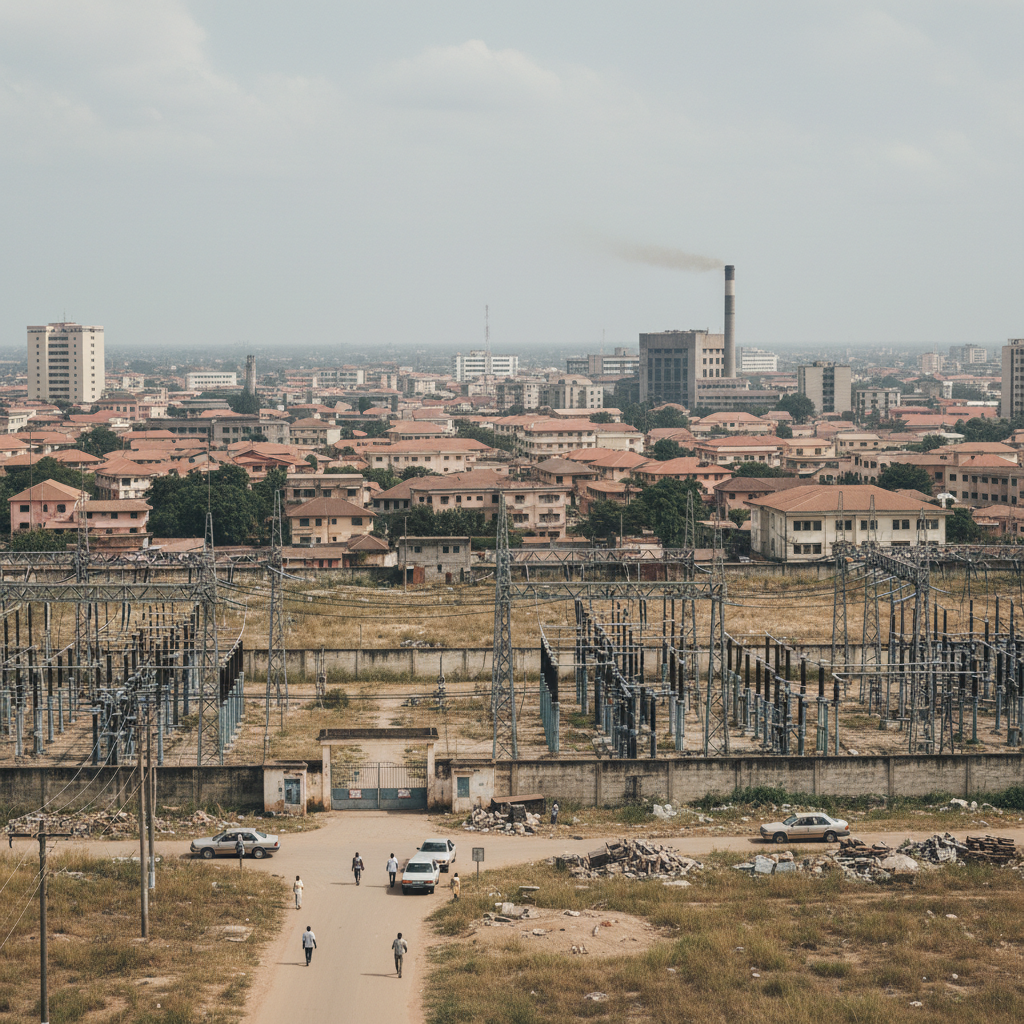
Ghana's Energy Minister, Dr. John Abdulai Jinapor, has confirmed significant weaknesses in the nation's electricity transmission network. He stated that urgent and targeted investment is essential to strengthen the grid and improve power supply reliability. This admission underscores long-standing concerns about the stability of Ghana's power infrastructure.
Dr. Jinapor explained that the energy sector requires substantial investment, but these funds must target critical infrastructure gaps. He specifically identified the transmission lines connecting Kumasi and Accra as needing immediate attention. These lines are vital for moving power across major economic centers and different parts of the national grid.
This situation fits into Ghana's broader economic narrative of infrastructure deficits and the challenges of financing large-scale projects. The country has faced persistent issues with power reliability, often leading to economic disruptions. Previous data has shown that unstable power supply can deter foreign investment and increase operational costs for businesses. Addressing these grid weaknesses is crucial for sustained economic growth and stability.
“The grid is not the strongest,” Dr. Jinapor stated on Saturday, August 22, acknowledging existing vulnerabilities. He further explained that restrictions from Ghana's International Monetary Fund (IMF) programme previously limited financing for state-owned energy enterprises. Institutions like the Ghana Grid Company Limited (GRIDCo) and the Volta River Authority (VRA) faced caps on their ability to secure funds for major infrastructure investments.
The easing of these IMF-related constraints is expected to create more room for investment in the energy sector. The government hopes to secure necessary support to invest more heavily in the national grid. This includes upgrading the Kumasi-Accra transmission corridor, which will enhance transmission capacity and provide greater resilience against faults. The Akosombo control station is also expected to return to service next month, allowing direct power evacuation from the Akosombo facility into the network. These steps are critical for preventing widespread power disruptions and supporting industrial growth. Businesses and households will closely monitor these developments for improvements in electricity supply.
The Minister's comments suggest a strategic shift towards proactive infrastructure development. This focus aims to prevent individual faults from escalating into wider system disruptions. Such investments are vital for Ghana's industrialization agenda and for attracting new businesses. A reliable power supply is a fundamental requirement for any modern economy. The government's commitment to these upgrades signals a recognition of the grid's importance. Future economic reports will likely track the impact of these investments on energy reliability and overall productivity. The stability of the power grid directly influences investor confidence and the cost of doing business in Ghana. Therefore, these planned investments are not just about electricity, but about the nation's economic future.