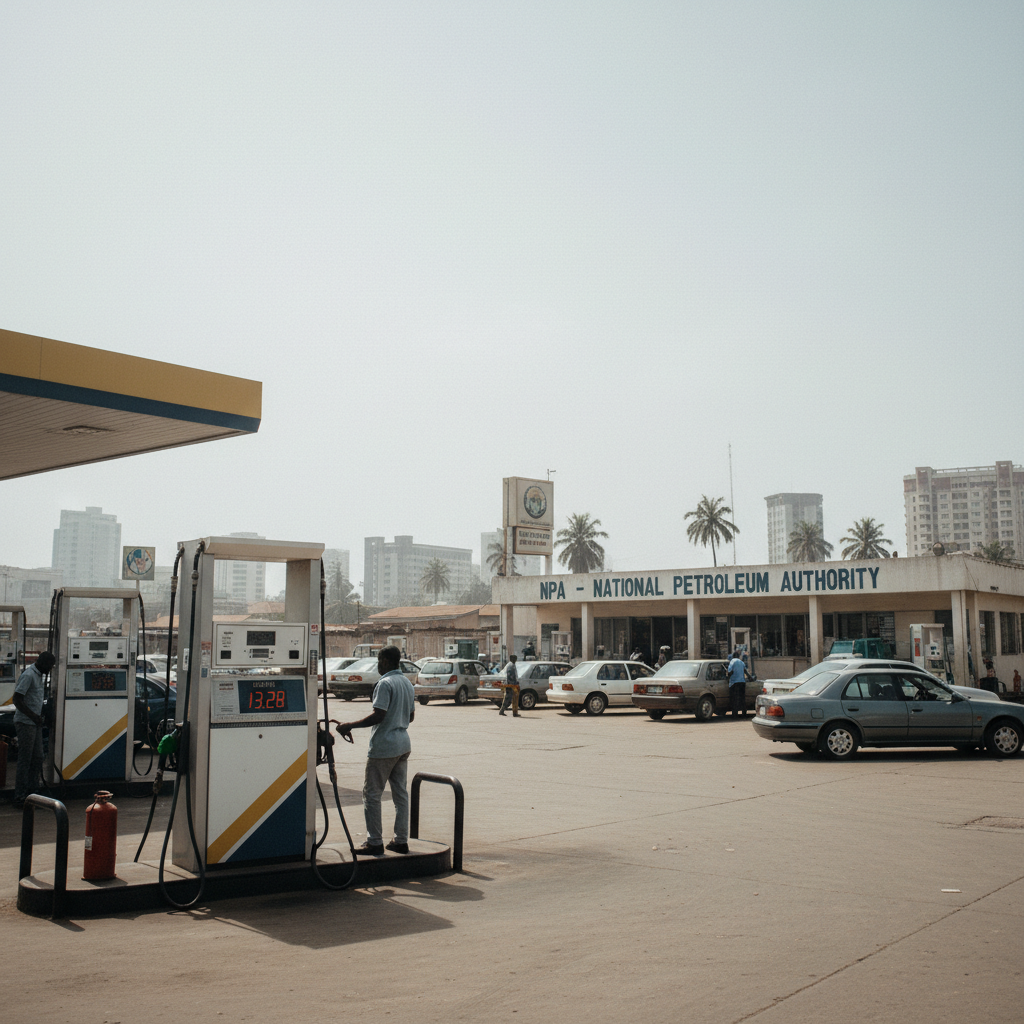
Ghana's National Petroleum Authority (NPA) has increased the minimum pump prices for petrol and diesel, effective July 16, 2026. Petrol will now sell for at least GHS 13.28 per litre, up from GHS 12.79 per litre previously. Diesel prices have also risen from GHS 13.54 to GHS 14.35 per litre.
This adjustment means all Oil Marketing Companies (OMCs) cannot sell fuel below these new thresholds. The change will lead to higher fuel prices for consumers across Ghana starting from Thursday, July 16, 2026. This increase directly affects household budgets and transportation costs for businesses.
The NPA introduced its price floor policy in April 2024 to curb price distortions and stabilize the petroleum sector. This policy mandates that OMCs and LPG Marketing Companies (LPGMCs) adhere strictly to minimum prices. The Authority stated the policy enhances transparency, sustainability, and fairness in the fuel market.
A notice sent to industry players confirmed the new price floors. The NPA believes this policy creates a more predictable pricing structure, benefiting both consumers and businesses. However, some industry players dispute this, arguing the price floor prevents consumers from accessing potentially lower market prices.
This expected price review comes after the Chamber of Petroleum Consumers (COPEC) had predicted a decline in fuel prices. COPEC based its projection on the Ghana cedi's relative stability and minor changes in international crude oil prices. This increase suggests internal market dynamics or regulatory directives have superseded international crude price trends.
The NPA maintains its policy aligns with Petroleum Pricing Guidelines. The Authority also noted the decision followed recommendations from various industry stakeholders. Yet, concerns persist that this regulatory measure limits competitive pricing among fuel retailers.
Ghana's economy is highly sensitive to fuel price fluctuations due to its reliance on road transport. Higher fuel prices can fuel inflation, impact production costs, and reduce discretionary consumer spending. This could put pressure on the Ghana Statistical Service's Consumer Price Index figures in the coming months.
Businesses, particularly those in logistics and manufacturing, should prepare for increased operational costs. Commuters will also face higher transport fares. The government's fiscal position may also be affected if fuel subsidies become necessary to cushion consumers.
Analysts will monitor how these new fuel prices affect inflation rates and consumer confidence. Decision-makers in the Bank of Ghana will also consider this factor in monetary policy reviews. The long-term impact on market stability, as intended by the NPA, remains a key area to observe.