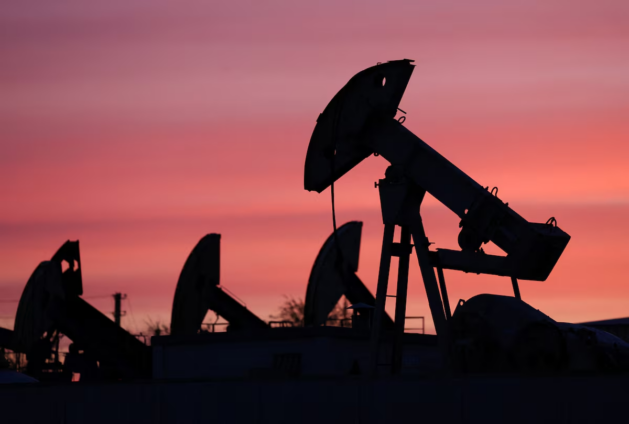
Oil prices steadied on Tuesday, following a more than 2% decline in the previous session. Investors are now carefully assessing the potential impact of expanded US secondary sanctions against Iran. Brent crude futures were down 9 cents, or 0.1%, trading at $92.16 a barrel by 0104 GMT. US West Texas Intermediate crude, however, saw a slight increase of 1 cent, reaching $85.02 a barrel.
The stabilization comes after both major crude contracts fell sharply on Monday. This decline was partly due to profit-taking after prices had rallied over the preceding two weeks. US Treasury Secretary Scott Bessent announced the expansion of sanctions on Monday. These measures aim to cut off Iran’s economic lifeline. Bessent warned countries to sever business ties with Iran or risk being excluded from the dollar-based financial system. He did not specify which countries would be targeted or when penalties would begin, allowing time for compliance.
This development fits into Ghana's broader economic narrative, particularly concerning its energy security and inflation. Ghana is a net importer of crude oil, meaning it buys more oil than it produces. Fluctuations in global oil prices directly affect the cost of fuel at the pump for Ghanaian consumers. Higher crude prices can also increase the cost of doing business, potentially leading to higher inflation. The Bank of Ghana has previously noted that Middle East tensions delayed Ghana’s path to single-digit interest rates. Ghana maintains over five weeks of fuel in reserve, according to the National Petroleum Authority, to mitigate immediate shocks.
Tim Waterer, chief market analyst at KCM, commented on the market reaction. He stated, “Markets appear to be pricing economic pressure as a lower-risk path for physical supply than kinetic action.” This explains why oil prices initially moved lower rather than spiking higher. However, Waterer also cautioned that “Iran still retains the ability to respond by disrupting shipping, which continues to keep a residual premium in the oil price.” This highlights the ongoing risk to global oil supply routes.
The implications for Ghana are significant, as global oil price stability is crucial for its economic planning. The government and the Bank of Ghana will closely monitor these developments. Any sustained increase in crude prices could strain the national budget and impact the cedi's stability. Businesses and consumers should prepare for potential adjustments in fuel prices. The ongoing geopolitical tensions underscore the need for Ghana to diversify its energy sources and strengthen its economic resilience against external shocks. The situation also emphasizes the importance of strategic petroleum reserves to cushion against price volatility.
Further, the expanded sanctions could affect global trade routes and shipping costs. This might indirectly impact the cost of imported goods into Ghana. The Strait of Hormuz, which typically carries about 20% of global oil trade, remains a critical choke point. An oil tanker was struck by an unidentified projectile near Oman on Tuesday, highlighting these threats. Iran has also named 45 tankers it claims broke its rules for crossing the strait, threatening action against them. These actions maintain a level of uncertainty in the global oil market, which Ghana cannot ignore.