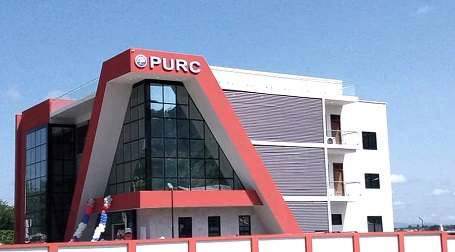
Ghana's Public Utilities Regulatory Commission (PURC) has defended the latest electricity tariff increases. The regulator insists that a consistent power supply requires shared costs among consumers, businesses, and utility providers. Reliable electricity is not free; it demands financial input from all stakeholders.
The PURC's Executive Secretary highlighted the substantial operational costs. Ghana pays approximately US$70 million monthly for gas from the ENI Sankofa project. An additional US$20 million goes towards gas imports via the West African Gas Pipeline and purchases from N-Gas. This totals GHS 1.05 billion each month dedicated to gas supply alone.
These significant fuel costs are crucial for Ghana's electricity generation. They prevent power instability, which can severely damage businesses. The PURC indicates that these expenditures are structural and unavoidable if the nation wants to maintain uninterrupted power, especially during peak demand periods. This fits into Ghana's ongoing challenge of balancing energy affordability with supply reliability.
The PURC Executive Secretary stated that the Commission works to balance consumer protection with the financial health of utility providers. "Our responsibility is to strike the right balance between protecting consumers and ensuring that utility providers have the financial capacity to deliver reliable electricity," he said. He added that improved revenue collection by the Electricity Company of Ghana (ECG) shows progress. ECG's monthly collections rose from GHS 800 million to between GHS 1.8 billion and GHS 2.0 billion.
The increased tariffs, effective from July 1, will likely lead to higher operating costs for businesses. Manufacturers worry about reduced competitiveness and further pressure on their already tight budgets. Despite these concerns, the PURC argues that reliable power is more critical than cheap power. Power instability disrupts production, damages equipment, and forces businesses to use expensive backup generators. This severely impacts export timelines and overall business competitiveness.
Without these tariff adjustments, the power sector risks accumulating arrears. Such arrears can disrupt fuel purchases, payments to independent power producers, and maintenance schedules. This would ultimately lead to unreliable electricity supply and potential power outages. The PURC's stance implies a commitment to preventing a return to severe power instability, commonly known as 'dumsor'.
Nevertheless, commercial losses, including unpaid bills and illegal connections, remain a significant challenge. These losses reduce available revenue, placing additional pressure on tariffs or government support. Addressing these inefficiencies is critical to ensure that compliant consumers do not bear the full burden of system weaknesses. The government will continue to face pressure to balance consumer welfare with the financial sustainability of the energy sector.