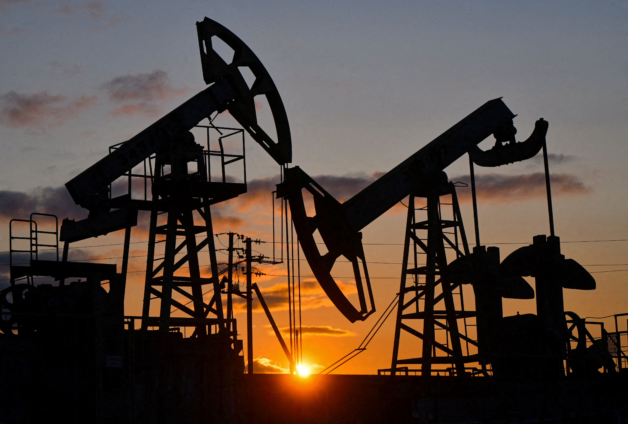
Renewed hostilities between the United States and Iran are causing global crude oil prices to climb again, erasing recent wartime declines. This geopolitical shift directly impacts the price of fuel that Ghanaians pay at the pump. The unexpected rise in crude prices follows a period where fears of oversupply had pulled prices down.
This price hike is driven by more than just crude oil costs; the challenge lies in processing crude into usable fuels. Refining margins, which are the profits refineries make from turning crude oil into products like petrol and diesel, reached four-year highs in early July. This unusual situation shows a tight market for refined products even as crude oil supplies appear sufficient.
This trend fits into Ghana's broader economic narrative of navigating global commodity price fluctuations. Ghana, like many developing nations, is a net importer of refined petroleum products. Increased international prices directly translate to higher import bills and domestic fuel costs. This can fuel inflation and put pressure on household budgets and business operating costs across sectors.
According to a report from the International Energy Agency (IEA), the disconnect between well-supplied crude oil markets and tight product markets drove the rally in refining margins. The IEA noted that Middle Eastern refineries operate significantly below normal capacity due to disruptions from the Iran conflict. Exports of refined products from the Gulf region are less than half of pre-war levels, creating a bottleneck.
The current situation has significant implications for Ghana's economy. Higher fuel prices can increase production costs for businesses, potentially leading to higher prices for goods and services. This could further strain the Bank of Ghana's efforts to control inflation and maintain economic stability. Consumers will face increased transport costs, affecting their disposable income.
The IEA expects this imbalance to eventually ease as more refineries restart operations and supply chains normalise. This forecast, however, depends heavily on the continued recovery of tanker traffic through the Strait of Hormuz. Any further escalation in US-Iran tensions could disrupt this recovery, keeping fuel prices elevated for longer. Decision-makers and market watchers in Ghana will closely monitor these geopolitical developments.