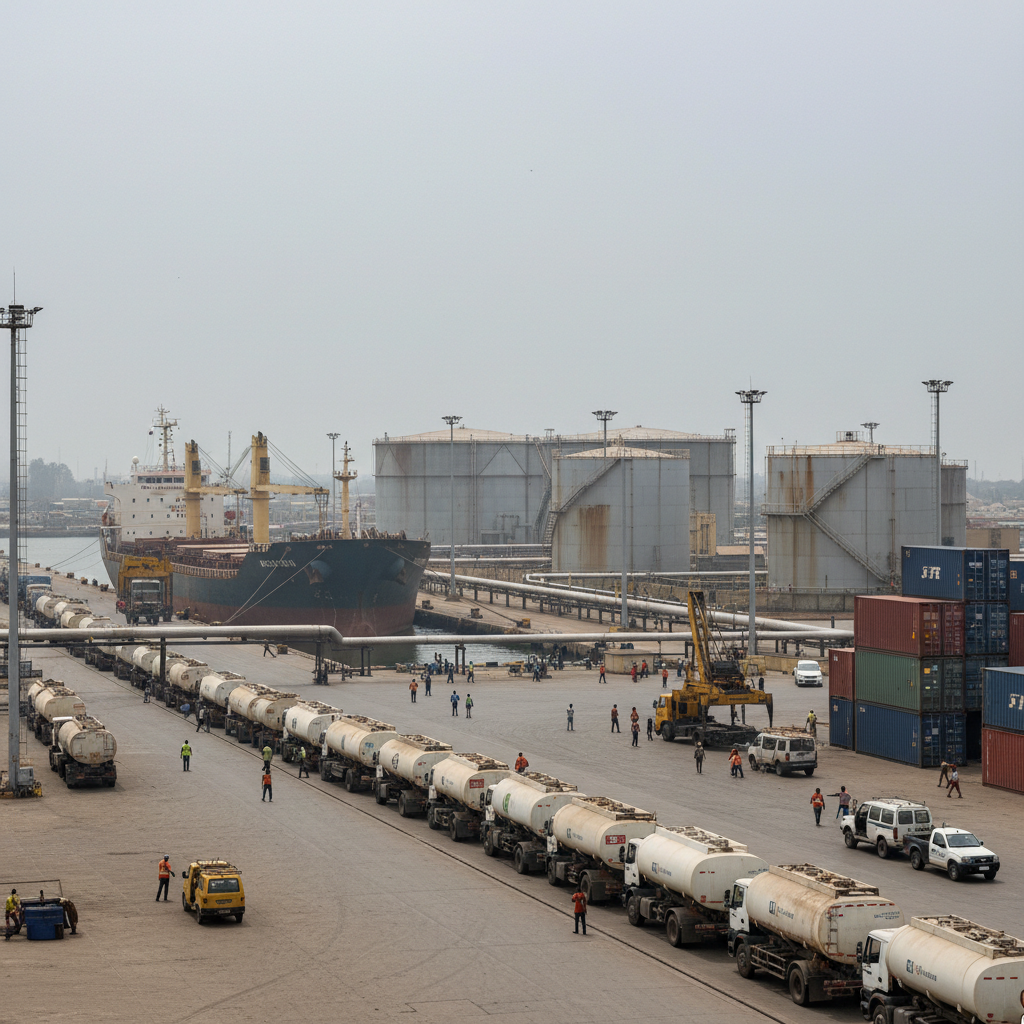
Russia is grappling with widespread petrol shortages, leading to extensive queues at fuel stations across its major cities. This critical situation stems directly from persistent Ukrainian drone attacks targeting Russian oil refineries and distribution facilities. The disruptions have forced Russia, a major global energy exporter, to begin importing petrol to meet domestic demand.
The impact is visible in Moscow, where residents like Svyatoslav have endured two-hour queues only to find stations out of fuel. Another resident, Elizaveta, reported waiting from 11 PM until midnight for petrol, only for the station to close temporarily. These daily struggles are a direct consequence of the damaged refining capacity and logistical challenges caused by the drone strikes, which have intensified since earlier this summer.
This fuel crisis represents a significant economic challenge for Russia, a nation historically recognized as an energy superpower. The necessity to import petrol underscores the severity of the supply chain disruptions. Furthermore, the Russian government has authorized the temporary sale of lower-grade Euro 2 petrol, banned since 2013, to alleviate shortages. This older fuel contains up to 50 times more sulphur than modern Euro 5, posing potential risks to modern car engines with prolonged use.
Russian officials have attributed the shortages to "unscheduled repairs at oil refineries." However, these repairs are a direct result of the ongoing Ukrainian drone attacks. President Vladimir Putin acknowledged that attacks on industrial facilities "do inflict damage," but he publicly downplayed their critical consequences. This official narrative contrasts sharply with the daily experiences of citizens facing fuel scarcity and rising anxiety.
The immediate implication is continued disruption to daily life and economic activity across Russia. Businesses reliant on transport face increased costs and delays, while ordinary citizens spend valuable time searching for fuel. The reliance on imported fuel and lower-grade petrol could strain national finances and infrastructure. Experts suggest that public anxiety is growing, indicating a disconnect between official reassurances and the reality on the ground. The situation will likely continue to test the Kremlin's ability to manage domestic economic stability while prosecuting the conflict.
The targeting of Russian energy infrastructure by Ukraine has escalated since the full-scale invasion in 2022. Before this, such attacks on facilities within Russia were uncommon. These strikes are part of a broader strategy to disrupt Russia's war effort and its economy. The current fuel crisis is not an isolated incident; Ukrainian strikes have also impacted other sectors, such as logistics, affecting companies like Wildberries, Russia's equivalent of Amazon.
The reintroduction of Euro 2 petrol, despite its environmental and mechanical drawbacks, highlights the urgency of the supply issue. Government newspaper Rossiyskaya Gazeta warned that regular use of Euro 2 could damage modern car components like fuel injectors and catalytic converters. This decision prioritizes immediate availability over long-term vehicle health and environmental standards, reflecting the depth of the crisis.
Andrei Kolesnikov, a columnist for Novaya Gazeta, noted a growing public anxiety within Russia. He observed a disconnect between people's feelings and President Putin's description of reality. This sentiment suggests that the Kremlin's message of stability is not resonating with a population experiencing tangible economic hardships. The ongoing fuel shortages serve as a stark reminder of the war's increasing domestic impact.
The situation demands close monitoring as it could influence public opinion and resource allocation within Russia. The Kremlin faces the challenge of maintaining domestic stability while its critical infrastructure remains vulnerable. The economic pressure from these shortages, combined with other sanctions, will continue to shape Russia's capacity to sustain its military operations and its broader economy.