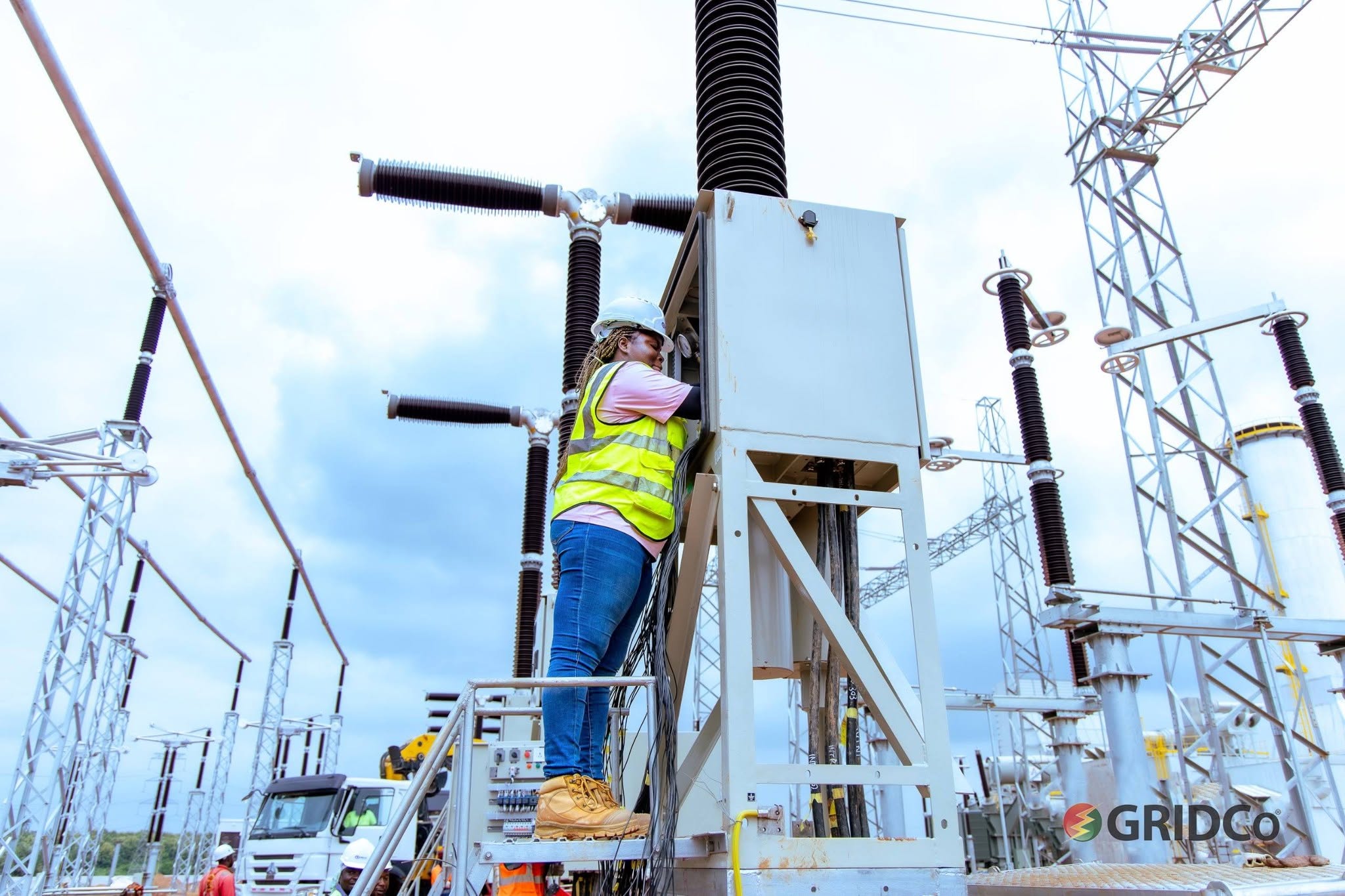
Ghana's electricity generation in July 2026 relied heavily on thermal power, which supplied 74.33% of the nation's total output. This significant dependence on thermal plants highlights ongoing challenges in Ghana's energy mix, as reported by the Public Utilities Regulatory Commission (PURC).
The PURC expressed strong concerns about Ghana's continued reliance on thermal power and expensive liquid fuels. This situation exposes the energy sector to global fuel price volatility and foreign exchange pressures. The country generated 2,317.13 gigawatt-hours (GWh) of electricity in July, a 3.99% decrease from June due to lower seasonal demand. However, this figure represented a 6.20% increase compared to July 2025, indicating overall growth in power production.
This heavy reliance on thermal power fits into Ghana's broader economic narrative of managing energy costs and securing stable power supply. The nation has faced intermittent power challenges, locally known as 'dumsor,' in previous years. Ensuring a consistent and affordable power supply is crucial for industrial growth and household stability. The PURC's data shows that while thermal power provided 1,722.33 GWh, hydropower contributed 25.01% (579.45 GWh). Solar power, though a small fraction at 0.66% (15.35 GWh), saw a substantial 96.26% surge year-on-year, indicating a positive trend in renewable energy adoption.
The Public Utilities Regulatory Commission (PURC) explicitly warned against the continued dependence on thermal generation and liquid fuels. A PURC statement emphasized that this reliance could expose Ghana's power sector to international fuel price increases. It also creates significant foreign exchange pressures, impacting the national currency and overall economic stability. The regulator advocates for strategic shifts in energy policy to mitigate these risks.
Looking ahead, decision-makers and markets will closely watch Ghana's efforts to diversify its energy sources. The PURC is calling for faster investment in renewable energy projects. They also seek improved access to natural gas to reduce generation costs. These measures are vital for strengthening the long-term stability of the electricity supply system and reducing Ghana's vulnerability to external shocks. The government's commitment to these recommendations will shape the future of Ghana's power sector and its economic resilience.
Despite the concerns, Ghana maintained a robust supply position in July. Peak electricity demand fell to 3,980 megawatts (MW). With a dependable generation capacity of 4,968 MW, the country recorded a capacity surplus of 988 MW. This pushed the reserve margin to 24.82%, comfortably exceeding the national benchmark of 18%. This surplus allowed Ghana to remain a net exporter of electricity, exporting 191.44 GWh. Burkina Faso was the largest recipient at 40.47%, followed by Togo/Benin at 36.64% and Ivory Coast at 22.89%. Total imports were minimal, at 2.62 GWh.
The fuel consumption data further underscores the PURC's concerns. Thermal plants consumed over 14.7 million MMBTU of natural gas in July. Eni remained the primary gas supplier, providing about 48.4% (281.31 MMSCFD). Takoradi and Tema served as the primary consumption hubs for gas. When gas was insufficient or supplemental power was required, thermal plants consumed 187,517.58 barrels of liquid fuels. Heavy Fuel Oil (HFO) accounted for 42% of liquid fuel usage. Light Crude Oil (LCO) made up 30%, and Distillate Fuel Oil (DFO) represented 28%. This significant use of liquid fuels adds to the operational costs and environmental impact of electricity generation in Ghana. The push for more natural gas and renewables aims to reduce these financial and ecological burdens.