The United States and Iran have agreed to "stand down" following an exchange of strikes over recent days, international media reports indicate. A US official confirmed this development to the BBC's US partner CBS News on June 29, 2026.
This agreement comes after several attacks in and around the Strait of Hormuz. Both nations had accused each other of violating an earlier ceasefire. The official stated that vessels will now be able to move through the waterway "freely," with renewed talks aimed at ending the war set to continue.
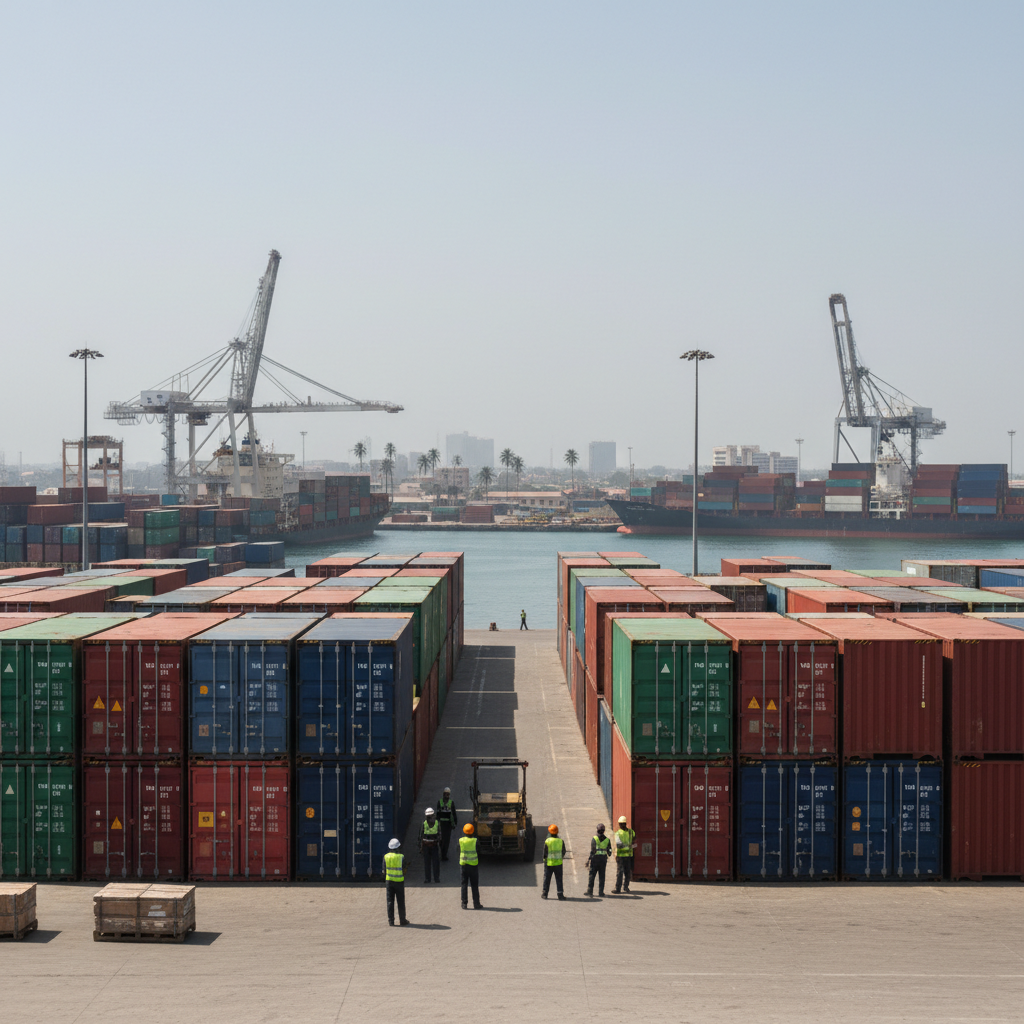
The Strait of Hormuz is a critical chokepoint for global oil and gas shipments. Its effective closure by Tehran earlier this year, following US and Israeli attacks on Iran, significantly impacted international energy markets. Ghana, as an oil-importing and exporting nation, is particularly sensitive to disruptions in this region due to their direct influence on crude oil prices and, consequently, domestic fuel costs and the national budget.
Iran has not yet publicly commented on reports of its agreement to halt strikes in the strait. However, the current de-escalation aligns with a 14-point Memorandum of Understanding (MoU) signed by the US and Iran on June 17, 2026. This MoU included an "immediate and permanent termination of military operations on all fronts" and committed Iran to ensuring the "safe passage of commercial vessels with no charge for 60 days."
The ceasefire agreed to less than two weeks prior was threatened when strikes resumed on Thursday. An Iranian projectile hit a cargo ship in the Strait of Hormuz, prompting US retaliatory strikes over the weekend. The US Central Command (Centcom) described these as a direct response to "continued aggression" against commercial shipping. Iran then responded with strikes on US bases in Kuwait and Bahrain, though the US reported no casualties or damage.
The immediate implication of this agreement is a likely stabilization, or even a decrease, in global crude oil prices, which had seen volatility during the recent escalation. For Ghana, this could translate to more predictable fuel prices at the pump and reduced pressure on the GHS through lower import bills for petroleum products. Decision-makers in Accra will closely monitor the adherence to this agreement and the progress of renewed peace talks, given the significant economic implications of Middle East stability.
Further, any sustained peace in the region could bolster investor confidence in the global energy market. This indirectly benefits oil-producing nations like Ghana. Financial markets will be vigilant for any official statements from Tehran or signs of renewed aggression. The reliability of commercial shipping through the Strait remains paramount for global trade and energy supply chains.
The broader diplomatic efforts also include the US mediating a framework agreement between Israel and Lebanon on Friday. This aims to pave the way to lasting peace in another volatile part of the Middle East, though that ceasefire also faces challenges from groups like Hezbollah.