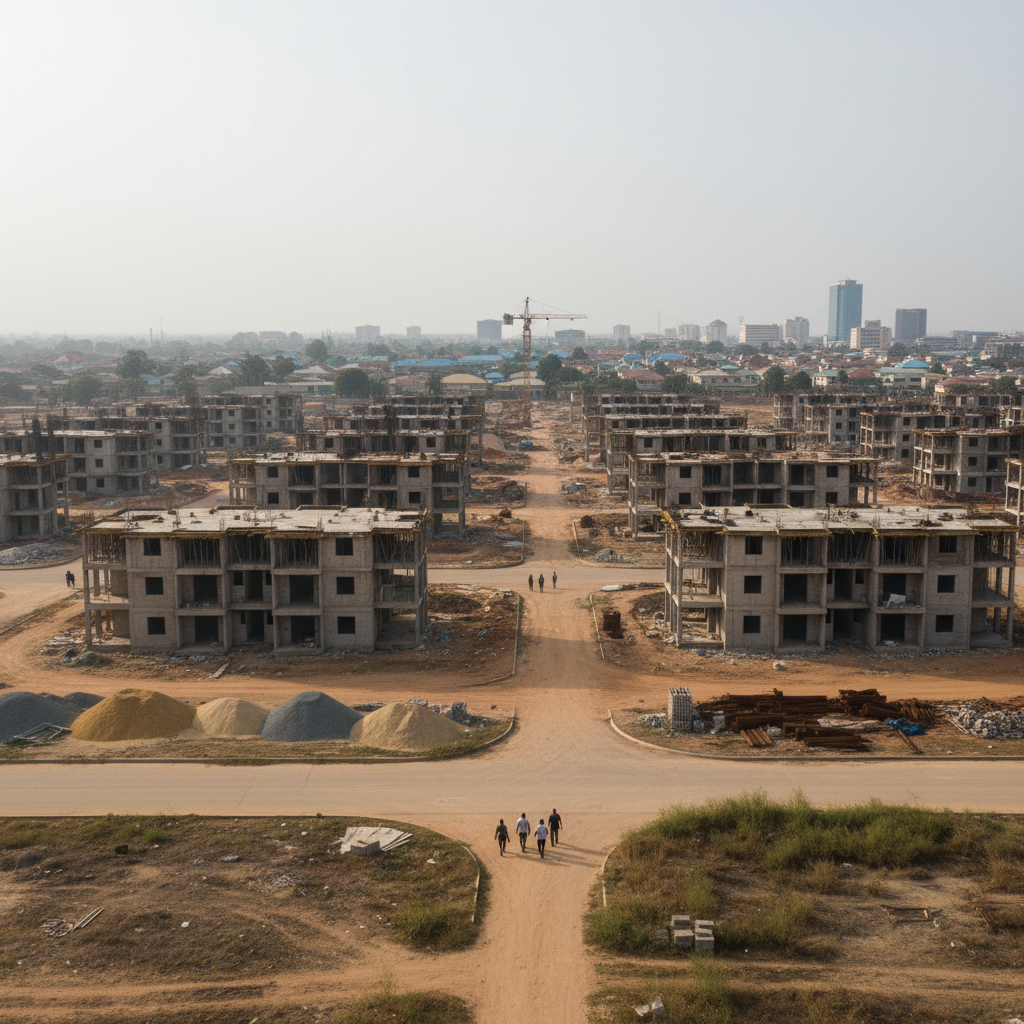
Ghana's government has completed only 1,500 affordable housing units by the end of 2027. This figure represents a mere 30% of the 5,000 units planned after securing a $200 million loan in 2012. The project's significant delays highlight persistent challenges in delivering critical social infrastructure.
The initial loan was intended to construct 5,000 affordable housing units. However, 15 years after the loan was contracted, only a fraction of the target has been met. This slow progress leaves thousands of Ghanaians without access to affordable housing, exacerbating the nation's housing deficit. The current President, who was in office when the loan was first secured, recently confirmed the updated completion timeline.
This situation unfolds against a backdrop of Ghana's long-standing housing crisis. The country faces a substantial housing deficit, estimated to be over 2 million units. Previous administrations have also struggled with similar projects, often leaving them incomplete or delayed. The Saglemi Housing Project, for instance, remains largely unfinished despite significant investment. This pattern of stalled projects contributes to public frustration and economic inefficiency.
Kwaku Antwi-Boasiako, a prominent commentator, highlighted the stark contrast with international efforts. He noted the UK government's commitment to building 70,000 social and affordable homes in England over the next 10 years. This initiative involves an initial allocation of almost £10 billion, part of a larger £39 billion social housebuilding programme. Such comparisons underscore the scale of Ghana's challenge and the need for more effective project execution.
The continued failure to complete these vital housing projects has significant implications for Ghana's economy and social welfare. It means continued reliance on informal housing solutions and high rental costs for many citizens. Decision-makers must address the root causes of these delays, including funding mismanagement, bureaucratic hurdles, and political transitions. Future housing initiatives will face increased scrutiny from the public and international partners. The government's ability to deliver on such promises will be crucial for public trust and economic stability.
The unfulfilled housing targets also impact the broader construction sector. Delays affect job creation and the growth of local industries supplying building materials. Ghana's economic development depends on reliable infrastructure delivery. The government must implement robust oversight mechanisms and ensure accountability for project timelines and budgets. Learning from past failures is essential for future success in addressing the nation's housing needs. This situation demands a comprehensive review of project management strategies.
The disparity in project delivery rates between Ghana and the UK is striking. While the UK aims for 70,000 homes in 10 years, Ghana has delivered only 1,500 in 15 years. This performance gap raises questions about Ghana's capacity to manage large-scale infrastructure projects. Investors and citizens alike will monitor the government's response to these challenges. Effective housing policies are fundamental to inclusive economic growth and social equity.