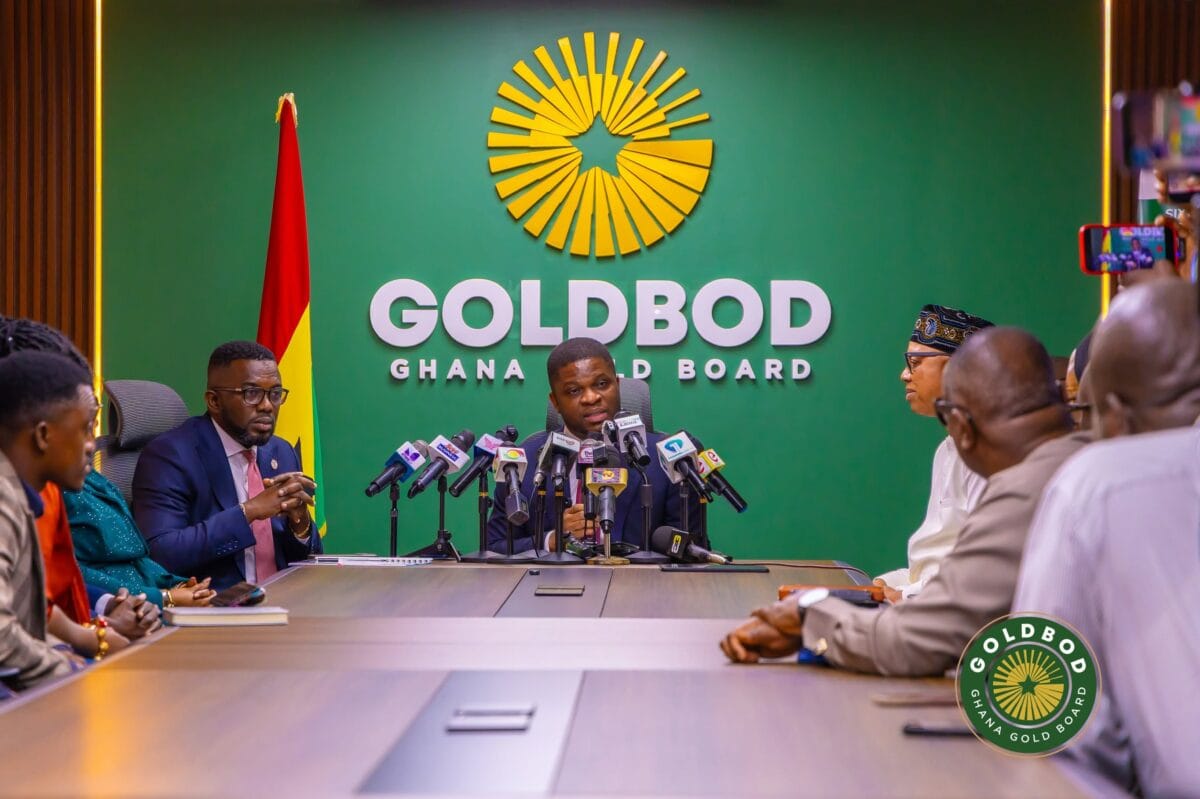
The Ghana Gold Board (GoldBod) has signed an agreement worth GHS 8.4 million with Ghana Water Limited (GWL). This agreement will rehabilitate three water supply systems in the Western and Central regions. The project targets the Bonsa, Daboase, and Sekyere Heman water supply systems.
This initiative will restore water production capacity and improve water supply to affected communities. These areas have faced operational challenges for many years. The rehabilitation project expects to increase water production and enhance service delivery to households, schools, and businesses.
This investment reflects a growing trend of corporate entities contributing to essential infrastructure development in Ghana. Such projects are crucial for improving living standards and supporting economic activities outside of urban centers. Ensuring reliable water access is a key component of sustainable development and community resilience.
GoldBod Chief Executive Officer Sammy Gyamfi stated that the Board conducted an independent technical assessment before approving the project. He said the initiative shows GoldBod's commitment to responsible mining, environmental sustainability, and improving the quality of life for Ghanaians. Ghana Water Limited Managing Director Adam Mutawakilu expressed appreciation for GoldBod's support, highlighting the project's importance.
This rehabilitation project is expected to have several positive implications. It will strengthen environmental management in mining-affected areas. It will also provide more reliable access to clean water for beneficiary communities. Decision-makers and the public will observe the project's progress and its impact on water quality and availability in the targeted regions. This type of corporate social responsibility can encourage other companies to invest in local infrastructure.
Boosting water infrastructure is vital for public health and economic productivity. Access to clean water reduces disease and allows for greater participation in education and work. This GHS 8.4 million investment demonstrates how private sector funds can complement government efforts in critical development areas. The successful completion of this project could set a precedent for future collaborations between state-owned enterprises and private entities.
GoldBod's commitment aligns with broader national goals of universal access to clean water. Data from the Ghana Statistical Service often highlights disparities in water access between urban and rural areas. This project directly addresses some of these disparities. It also reinforces GoldBod's role beyond just managing Ghana's gold sector, extending into social infrastructure development.