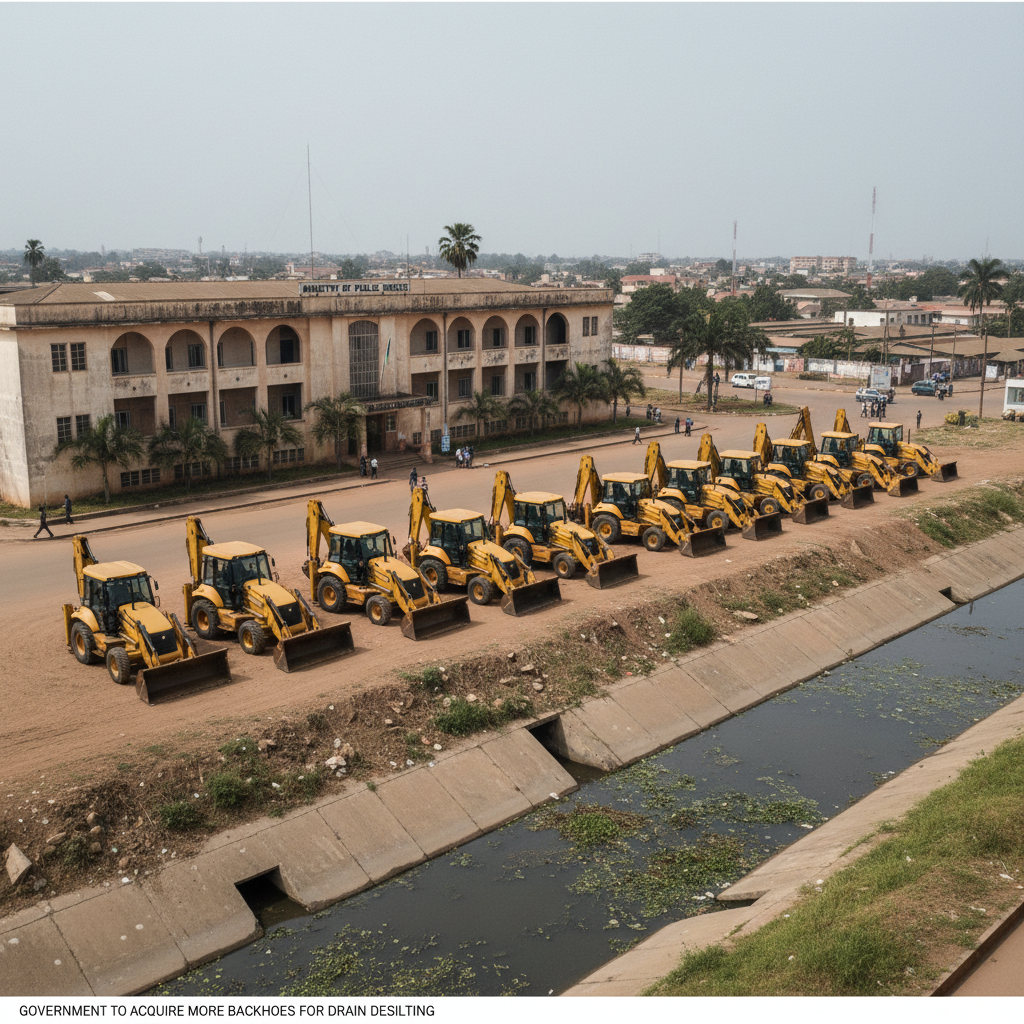
President John Mahama has announced the government will procure additional backhoes and other specialized equipment for the military. This equipment aims to improve the clearing of drains and reduce the risk of flooding across Ghana. The initiative seeks to prevent excavated silt and waste from returning to waterways during heavy rains.
These new machines will remove silt and waste excavated from drains. They will then transport debris to designated dumping sites. This crucial step ensures the cleared material does not wash back into rivers and other water bodies. Failing to do so renders desilting efforts ineffective, a consistent issue in flood-prone areas.
This procurement forms a key part of the government's broader flood mitigation strategy. Ghana has experienced recurring flooding incidents, especially during the rainy seasons. Previous efforts often left excavated silt along drain banks, negating initial desilting work. This new approach targets a more sustainable solution to urban flooding challenges. Improving drainage systems and preventing debris re-entry can protect property and livelihoods across the country.
President Mahama emphasized the importance of these specialized machines. He stated, "We also have to get specialised machines like backhoes to take the silts that we have taken out of the drains and put them in a tipper truck to take them away." He added that providing more backhoes to the military will support ongoing drainage maintenance exercises. This ensures long-term impact from current desilting operations.
The effective deployment of this new equipment will reduce losses from flood damage. It should also improve public health by preventing stagnant water that can breed diseases. Decision-makers and local communities will be watching closely for timely procurement and deployment. The success of this initiative will be measured by its ability to significantly mitigate flood impacts in vulnerable areas. This investment reflects a commitment to long-term infrastructure resilience against climate challenges.
This move is a direct response to the persistent problem of flooding. The economic cost of flooding in Ghana can run into millions of GHS annually, affecting businesses and agricultural output. By tackling the root cause of re-silted drains, the government hopes to create more resilient urban environments. This will also potentially free up resources currently spent on post-flood recovery. The initiative follows various government strategies aimed at improving environmental sanitation and public safety.
The procurement of such equipment signals a shift towards preventive measures rather than reactive ones. It prioritizes efficient waste removal after desilting. The military's involvement ensures a coordinated and disciplined approach to these crucial maintenance tasks. This strategy could set a precedent for future infrastructure maintenance projects nationwide.