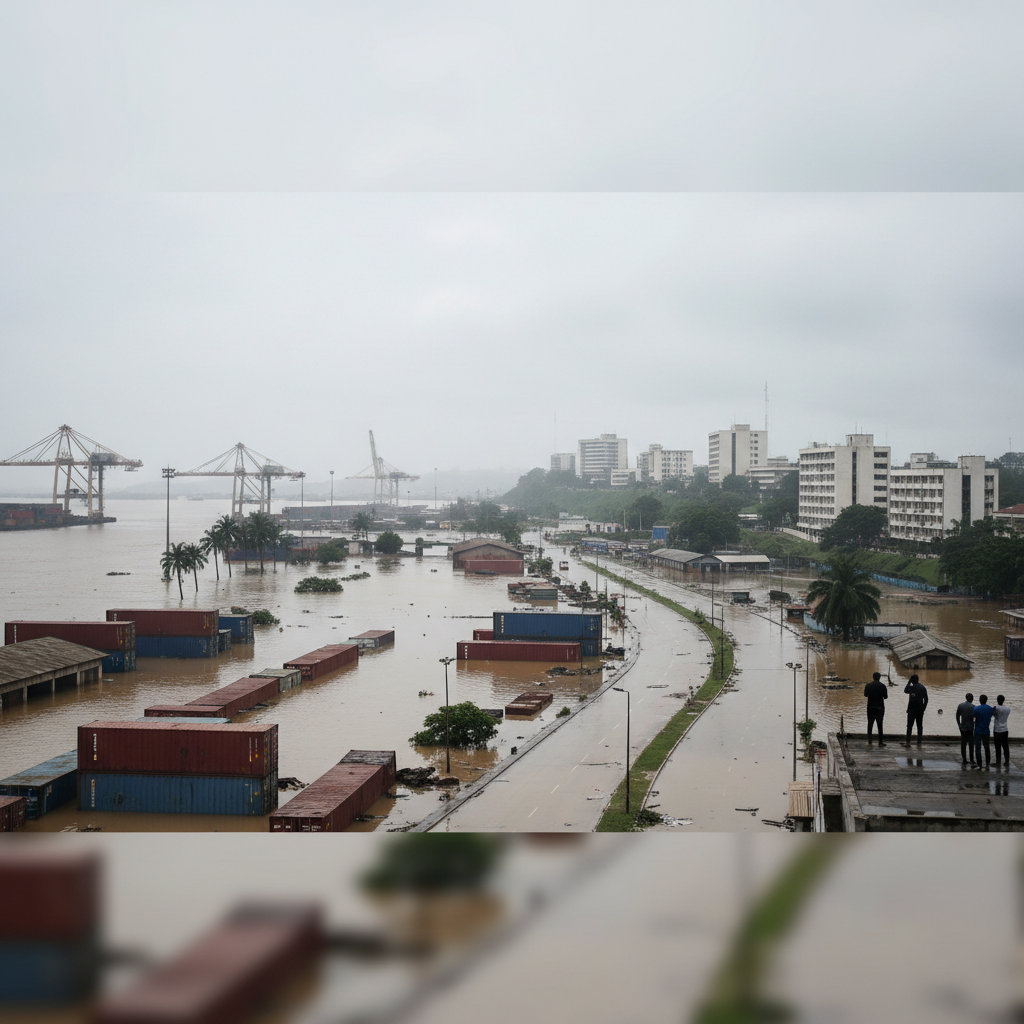
A Ghanaian industrialist has proposed relocating the nation’s administrative capital to prevent an economic crisis triggered by recurring floods. Kow Sam asserts that Ghana faces an “economic time bomb” due to extensive flood damage. This move aims to protect the country from escalating climate risks and significant financial losses.
The proposal suggests moving the capital from Accra to the Accra–Kumasi Expressway Corridor. This area offers a new strategic location for administrative functions. Recurring floods in Accra have caused billions of Ghana cedis in economic damage and disrupted business operations. Such disruptions severely impact national productivity and financial stability.
This call for relocation fits into a broader national conversation about managing climate change impacts and urban planning. Accra's vulnerability to flooding has been a long-standing issue, affecting infrastructure and livelihoods. The government has previously faced pressure to address the underlying causes and consequences of these annual deluges. Data shows that flood events consistently result in substantial financial setbacks for the national economy. Prior administrations have initiated various projects to mitigate flooding, but the problem persists.
Kow Sam specifically highlighted the continuous cycle of destruction and reconstruction. He stated that Ghana needs a “new national strategy” to tackle these challenges effectively. This strategy must consider both immediate relief and long-term preventative measures. Sam's perspective underscores the urgent need for decisive action rather than reactive solutions. His comments reflect growing frustration within the business community over the economic toll of these environmental disasters.
Moving the capital would require substantial investment and detailed planning. It would also involve a complete overhaul of current administrative structures. This decision would affect real estate markets, infrastructure development, and population distribution patterns. Policymakers will likely evaluate the economic feasibility and strategic benefits of such a drastic measure. The potential impact on Ghana’s credit ratings and foreign investment will also be a key consideration. A relocation could provide a long-term solution to recurrent flood damage, potentially safeguarding national assets and economic growth. The conversation around this proposal will likely involve extensive debate on its financial implications and national development priorities.