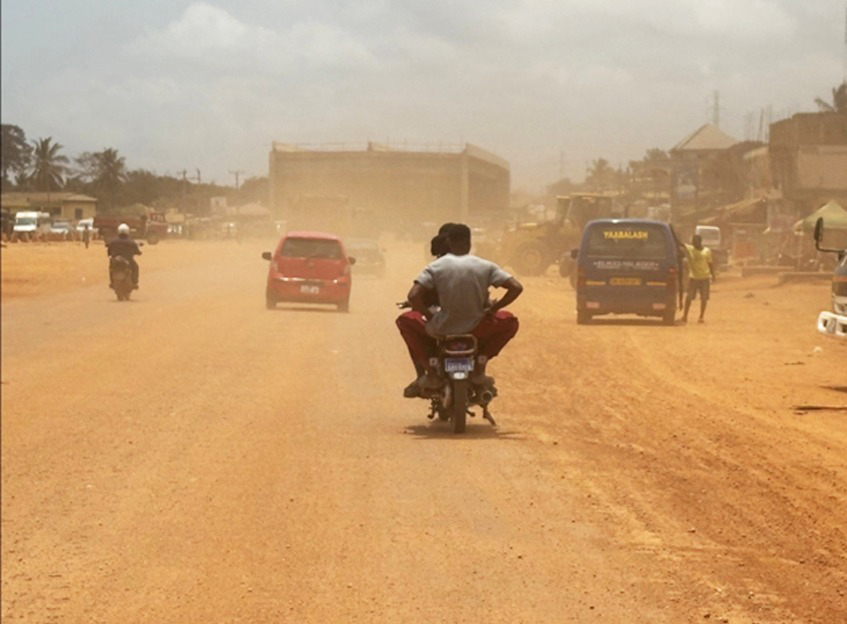
Commercial transport operators on the Kasoa–Winneba highway will increase fares by 20% starting June 29, 2026. This increase will occur if the government fails to begin urgent rehabilitation work on the deteriorating road. The Ghana Private Road Transport Union (GPRTU) of the Trades Union Congress (TUC) and the Commercial Transport Operators of Ghana issued this joint warning on June 24.
This decision follows months of frustration over the poor state of the road. Operators report frequent vehicle breakdowns, increased fuel consumption, and significant travel delays. These issues directly impact their operational costs and business viability. The proposed fare adjustment aims to offset these rising expenses for drivers.
The poor condition of critical road infrastructure often leads to increased costs for businesses and commuters across Ghana. Such cost pressures can fuel inflation as transport expenses are passed onto consumers. The government's 2024 budget outlined plans for significant infrastructure development. However, specific projects like the Kasoa–Winneba road rehabilitation appear to face delays. This situation highlights the ongoing challenge of maintaining and upgrading Ghana's transport networks.
A joint statement called for immediate intervention from the Ministry of Roads and Highways. Transport unions had staged a demonstration on June 12. They then gave the government a two-week ultimatum to start repair works. They claim no significant action has been taken since that time.
If repairs do not commence, commuters on the Kasoa–Winneba route will face higher transport costs from June 29, 2026. This could impact daily budgets for many Ghanaians. Transport operators hope to prompt government action to avoid this measure. The Ministry of Roads and Highways will need to respond to prevent the fare hike and its economic consequences.
Continued delays in road maintenance increase operating costs for businesses. This puts upward pressure on prices for goods and services in the affected regions. A 20% fare increase could hurt household budgets and local commerce. This road is a vital link between Accra and Ghana's Central and Western regions. Its poor state is a significant economic impediment. Urgent investment in road infrastructure is essential to support economic activity and reduce living costs for citizens. The situation also raises questions about the execution speed of government infrastructure projects.