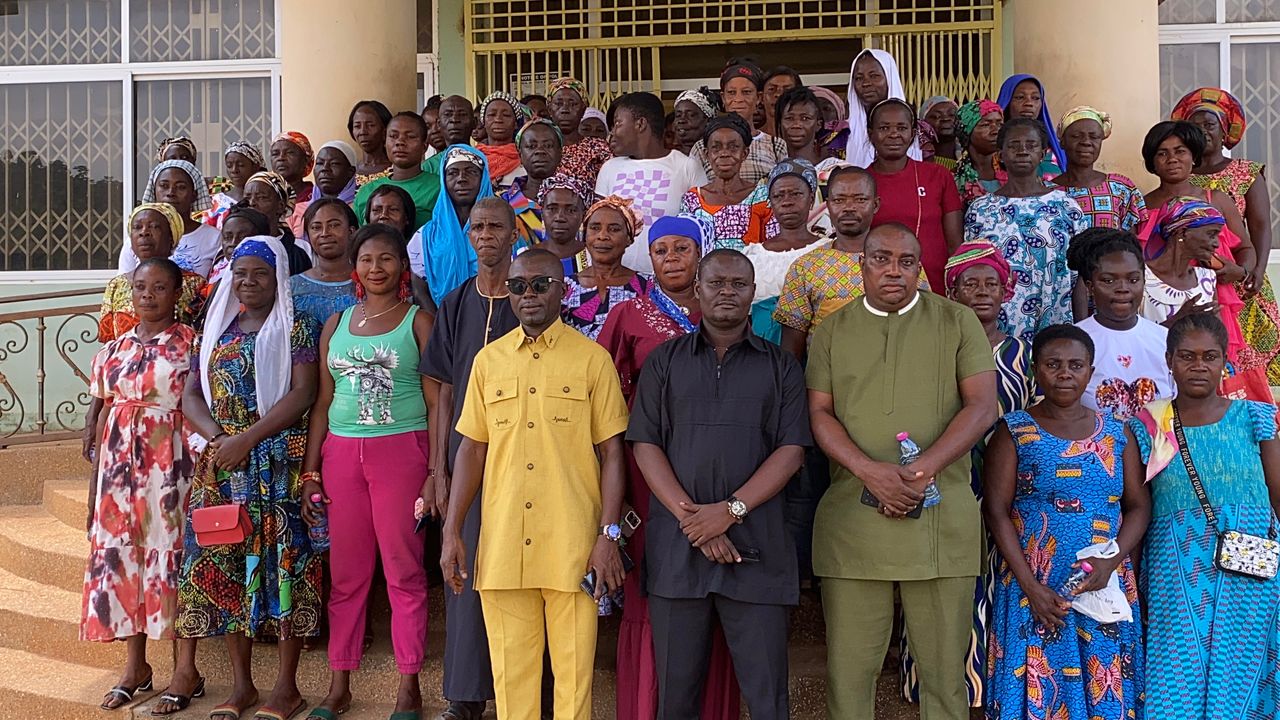
The Bosome Freho District Assembly in the Ashanti Region has inaugurated 100 street sweepers for its new Street Sweeping Programme. Each of these 100 sweepers will receive a monthly allowance of GHS 500, a substantial increase from previous arrangements.
This initiative aims to significantly improve environmental sanitation across communities within the district. The programme responds to a directive from President Mahama, urging Metropolitan, Municipal, and District Assemblies (MMDAs) to enhance sanitation management. This directive follows the government's decision not to renew its sanitation contract with Zoomlion Ghana Limited.
This move is part of a broader national strategy to decentralise and strengthen local government's role in public services, particularly sanitation. Historically, large-scale sanitation contracts often led to concerns about efficiency and the welfare of low-wage workers. The government's decision signals a shift towards empowering MMDAs to manage these essential services directly, potentially leading to more localised and accountable solutions. Ghana's annual sanitation budget is substantial, and how these funds are distributed and managed at the district level is critical for public health and economic productivity.
District Chief Executive for Bosome Freho, Charles Appiah-Kubi, affirmed the assembly's commitment to supporting the new workforce. Mr. Appiah-Kubi stated, “The Assembly and I have agreed that every month, each of the 100 street sweepers will receive an allowance of GHS 500 to support and motivate them in their work.”
This new allowance represents a significant pay rise for sanitation workers. Under the previous arrangement with Zoomlion, sweepers reportedly received only GHS 150 per month. The increase to GHS 500 shows the assembly's dedication to improving the welfare of these essential workers, which could also boost local purchasing power. The District Coordinating Director, Michael Adjei, warned that supervisors would closely monitor activities. Absenteeism without valid excuse for three consecutive times would lead to dismissal, ensuring accountability and prudent use of public funds.
This direct employment model could set a precedent for other MMDAs transitioning from previous centralised sanitation contracts. The success of this programme in Bosome Freho, especially regarding worker motivation and environmental impact, will be closely watched. Policy makers and local governments will monitor whether this approach leads to more sustainable and effective waste management across the country. The financial implications for district budgets and the potential for job creation in the informal sector are also key considerations.