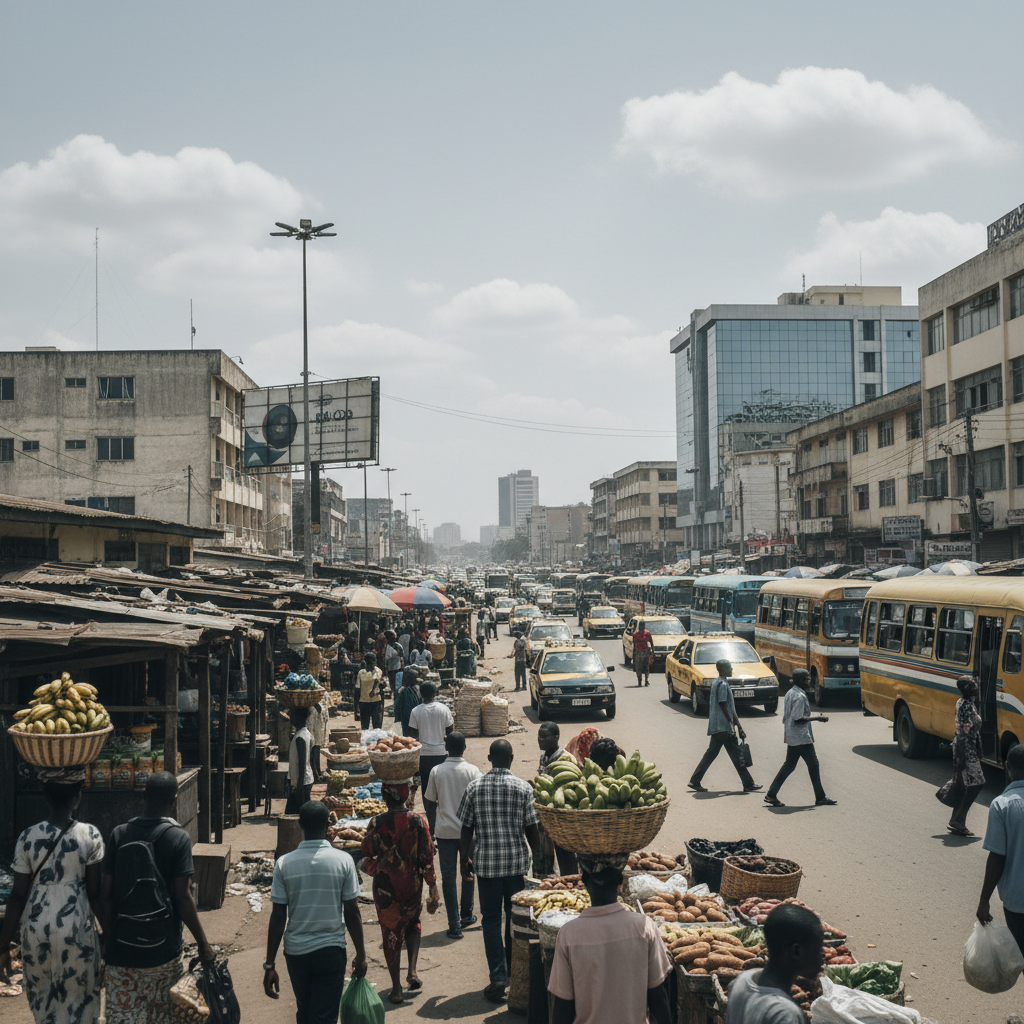
Young Ghanaian voters prioritize jobs and their personal welfare over political party loyalty, according to a recent report by Africa Policy Lens (APL). The APL National Voter Perception Poll, conducted from May 23 to 30, 2026, revealed that voters aged 18 to 24 are largely unconcerned with party affiliations.
This age group, identified as the most politically fluid segment, focuses instead on the government's ability to improve their lives. The report highlights that one-fifth of Gen Z respondents show the highest levels of indecision and weakest partisan attachments. These young voters are particularly interested in employment opportunities, economic mobility, and future prospects.
This trend impacts Ghana's broader economic and political landscape, particularly with upcoming elections. High unemployment rates among the youth, coupled with a focus on personal economic improvement, can significantly shape electoral outcomes. Previous data consistently shows youth employment as a critical issue for successive governments. The APL survey's findings reinforce the need for targeted policies addressing youth job creation and economic empowerment.
The APL report stated: “Young voters emerge as the most politically fluid segment of the electorate.” The report further noted that these younger voters represent “an important battleground constituency capable of influencing future electoral outcomes.” The survey gathered 6,483 valid responses from eligible voters across all 16 regions of Ghana.
Political parties and policymakers must pay close attention to these findings. Future electoral strategies will likely need to emphasize concrete plans for job creation and economic development to appeal to this critical demographic. Candidates who effectively address the economic concerns of young people may gain a significant advantage. The current report indicates the New Patriotic Party (NPP) holds a 48.8% national vote intention, with the National Democratic Congress (NDC) at 37.6%.
The significant number of uncommitted young voters suggests a dynamic political environment. Their low intended participation rate, contrasted with higher participation among older demographics, also warrants attention. Re-engaging this youth segment by addressing their core economic needs could shift the political balance. Therefore, future government initiatives and economic policies must directly tackle youth employment and welfare to gain widespread support.