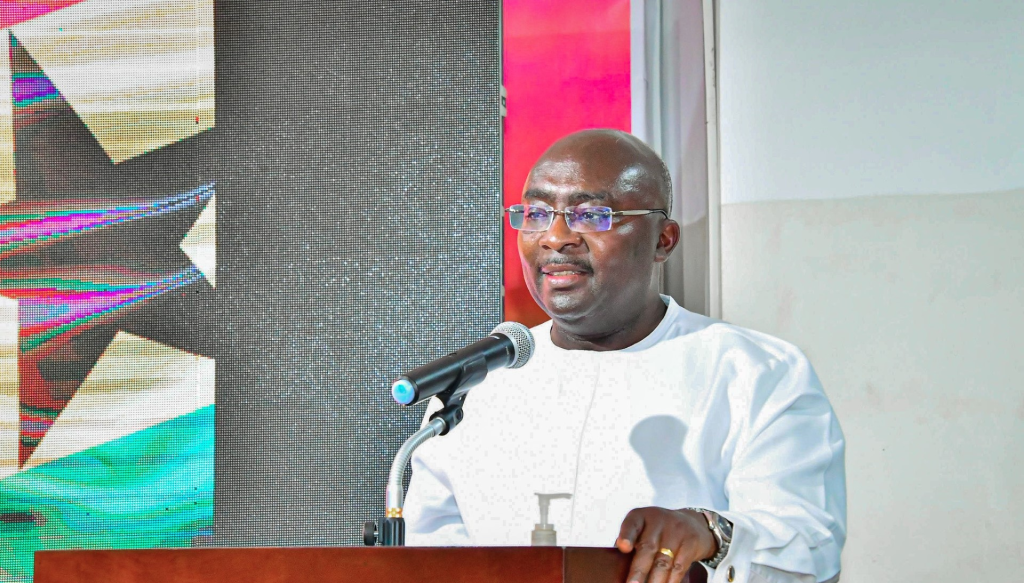
Former Vice President Dr. Mahamudu Bawumia has explained the introduction of Ghana's 'Gold for Oil' and Domestic Gold Purchase Programmes. These initiatives directly addressed severe pressure on Ghana's foreign exchange reserves and the depreciation of the Ghana cedi. Dr. Bawumia proposed these policies while serving in government to stabilize the national economy.
Dr. Bawumia stated that Ghana's access to external financing suffered significantly due to the COVID-19 pandemic and the Russia-Ukraine war. This global instability created a balance of payments crisis, making it difficult for the country to secure sufficient foreign currency. The 'Gold for Oil' programme allowed Ghana to use gold for petroleum imports, reducing the demand for US dollars.
Ghana's economic situation was further complicated by conditions under its International Monetary Fund (IMF) programme. These conditions limited the Bank of Ghana to using approximately $80 million monthly for foreign exchange market interventions. This amount was insufficient to meet the nation's much higher demand for dollars, creating a significant gap. This imbalance between dollar supply and demand intensified pressure on the cedi, contributing to its rapid depreciation against major international currencies.
Speaking to members of the Ghana Small-scale Miners Association in Accra, Dr. Bawumia detailed the rationale behind these policies. He questioned why Ghana, a major gold producer, should rely on exporting other commodities for dollars to build reserves. Instead, he argued, the country could purchase locally produced gold with cedis for its reserves. This strategy formed the basis of the Domestic Gold Purchase Programme, also known as 'Gold for Reserves'.
Dr. Bawumia described both 'Gold for Oil' and the Domestic Gold Purchase Programme as unconventional ideas. He noted that the Bank of Ghana conducted extensive due diligence for nearly a year before their implementation. Ghana became the first country to implement such a programme, and other nations have since expressed interest in learning from Ghana's experience. These policies aimed to create a more resilient economic framework for the nation.
The successful implementation of these programmes could offer a blueprint for other resource-rich nations facing similar foreign exchange challenges. Future economic policies will likely continue to explore innovative approaches to currency stability and reserve management. Decision-makers and financial markets will closely monitor the long-term impacts of these gold-backed strategies on Ghana's economic health. The programmes represent a significant shift in how Ghana manages its commodity wealth and international trade.
These initiatives are crucial for Ghana's economic independence and stability. They reduce vulnerability to external shocks and currency fluctuations. The Bank of Ghana's role in assessing and implementing these complex programmes was central to their success. Ghana's experience provides valuable lessons in navigating global economic uncertainties. The country continues to seek sustainable solutions for its financial future.