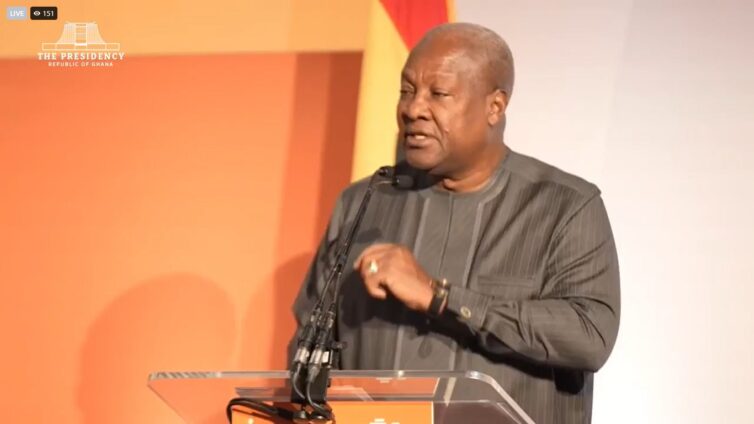
Former President John Dramani Mahama has indicated that Ghana's economic growth for 2026 is unlikely to achieve the anticipated 7% target. He attributed this potential shortfall primarily to the impact of ongoing global developments. Mahama explained that Ghana was initially poised for greater economic progress this year compared to the previous year. However, external events have significantly affected this positive outlook.
The former President made these comments during a citizens' engagement session. This event was part of his tour of the Upper West Region. He stressed that while the country had a strong trajectory, it cannot remain unaffected by worldwide economic shifts. This perspective offers a crucial insight into the challenges facing Ghana's economic planners.
This assessment by a prominent political figure provides important context for Ghana's economic narrative. The nation has been navigating various domestic and international economic headwinds. Recent data from the Ghana Statistical Service showed a GDP growth rate of 3.8% in the first quarter of 2026. This figure was lower than the 4.2% recorded in the same period of 2025. The Bank of Ghana has also maintained a tight monetary policy to combat inflation, which stood at 23.2% in April 2026. These indicators suggest a challenging environment for achieving ambitious growth targets.
Mahama also pointed to the upcoming 2027 budget as a critical opportunity. He believes the government can use this budget to address pressing national issues. Budget hearings have already commenced, signaling active preparations for the fiscal year ahead. The former President expressed confidence that essential matters would be captured in the new financial plan. This highlights the importance of fiscal policy in responding to economic pressures.
The implications of a potential growth slowdown are significant for Ghana's economy. A failure to meet the 7% growth target could affect job creation and poverty reduction efforts. It might also influence investor confidence in the Ghanaian market. Policymakers will need to closely monitor global economic trends, such as commodity price fluctuations and geopolitical tensions. These external factors directly impact Ghana's export revenues and import costs. The government's response in the 2027 budget will be crucial. It must outline strategies to mitigate external shocks and stimulate domestic economic activity. Businesses and citizens will be watching for measures that support stability and growth. The Bank of Ghana's monetary policy decisions will also play a key role in managing inflation and supporting economic expansion. Sustained economic growth is vital for improving living standards across the country. Therefore, understanding and addressing these challenges remains a top priority for national development.