Ghana’s year-on-year Prime Building Cost Index (PBCI) inflation rate increased to 2.7 percent in May 2026. This marks an increase from 2.2 percent recorded in April. The rise is primarily due to higher costs for equipment and specialized building inputs.
This upward movement in construction costs follows months of deceleration. Cheaper cement and steel prices continue to moderate overall cost pressures across the sector. However, rising equipment and specialized materials outweighed these moderating factors. This affected developers, contractors, and home builders.
The increase in construction inflation fits into a broader context of dynamic price movements in the Ghanaian economy. While the current rate is much lower than the 22 percent recorded a year earlier, it signifies a shift. It shows that specific components are now driving inflation. This divergence suggests that different parts of the construction supply chain face varying economic pressures. This trend can influence housing affordability and infrastructure development in Ghana.
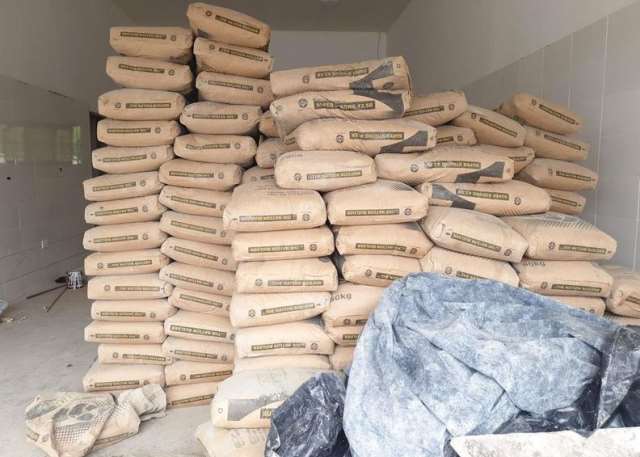
Data from the Ghana Statistical Service (GSS) confirmed these figures. The GSS highlighted that materials remained the dominant source of inflationary pressure. The materials component, which carries a weight of 76.5 percent in the PBCI, recorded year-on-year inflation at 3.5 percent in May. This is an increase from 2.4 percent in April. Plumbing costs saw the steepest increase, rising 22.8 percent year-on-year. Roofing sheets costs went up by 19.9 percent, and glazing costs by 18.5 percent. Electrical works, metalwork, and reinforcement materials also experienced double-digit inflation. These increases were partially offset by price declines in heavily weighted inputs such as cement, which fell 14.5 percent, and steel, which dropped 8.1 percent.
A notable development is the sharp acceleration in plant inflation. Costs for equipment and construction tools increased by 9.8 percent year-on-year in May. This is more than double the 4.7 percent recorded in April. Small tools inflation reached 12.6 percent, and equipment costs rose 6.2 percent. Furthermore, labour costs moved into deflationary territory, falling to negative 2 percent in May from positive 1 percent in April. This made labour the main factor moderating overall building inflation. Skilled labour costs declined 1.7 percent, and unskilled labour costs fell 2.6 percent. This mixed picture means decision-makers must carefully watch specific input costs. It will affect future project budgeting and the overall health of Ghana's construction industry.