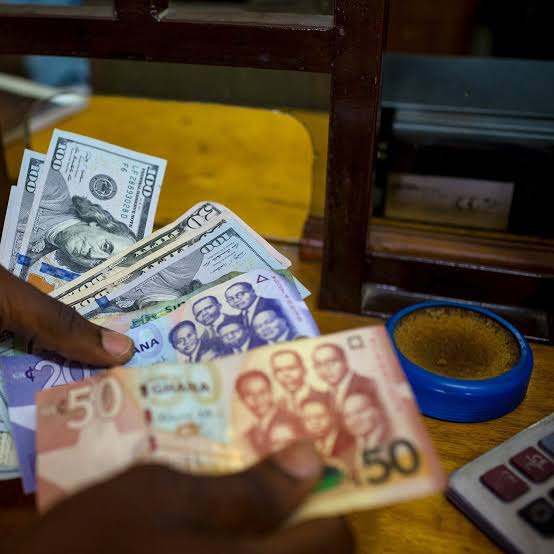
Ghana’s cedi has depreciated, crossing the GH¢11.55 mark against the US dollar. This movement reflects growing strain from elevated global energy prices and increased demand for foreign currency.
The official interbank midpoint for the dollar now stands at GH¢11.55. Manufacturers, importers, and energy companies are intensifying their demand for dollars. These businesses seek protection against further increases in fuel and other externally priced inputs.
This depreciation fits into a broader narrative of African currencies feeling the impact of global economic shifts. Uganda’s shilling and Zambia’s kwacha have experienced sharper declines recently. The cedi’s movement, while slower, is becoming increasingly visible within this regional context. Global oil prices, with Brent crude at US$104.87 a barrel on September 18, are a key external pressure point.
Reuters reported that dollar demand from the energy and services sectors in Ghana is exceeding interbank supply. This pattern mirrors pressures seen in other African nations as petroleum and other import costs rise. The Bank of Ghana’s September 18 interbank data showed the dollar at GH¢11.5442 buying and GH¢11.5558 selling.
The next critical level for the cedi is around GH¢11.60 per dollar. Decision-makers and markets will closely watch this threshold. A break above this level, especially with stronger petroleum-sector demand, could signal further depreciation. Wider retail-interbank spreads or heavier Bank of Ghana intervention would also be key indicators.
The cedi’s depreciation, though gradual, is significant. It indicates that expectations are beginning to influence demand for dollars. Companies are making forward dollar purchases to lock in exchange rates. This behavior can intensify pressure even before the full impact of energy bills is felt in trade flows.
Uganda’s shilling weakened by approximately 1.68% in a week. It moved from UGX3,860-3,870 to UGX3,925-3,935 per dollar by September 17. Zambia’s kwacha saw an even larger weekly adjustment, depreciating by about 2.10%. It moved from ZMW19.53 to ZMW19.94 per dollar. This makes Zambia’s kwacha the most depreciated among major currencies surveyed.
Ghana’s situation, however, remains materially different from Uganda and Zambia for now. Traders expect support from the Bank of Ghana. Foreign-exchange inflows from Ghana’s gold marketing arrangements should also limit disorderly depreciation. The cedi’s movement has been gradual, not disorderly. Official reserves and central bank intervention capacity provide a buffer against abrupt market dislocation.
The common external pressure is the price of oil. Brent crude’s high price continues to impact import-dependent economies. While diplomatic efforts eased some immediate concerns, Middle East conditions remain volatile. This volatility contributes to the uncertainty driving dollar demand across the continent.
Nigeria and Kenya have shown comparative stability. Nigeria’s naira remained broadly unchanged around NGN1,328 per dollar. Kenya’s shilling moved only about 0.15% to KES129.50-129.70 per dollar. Central bank dollar sales and subdued import demand helped maintain their stability.
The cedi’s crossing of GH¢11.55 is a clear signal of increasing economic pressure. Businesses and policymakers must monitor these currency movements closely. The interplay of global energy prices, local dollar demand, and central bank actions will shape the cedi’s trajectory in the coming weeks.