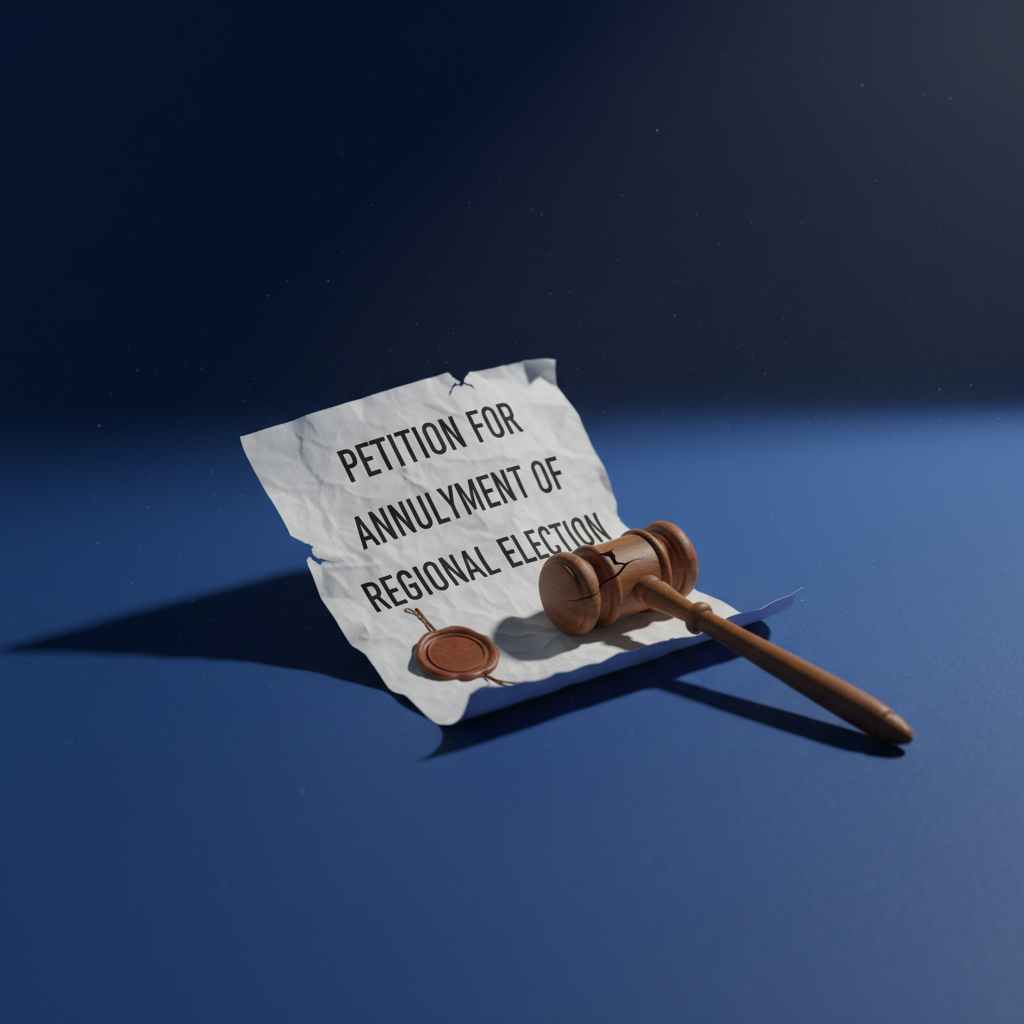
A group of New Patriotic Party (NPP) constituency executives in Bibiani-Anhwiaso-Bekwai has petitioned the party's Western North Regional Chairman to annul ongoing Electoral Area Executive Committee elections. Their petition, dated June 14, 2026, alleges widespread irregularities, constitutional breaches, and the disenfranchisement of qualified party members.
The petition claims an unauthorized re-vetting exercise for Electoral Area Coordinators led to a disputed vetting list. This list allegedly disqualified aspirants who did not participate in the unapproved re-vetting. This action directly affected the eligibility of numerous candidates, creating confusion and undermining the fairness of the process.
These developments unfold within Ghana's political landscape where internal party elections are crucial for maintaining cohesion and voter confidence, especially as the nation approaches general elections. Previous internal party disputes have often led to disunity, impacting future electoral outcomes. Transparent and fair internal processes are vital for any political party seeking to secure public trust.
According to the petitioners, the disputed exercise led to the publication of an alternative vetting list. This list allegedly disqualified aspirants who did not attend the re-vetting process. The executives stated, “How can a selfless party member who has satisfied his financial obligations to the party be deprived of his right to contest on the basis of non-attendance at an illegal re-vetting exercise?”
Decision-makers within the NPP's regional and national leadership must address these concerns promptly. A failure to resolve these deeply rooted issues could lead to further internal strife and public distrust. Markets and political observers will closely watch how the party navigates these challenges, as internal stability reflects on broader governance capabilities.
The petition further alleges that an election timetable was released almost immediately after a suspension was lifted. This left little time for consultations or preparations among the full Constituency Executive Committee. The suspension was reportedly lifted following a supposed resolution from national leadership, but petitioners claim no written roadmap was ever communicated.
Concerns also extended to the conduct of voting in several electoral areas, including Bethlehem, Basengele, and Lineso. Executives reported confusion and disputes over candidate eligibility during elections held on June 13. They claim aspirants were disqualified despite evidence of paid party dues.
The petition questions the motives behind these disqualifications. It asks, “How can a faction be permitted to conduct elections when aspirants who attended the said vetting and tendered evidence of dues payment, both personally and through guarantees, are nonetheless disqualified for the sole purpose of ensuring that preferred candidates are returned unopposed?”
Furthermore, the petitioners accuse constituency officers, including the Constituency Secretary and Research and Elections Officer, of overseeing parts of the process. They claim these individuals acted instead of regional election officials, undermining procedural integrity. Allegations suggest attempts to influence outcomes through selective disqualifications.
Among the most serious claims is the potential for election results to be entered into the party's management system for areas where no voting occurred. The Constituency Chairman allegedly stated, “we are done with voting and would proceed to enter our preferred choices on the elections results system.” This accusation, if verified, would represent a severe breach of democratic principles.
An incident at Kwaaso Polling Station within the Kwamekrom Electoral Area is cited as an example. Petitioners allege no election took place there, even though individuals were selected to participate. This highlights a critical flaw in the electoral administration process.
Tensions surrounding the elections reportedly led to confrontations in some communities. Constituency officers faced verbal and physical abuse as local party members protested the process. Attempts to conduct elections were met with resistance from party members who questioned the credibility of the exercise.
The executives argue these events violate the NPP Constitution's provisions on election administration and due process. They contend these actions threaten party unity and damage the party's image. Resolving these issues is critical for the NPP as it prepares for future electoral contests and seeks to avoid internal divisions.