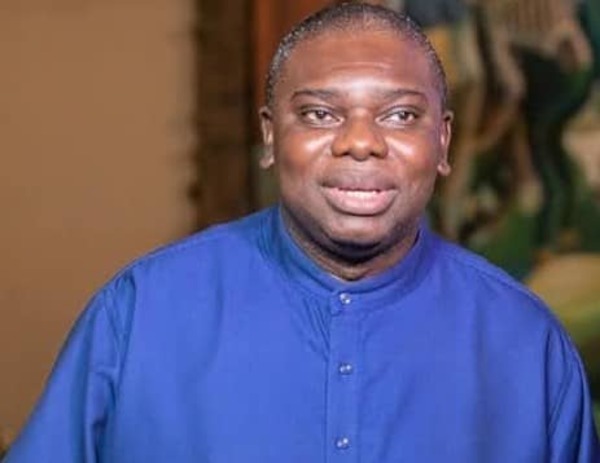
A recent audit revealed that 1,587 out of 4,767 District Assemblies Common Fund (DACF) projects surveyed across Ghana are non-existent. Michael Harry Yamson, the DACF Administrator, confirmed this significant figure. This means close to one-third of the projects reviewed could not be physically traced.
Mr. Yamson attributed these findings to a lack of transparency in managing the Common Fund. He noted these discrepancies largely occurred during previous administrations. The projects were intended to promote equitable development and enhance decentralised governance. The absence of these projects affects many communities dependent on DACF funding for essential services and infrastructure.
This situation underscores ongoing challenges in public financial management in Ghana. The DACF is crucial for local development across all 261 metropolitan, municipal, and district assemblies (MMDAs). Efficient use of these funds directly impacts economic growth and poverty reduction at the local level. Previous reports have often highlighted concerns about accountability and the proper execution of publicly funded projects.
Mr. Yamson emphasized his commitment to strengthening transparency and accountability within the DACF. He stated that every cedi released for development must result in visible, verifiable projects on the ground. He made these remarks at a meeting with Municipal and District Chief Executives (MDCEs) in the Volta Region last Thursday. This commitment aims to rebuild public trust in the administration of development funds.
The implications of these findings are substantial for public finance and economic development. There will likely be increased scrutiny on how the DACF distributes and monitors its funds. Decision-makers will need to implement stricter oversight mechanisms to prevent future misallocations. Markets and investors may also observe how the government addresses these transparency issues, as it impacts overall governance indicators.
Furthermore, Mr. Yamson urged MMDAs to intensify efforts to mobilise Internally Generated Funds (IGF). This is crucial to broaden their financial base and reduce reliance on central government transfers. He indicated that 80 percent of the DACF had been released, but local funds are still necessary. Improved IGF mobilisation would complement national allocations, enhancing service delivery and accelerating local development.
The Volta Regional Minister, James Gunu, also called on assemblies to use their Common Fund allocations prudently. He stressed the need for innovative approaches to drive local economic development and create jobs. Collaboration with non-governmental organisations (NGOs) could attract additional resources for development. This collective effort is vital for maximizing the impact of available funds.
The District Chief Executive for Ho West, Professor Francis Duse, noted the importance of increased Common Fund releases. He expects these funds to support critical infrastructure projects and improve education. Inclusive programmes for persons with disabilities will also benefit. These projects are essential for the socio-economic advancement of districts like Ho West.