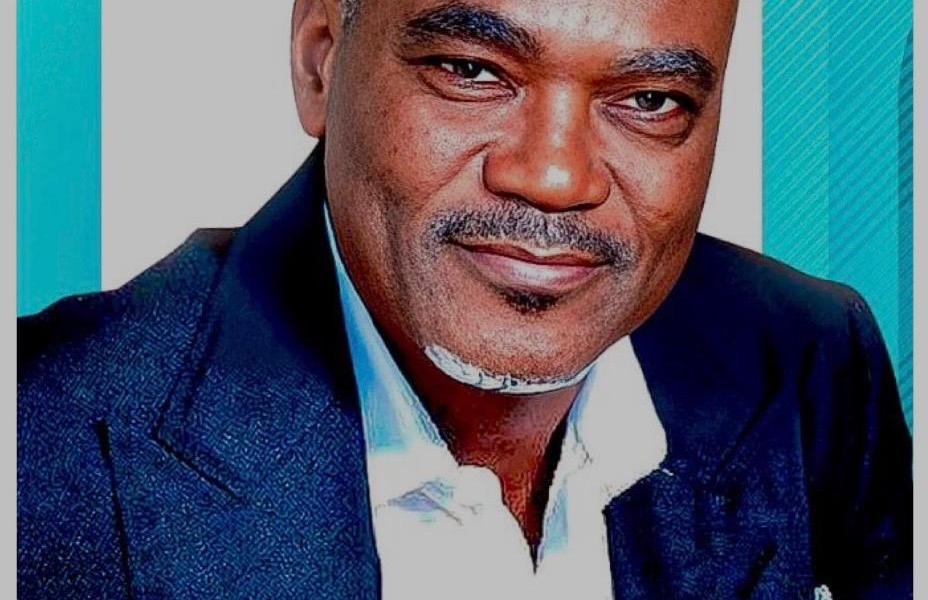
Businessman and economist Dr. Kofi Amoah has challenged President John Mahama to act decisively on the “dumsor” corruption scandal. This follows the recent conviction of former Tema Oil Refinery (TOR) Managing Director Asante Kwaku Berko in the United States. Dr. Amoah insists this moment offers a unique opportunity for Ghana to demonstrate zero tolerance for corruption.
The US federal jury convicted Asante Kwaku Berko on charges including conspiracy to violate the Foreign Corrupt Practices Act. He was also found guilty of violating the Act and conspiracy to commit money laundering. Prosecutors alleged Berko and co-conspirators paid over $1 million in bribes to Ghanaian government officials. These payments aimed to secure approvals for a power plant project involving the Government of Ghana and Turkish energy company Aksa Energy.
This conviction provides Ghana with critical evidence to pursue those on the Ghanaian side of the alleged corruption scandal. Dr. Amoah highlighted that the US judicial process, with UK cooperation, has already done the difficult part. It brought the case to judgment and provided information that could help Ghana identify implicated officials and parliamentarians. The US authorities, however, have not publicly identified the Ghanaian officials named in the case.
Dr. Amoah urged President Mahama to direct the Attorney-General to pursue this matter vigorously. He argued that Ghana must put “teeth” behind its stated opposition to corruption. The country must pursue those connected to what he termed the “dumsor” corruption scandal. He stressed that corruption deprives ordinary citizens of resources for development.
Ghana has established anti-corruption institutions like the Economic and Organised Crime Office (EOCO). It also has the Office of the Special Prosecutor and numerous anti-corruption laws. Yet, Dr. Amoah believes the country continues to suffer from widespread corruption. He stated that Ghana has become a “looting ground for the powerful.”
President Mahama returned to office on a strong anti-corruption platform, including the ORAL initiative. This initiative, Operation Recover All Loot, aimed to retrieve stolen state funds. Dr. Amoah noted that the Berko conviction presents an opportunity for the President to show his commitment. He believes the fight against corruption should not be restricted to political opponents.
Dr. Amoah pointed out that individuals targeted by ORAL were largely associated with the previous governing party. However, the Ghanaian officials allegedly implicated in the “dumsor” corruption case appear largely associated with the current governing political party. He described this as a crucial moment for Ghana’s political leadership. It can demonstrate whether its anti-corruption commitment is principled or politically selective.
“The people who seem culpable in the ‘dumsor’ corruption judgement by a US court seem to be largely, not exclusively, from the ruling political party,” Dr. Amoah wrote. He appealed directly to President Mahama not to let this opportunity pass. He called it a potentially once-in-a-generation chance to confront corruption at its most fertile centres: government ministries and Parliament.
The economist believes this conviction could mark a turning point in Ghana’s long struggle against corruption. This depends on the government following the evidence and pursuing accountability on the Ghanaian side. He framed this moment as an opportunity for President Mahama to move beyond declarations. He can demonstrate through action that corruption will have consequences, regardless of who is implicated.
“Corruption must never pay, Ghana must act,” Dr. Amoah declared. He linked the fight against corruption to Ghana’s broader development trajectory. He argued that the country cannot fulfill its promise of independence while corruption and greed undermine public institutions. The US conviction has shifted focus to whether Ghana will investigate and prosecute its own implicated officials.