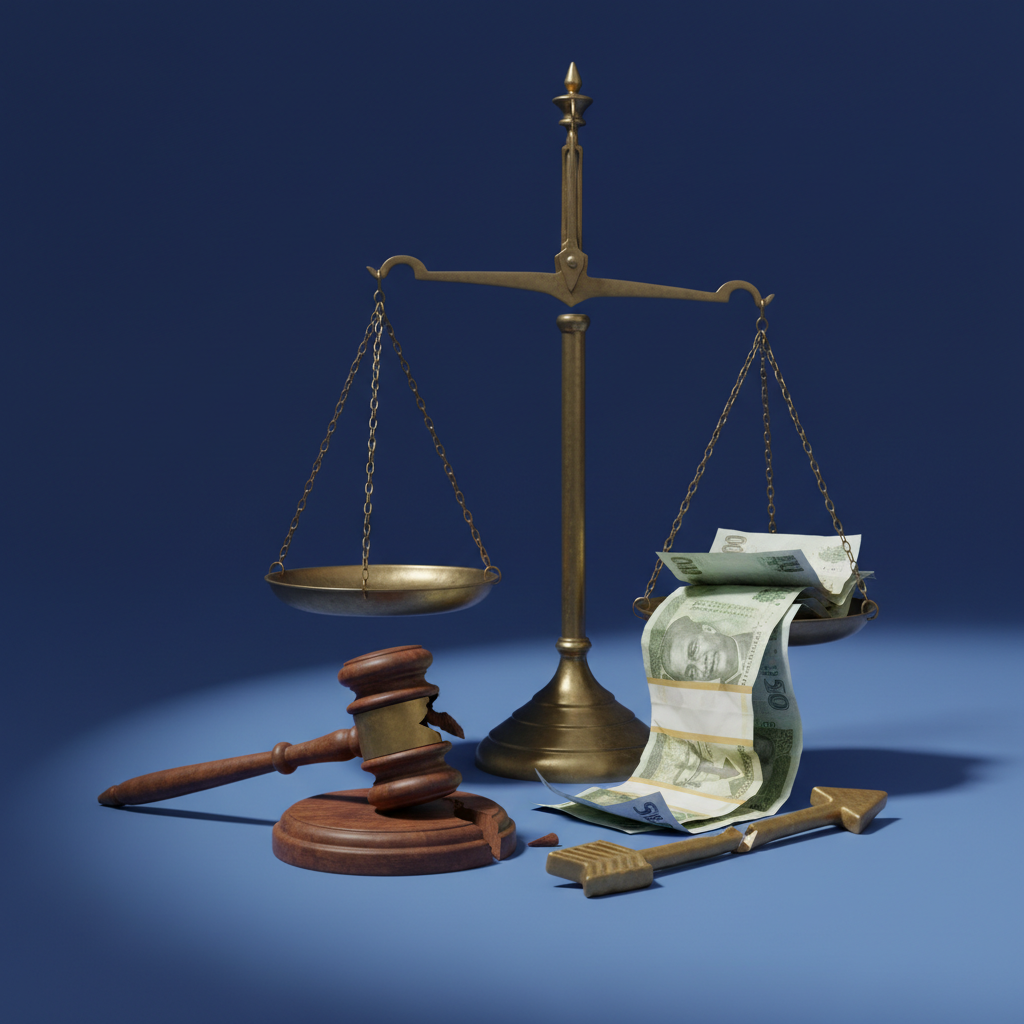
The ECOWAS Community Court of Justice has dismissed all seven claims filed by former Chief Justice Gertrude Torkornoo against the Republic of Ghana. The court declined to award the US$10 million (approximately GHS 147 million) in damages sought by Ms. Torkornoo. This decision means Ghana will not pay the substantial financial compensation requested.
Ms. Torkornoo's lawsuit challenged her suspension and removal from office. She alleged these actions violated her rights under the African Charter on Human and Peoples’ Rights. The court concluded Ghana did not infringe any of these cited rights. This ruling effectively ends the claims pursued by Ms. Torkornoo before the regional court.
This outcome is crucial for Ghana's public finances, as a judgment against the state would have added a significant financial burden. It also reinforces the government's legal position in handling high-profile judicial cases. The dismissal aligns with Ghana's consistent efforts to defend its sovereign decisions in international tribunals. This case adds to the broader context of judicial independence and accountability within the Ghanaian political landscape, often scrutinized by civil society organizations.
Deputy Attorney-General and Minister for Justice, Justice Srem-Sai, announced the court's decision on Wednesday, June 26. He stated that the court found no basis for compensation. Mr. Srem-Sai quoted the court’s decision directly, noting, “in light of the Court’s conclusions that Ghana has not violated any of the Applicant’s rights under the African Charter as alleged, the Court makes no decision on reparations.” He commended the legal team representing Ghana for their extensive research and preparation.
The dismissal of this significant claim has several implications for Ghana. For one, it prevents a large payout from state coffers, providing relief to Ghana's public finance managers. This ruling could also influence future legal challenges brought against the state by former public officials. It reinforces the integrity of Ghana's legal processes, particularly in dismissing claims of human rights violations. Decision-makers in Ghana will closely watch how this ruling impacts perceptions of the country's judicial system and its relationship with regional courts.
Ghana’s legal team’s successful defence in this high-profile case may bolster confidence in the state’s ability to navigate complex international legal disputes. The government avoids a potential financial liability of GHS 147 million due to this judgment. This outcome underscores the importance of thorough legal representation in defending the nation's interests. The decision will likely be a point of discussion among legal scholars and politicians regarding judicial oversight and state accountability.