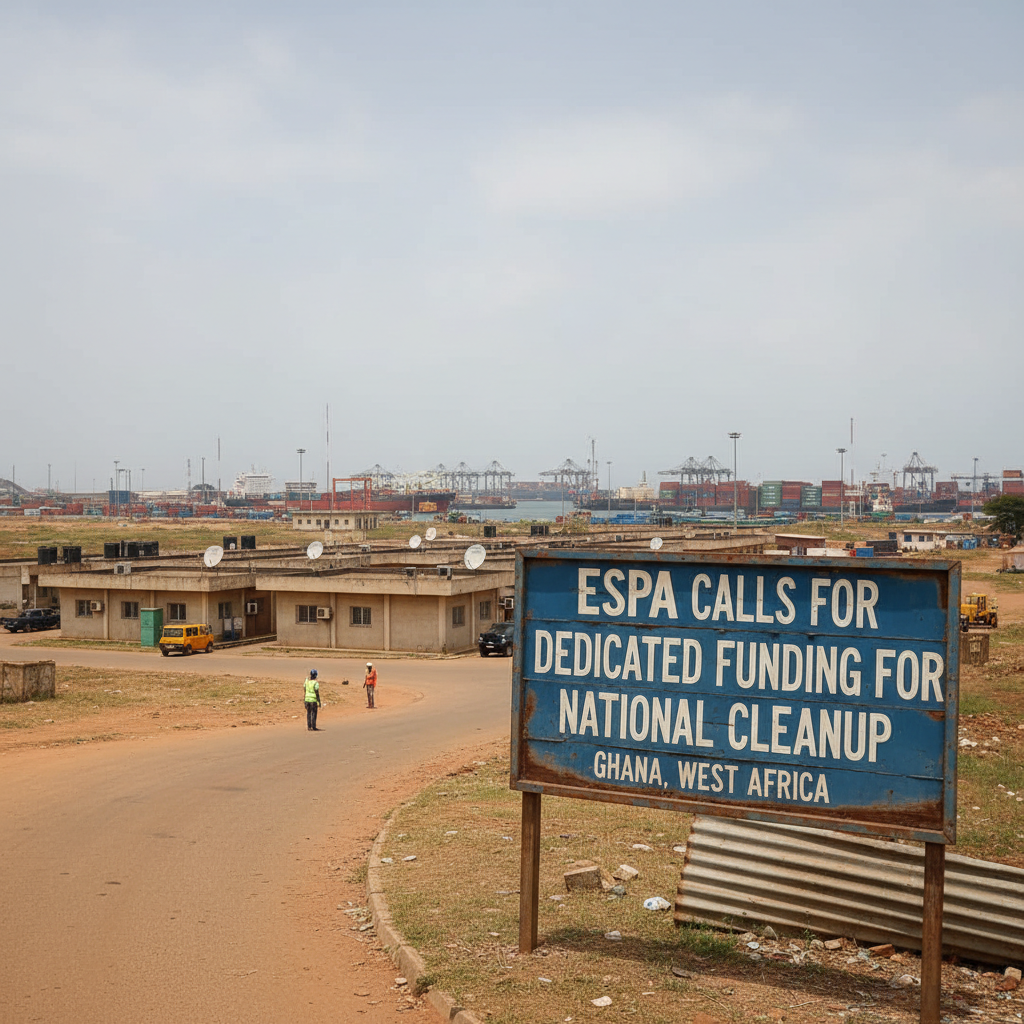
The Environmental Service Providers Association (ESPA) has requested that the government set aside a specific budget for the upcoming two-day national clean-up exercise. ESPA Executive Secretary Ama Ofori Antwi stated that without enough money, the national clean-up campaign might not achieve its goals.
Ms. Ofori Antwi emphasized that waste management companies face significant operational challenges. These include a lack of necessary equipment and the high cost of maintaining existing machinery. She warned that without new investment, the cleanup efforts will not be sustainable. The proposed dedicated budget aims to address these critical funding gaps.
This call for specific funding reflects a broader national struggle with waste management and sanitation in Ghana. Many urban areas continue to battle with overflowing bins and uncollected refuse, posing public health risks. The government has prioritized sanitation through various initiatives, but consistent funding remains a hurdle. Data from the Ministry of Sanitation and Water Resources often points to funding shortfalls impacting long-term waste infrastructure development.
Speaking on Adom TV's Badwam, Ms. Ofori Antwi explained the severe financial strain on waste management operators. She highlighted the high cost of spare parts and new equipment. Her statement underscores the urgent need for a stable financial commitment from the government. Such a commitment would ensure the effectiveness of national sanitation drives and support the private sector's role.
Moving forward, the government's response to this funding proposal will be crucial. A dedicated budget could significantly boost the national clean-up exercise's success and improve environmental health outcomes. Decision-makers will need to evaluate the financial implications and balance them against the public health benefits. Markets and environmental stakeholders will closely watch how this funding debate unfolds. It will also indicate the government's commitment to sustainable waste management policies.
The impact of inadequate sanitation extends beyond public health. It affects tourism, foreign direct investment, and overall economic productivity. Sustainable waste management practices are essential for Ghana's long-term development. The proposed dedicated budget offers a clear path to strengthening these vital services. It is a critical step towards achieving a cleaner and healthier Ghana. This initiative could also create jobs in the waste management sector.
Ghana's national clean-up initiatives have seen mixed results in the past, often due to inconsistent funding and logistical issues. A dedicated budget, as proposed by ESPA, could provide the stability needed for these efforts to be truly effective. This would allow for better planning and resource allocation. It would also help to involve more community members in maintaining a clean environment.