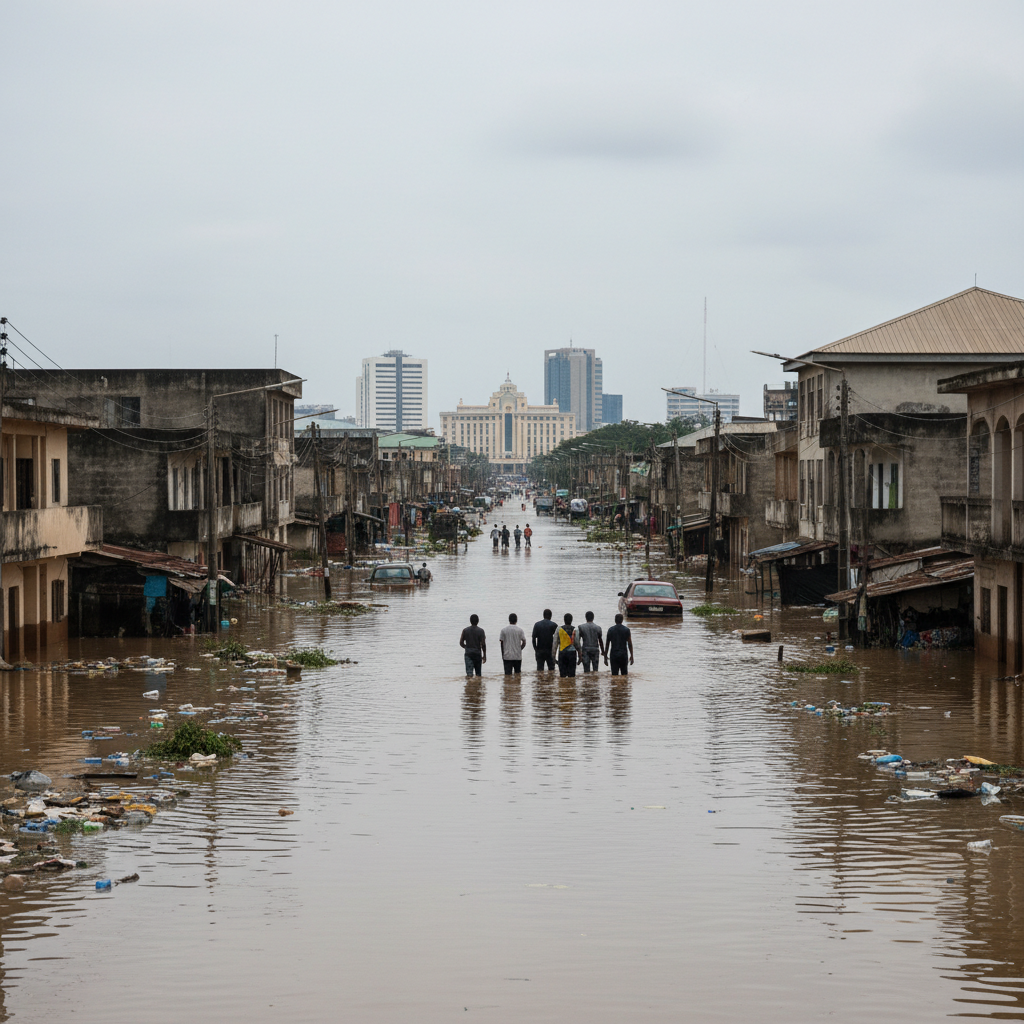
Susan Adu-Amankwah, Executive Secretary of the National Interest Movement, has warned the death toll from Ghana's recent floods could increase significantly. This potential rise stems from a possible outbreak of diseases in affected communities. At least 34 people have already died following the devastating floods that swept through parts of the country, especially the national capital, Accra, on June 29.
Hundreds of residents have been displaced from their homes due to the disaster. Ms. Adu-Amankwah highlighted that stagnant water and poor sanitation conditions are creating fertile ground for disease. Without urgent public health measures, more lives could be lost to illnesses like malaria, cholera, and typhoid.
This warning comes amidst a recurring pattern of severe flooding in Ghana, particularly in Accra. Such events consistently strain public health infrastructure and lead to significant economic disruption. The cycle of disaster, response, and recovery diverts resources that could be used for preventative development. Ghana's annual rainy season frequently brings such challenges, exposing weaknesses in urban planning and sanitation systems.
Speaking on JoyNews' Newsfile on Saturday, July 4, Ms. Adu-Amankwah critically stated, "I tell you, these are not the only lives that would be lost. Going on, we are in a public health crisis and more lives would be lost than we will put to malaria, cholera, we will put to typhoid, and it is the cause of the floods." She stressed that authorities must take decisive action. This action must address the underlying causes of the recurring floods.
Decision-makers must now focus on implementing robust public health interventions to prevent disease spread. They must also deliver long-term solutions to Ghana's persistent flooding challenges. This includes improved drainage systems, waste management, and enforcing building regulations. The economic cost of these recurring floods, both in human lives and infrastructure damage, demands a comprehensive national strategy. Public health officials and humanitarian organizations will monitor disease incidence closely.
The government's response will be critical in mitigating further loss of life. Effective disaster management and preventative infrastructure development are essential. These efforts will protect citizens and ensure sustained economic stability. The recurring nature of these floods demands a sustained commitment beyond immediate relief operations.