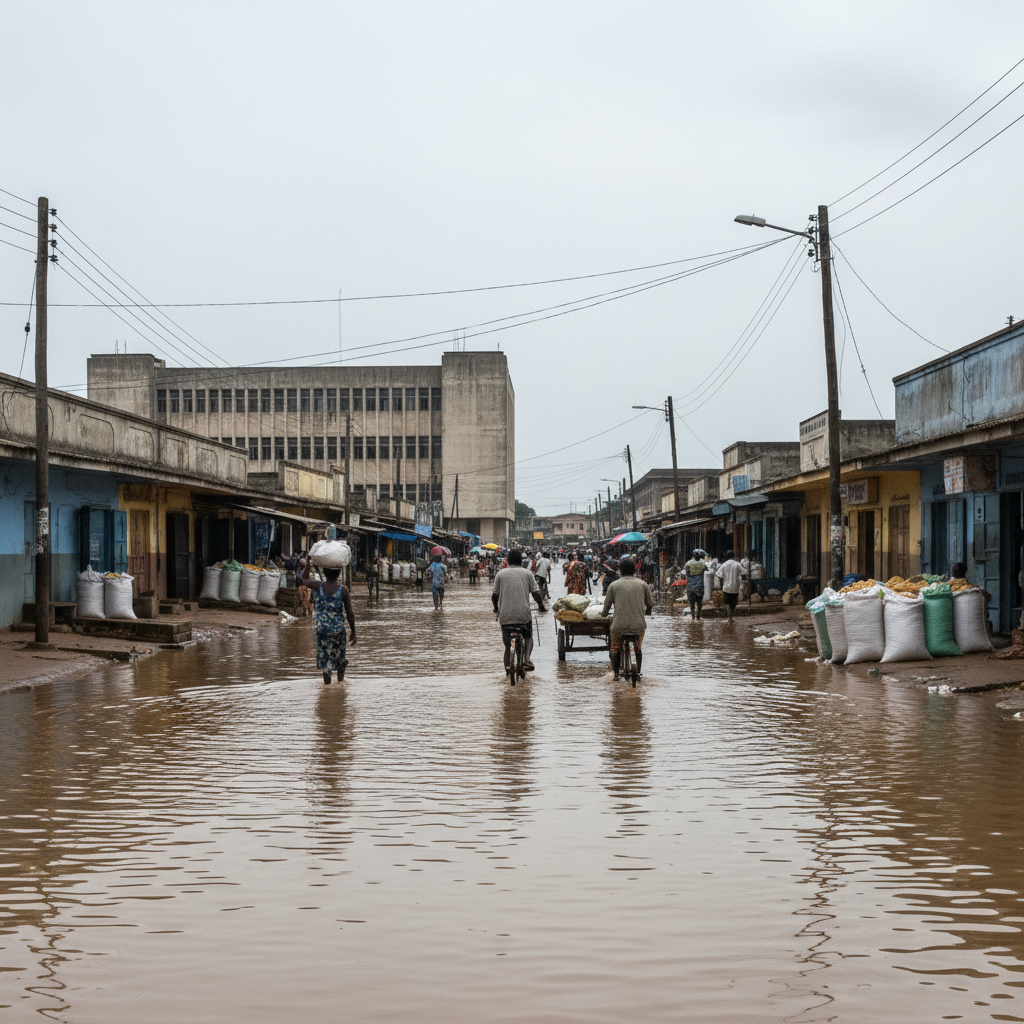
The Ghana Association of Public Health Technical Officers (GAPHTO) warns that recent flooding across Ghana could trigger outbreaks of cholera, malaria, and typhoid. This serious public health concern arises from the ongoing rainy season and its devastating impact.
Devastating floods hit parts of Accra on June 29, along with other areas like Samraboi in the Western Region. Stagnant water, poor drainage, and contaminated environments create ideal conditions for rapid disease spread. These conditions threaten the health of communities affected by the floods.
Ghana is currently in the middle of its major rainy season. Climate change continues to intensify weather events, meaning more torrential rainfall and flooding are likely. This ongoing risk puts an additional strain on Ghana's public health infrastructure and emergency services. Previous flood events have also led to similar public health warnings.
GAPHTO said the health consequences of flooding go far beyond property destruction. It specifically warned that these conditions increase the risk of water-borne, water-based, and water-related diseases. The statement listed cholera, dysentery, rotavirus, and typhoid fever as water-borne diseases of concern. It also highlighted schistosomiasis, malaria, yellow fever, dengue fever, and worm infestations.
The association has issued a nationwide public health advisory urging citizens to take practical steps to protect themselves. These steps include monitoring weather updates closely and clearing drains and waterways. Food safety and hand hygiene are also critical recommendations to prevent disease transmission. District Assemblies and Metropolitan Authorities must speed up the desilting and maintenance of drainage systems.
Maintaining public health in these conditions has significant economic implications for Ghana. Disease outbreaks can strain healthcare budgets, reduce productivity due to illness, and disrupt economic activity in affected areas. The cost of preventing widespread epidemics is far lower than the cost of treating them. Investments in public health infrastructure and early warning systems become critical during this period.
GAPHTO called on every Ghanaian to take necessary measures to preserve life. They specifically advised communities to keep warm, ensure adequate nutrition, and maintain good hydration. Early reporting of illness is also crucial to prevent outbreaks from spreading quickly. Prompt reporting helps health authorities track disease patterns and detect possible outbreaks.
The association further urged its members and public health professionals to intensify their work in communities and schools. Disease Control Officers, Nutrition Officers, and Health Promotion Officers must step up public education. They need to direct people to available health services and support vulnerable groups. This unified effort is essential to mitigate the health crisis.
Understanding Public Health Risks from Floods
Flooding often leads to several public health problems. Stagnant water provides breeding grounds for mosquitoes, which spread diseases like malaria and dengue fever. Floodwaters can contaminate drinking water sources with sewage and waste, leading to water-borne diseases. These include cholera, typhoid, and dysentery. The disruption of sanitation systems further worsens these risks.
The economic impact of these diseases can be substantial. Healthcare systems become overwhelmed, leading to shortages of medicines and medical personnel. Families incur significant medical expenses, potentially pushing them into poverty. Lost working days and reduced agricultural output further harm the national economy. These factors highlight the urgent need for preventive action.
GAPHTO’s warning serves as a critical call to action for both the government and individual citizens. Effective flood management, improved sanitation, and robust public health campaigns are vital. These interventions can protect lives and safeguard Ghana's economic stability in the face of increasing climate challenges.