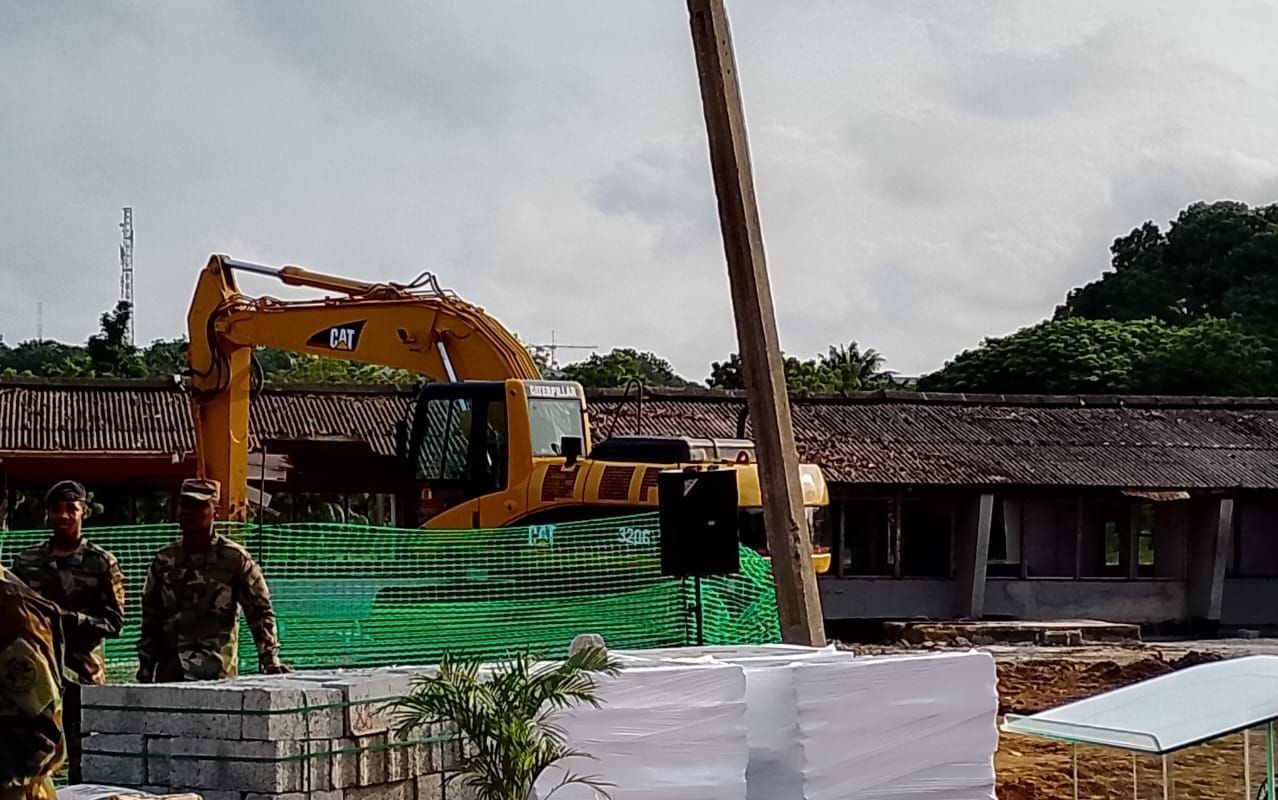
The Ghana Armed Forces (GAF) has begun a GHS 190 million redevelopment project at Burma Camp to construct approximately 2,000 modern housing units for military personnel. This initiative directly addresses a long-standing accommodation shortage within the armed forces.
The first phase of the project will deliver 250 housing units within 13 months. This initial stage carries an estimated cost of GHS 190 million, covering a 13.5-acre site. The project will increase accommodation capacity from 36 households to 258 households through 18 new residential blocks.
This redevelopment forms part of the broader Barracks Rehabilitation Programme. The programme seeks to replace old military housing units, many dating back to the colonial era, with modern residential facilities. Improving living conditions for service personnel and their families remains a key objective, aligning with national efforts to enhance public sector welfare.
Deputy Minister for Defence, Ernest Brogya Genfi, spoke at the sod-cutting ceremony. He described the project as an important step in updating poor military barracks. He noted that many existing structures have become unsafe and unsuitable for modern living after years of use. Mr. Genfi stated, "A significant number of these structures have become weak, outdated and unable to meet acceptable modern housing standards."
The Burma Camp Redevelopment Project signifies a move from merely repairing old barracks to building new, modern housing. This approach aims to meet the future needs of the Ghana Armed Forces. Chief of the Defence Staff, Lieutenant General William Agyapong, called the project a strategic investment. He assured stakeholders that the project would maintain transparency and accountability. He highlighted strong financial controls, independent audits, and strict monitoring systems to ensure value for money and timely completion.
Once completed, the project will significantly reduce the housing deficit within the Ghana Armed Forces. It will also improve the quality of life for soldiers and their families. This investment impacts government expenditure and shapes future economic planning in the defense sector. The ongoing focus on infrastructure development also supports job creation in the construction industry.
The project includes multi-storey apartment buildings, improved roads, and upgraded water and electricity systems. Better drainage, recreational facilities, and other essential amenities will also be part of the new Burma Camp. This comprehensive upgrade reflects a strategic vision for military infrastructure nationwide, with potential impacts on local economies around military installations.