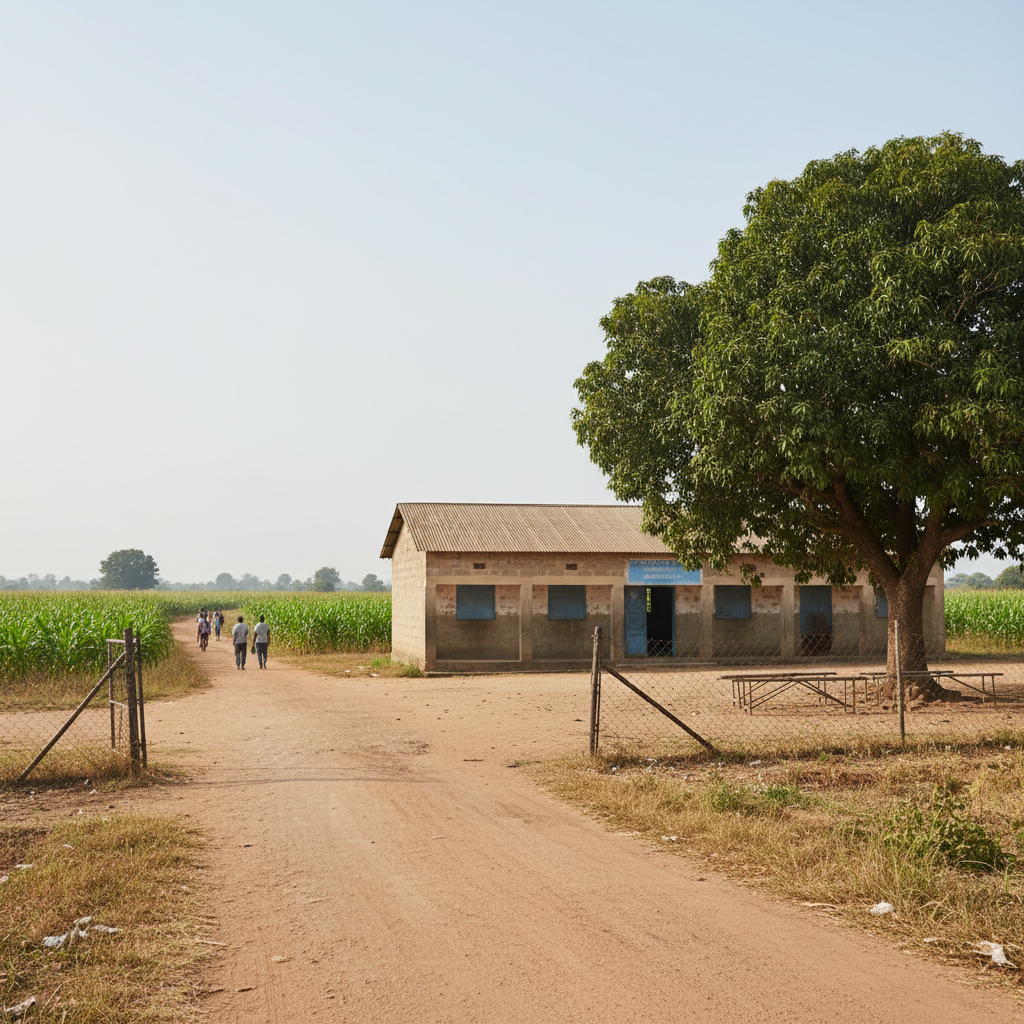
Ghana’s government will not add new schools to the Ghana School Feeding Programme (GSFP) in 2026. This decision stems from significant budgetary constraints, as confirmed by Dr. Agnes Naa Momo Lartey, Minister for Gender, Children and Social Protection.
Parliament did not grant financial clearance under the 2026 Appropriation for programme expansion. Instead, the government will focus on enhancing the quality of meals for existing beneficiaries. It will also provide financial relief to caterers within current available resources.
The GSFP is crucial for improving child nutrition and boosting school attendance in Ghana. The programme also helps reduce absenteeism and supports local food production. The government maintains a long-term commitment to strengthening the initiative. However, immediate financial realities prevent its physical expansion to more schools.
Minister Lartey addressed Parliament yesterday on these developments. She acknowledged concerns about the lack of expansion for new schools. "Under the 2026 Appropriation, the programme did not receive financial clearance for further expansion," Dr. Lartey stated. This indicates a direct impact of national budget allocations on social programmes for Ghanaian children.
The government has implemented several measures to improve service delivery despite the lack of expansion. The daily feeding grant has increased from GHS 1.50 to GHS 2.00 per child per meal. This 50-pesewa increment aims to alleviate financial pressure on caterers. It should also lead to better quality and more nutritious meals for schoolchildren. Dr. Lartey explained, "That 50-pesewa increase goes a long way to improve the situation and relieve the caterers."
Another significant measure removes the tax component from payments made to caterers. This change allows caterers to retain more funds for meal preparation. "We are hoping that taking out the tax component... will give them more relief," Dr. Lartey added. This move directly supports the financial viability of caterers. It ensures they can provide adequate meals without suffering losses.
The Ghana School Feeding Programme currently serves about 4.23 million pupils across 12,045 public basic schools. These schools cover learners from kindergarten up to Primary Six. The government's immediate focus is now on quality rather than quantity. It hopes to balance both quality and quantity as more financial resources become available. This approach prioritises the well-being of existing beneficiaries.
The Minister assured Parliament of the government's ongoing commitment. She stated that expansion to more schools would be considered in the future. This will happen when additional financial resources are secured. The decision reflects the tight fiscal environment Ghana currently faces. It also highlights the government's strategy of prudent resource management in social programmes.