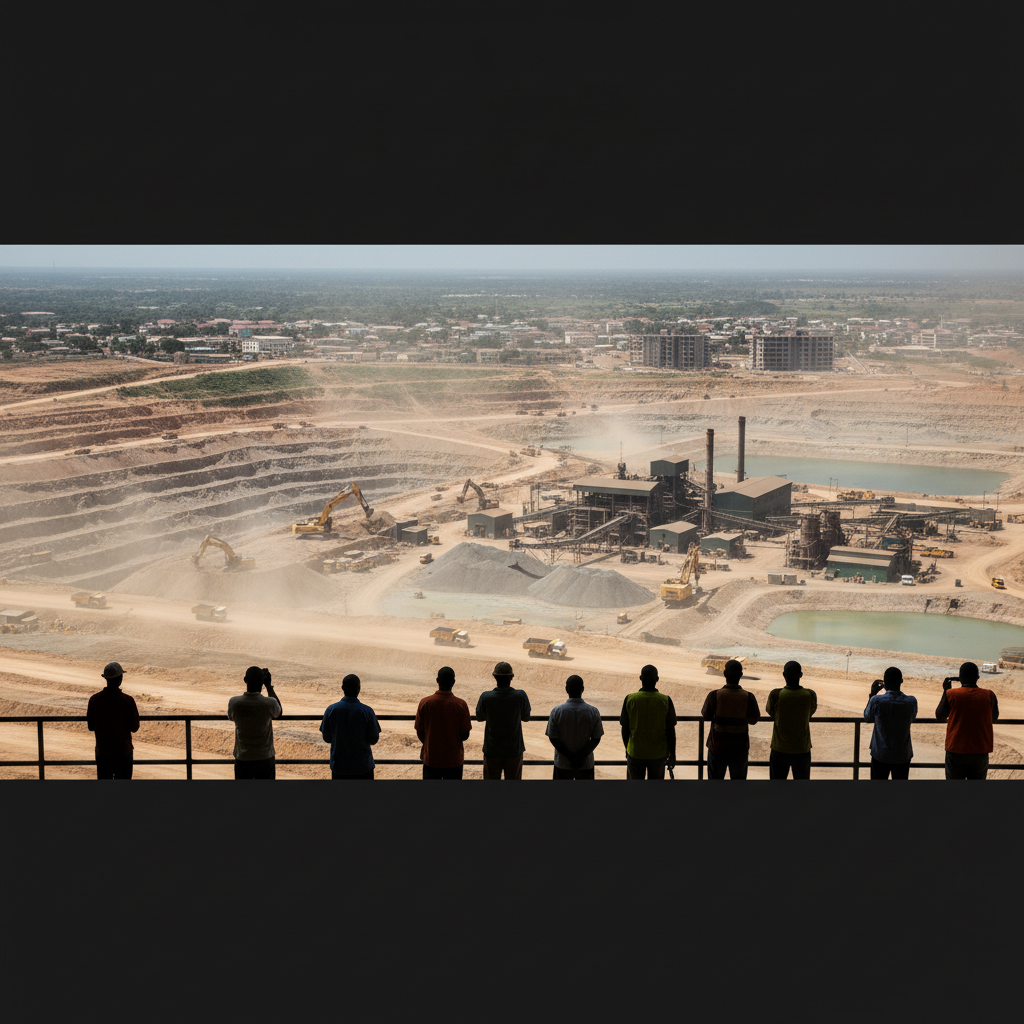
The Ghana Gold Board (GoldBod) will purchase 30% of all large-scale mining companies' gold output from July 1, 2026. This agreement stems from a deal between GoldBod and the Ghana Chamber of Mines.
Under the new arrangement, each large-scale mining company must sell 30% of its gold in doré form to GoldBod. Doré refers to the raw, unrefined gold. These transactions will happen in Ghana, paid in Ghana Cedis, and priced at a 0.55% discount using the Bank of Ghana Reference Rate.
This initiative fits into Ghana's wider economic plan to increase foreign reserves and add value to its major exports. Specifically, it supports the Ghana Accelerated National Reserve Accumulation Programme (GANRAP). This program aims for Ghana to hold enough foreign reserves to cover 15 months of imports by the end of 2028. The move also aligns with President John Dramani Mahama's goal to end raw mineral exports by 2030 through increased local processing.
The agreement results from joint directives from the Minister for Finance and the Minister for Lands and Natural Resources. A Memorandum of Understanding formalises this deal. This document was signed by the Ministry of Finance, the Ministry of Lands and Natural Resources, GoldBod, the Bank of Ghana, and the Ghana Chamber of Mines. Further details of this important agreement will be released on Monday, July 29, 2026.
This arrangement is strategically designed to help Ghana achieve London Bullion Market Association (LBMA) accreditation for at least one local gold refinery by 2030. The LBMA sets high standards for gold and silver bars, ensuring quality and transparency in the global market. All doré gold acquired by GoldBod will be refined within Ghana to keep more of the gold's value in the country. After local refining, the gold will go to an LBMA-certified refinery for final melting and stamping. It will then be delivered to the Bank of Ghana, contributing to the nation’s gold reserves.
This new system represents a shift from a previous 2022 arrangement that involved the Bank of Ghana directly. The structure ensures gold purchasing is done locally and in Ghana Cedis, strengthening the domestic economy. This policy could reduce Ghana’s reliance on foreign currency for gold purchases. It could also stabilise the Ghana Cedi by supporting its value through domestic gold transactions.
The move towards local refining and LBMA accreditation is crucial for Ghana to become a significant player in the global gold market. It will allow Ghana to produce gold that meets international quality standards. This could attract more investment into the country's mining and refining sectors. Decision-makers and investors will closely watch the progress of local refinery accreditation and the impact on Ghana's foreign reserves. The effectiveness of the 0.55% discount and its appeal to large-scale miners will also be a key factor in the success of this program.