Akosua Manu, an advisor on Gender and Social Protection to the 2028 NPP flagbearer, has accused the ruling National Democratic Congress (NDC) government of neglecting Accra’s persistent flooding problem.
She stated that the government chose to maintain favorable fiscal figures instead of implementing life-saving flood control projects. These accusations follow the devastating June 29 floods that affected many parts of Accra.
This situation fits into a broader Ghanaian context where infrastructure development often competes with fiscal prudence concerns. Past administrations have struggled to balance ambitious projects with budgetary constraints. The Ghana cedi has experienced volatility, leading to renewed focus on fiscal management. This has put pressure on the government to demonstrate fiscal responsibility.
Manu, speaking to journalists on Thursday, July 2, 2026, highlighted the availability of dedicated funding under the Greater Accra Resilient and Integrated Development (GARID) Project for these flood control measures. She said, “The funds were available, yet the focus appears to have been more on managing fiscal optics and making the economic figures look good on paper rather than executing critical flood control projects.”
Sources indicate the World Bank attributed delays in the GARID Project to fiscal controls by the Finance Ministry. This occurred despite funding already being in place for critical drainage and flood mitigation works. Manu emphasized that these findings expose a clear failure by the current administration. She believes they failed to continue and complete interventions started under the previous government. “If blame must be assigned, it will rest squarely at the doorstep of government,” she added.
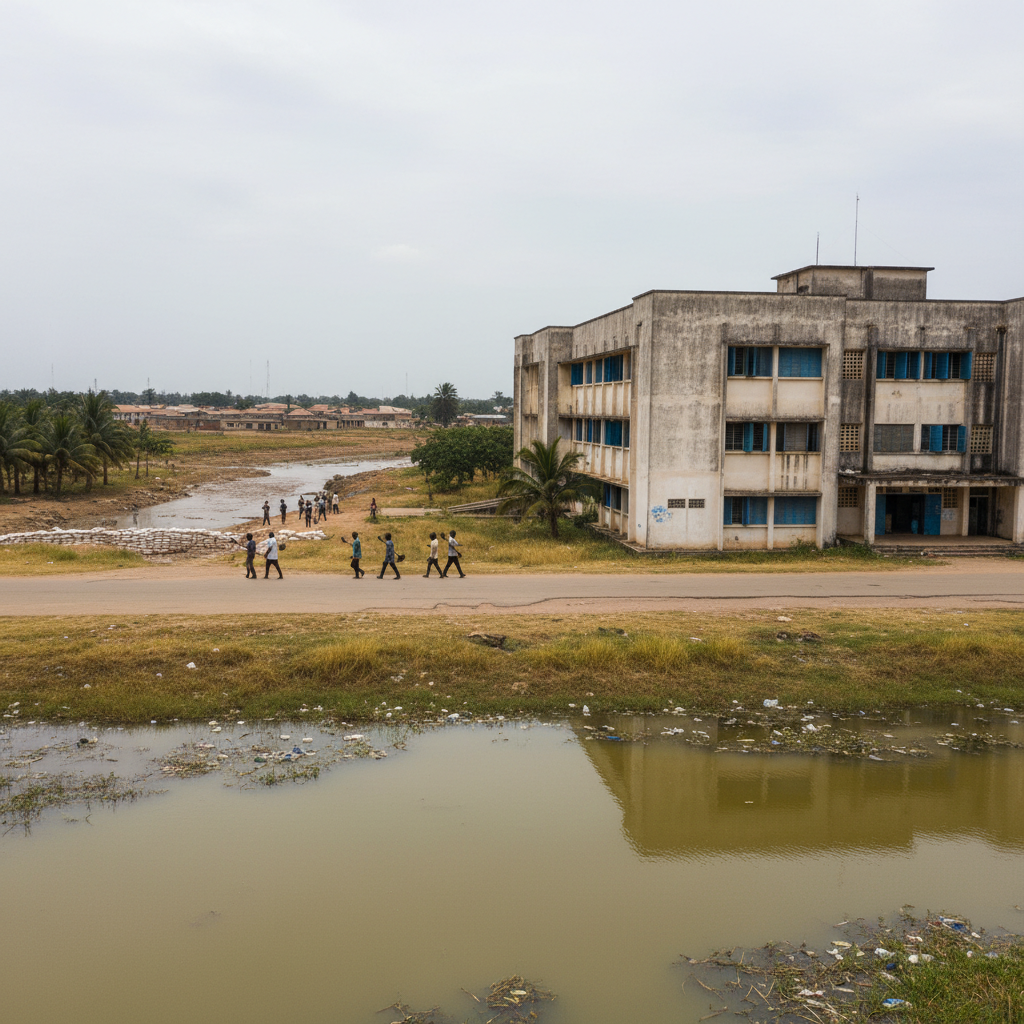
The current administration maintains that fiscal discipline is essential for long-term economic stability. However, critics argue against sacrificing immediate public safety for economic indicators. The June 29 floods caused widespread destruction across Accra, displacing many residents. Properties were damaged, and public debate over the city’s drainage challenges intensified. This event further highlights the urgent need for completed flood prevention projects. The government will face increased pressure to address these infrastructure deficits. Future fiscal policies will likely come under scrutinty regarding their impact on critical development projects affecting public welfare.
Looking ahead, the government’s response to these accusations and the ongoing flood crisis will be critical. Decision-makers must balance short-term fiscal goals with long-term infrastructure needs and public safety. Markets and citizens will closely watch for concrete steps to avert future flood disasters. The effectiveness of the GARID Project and similar initiatives will be a key indicator of governance. Continued delays could undermine public trust and economic stability. It could also lead to more substantial financial losses from repeated flood events.