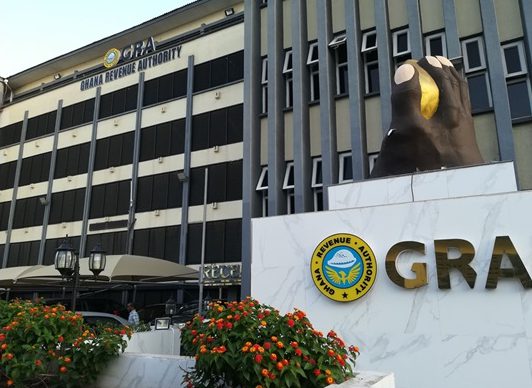
GRA Urges Tax Compliance Amidst Warning of Penalties

    Ghana Revenue Authority seeks full adherence to tax laws to boost national revenue collection.

    2 min read3 min listen
    GRA Urges Tax Compliance Amidst Warning of Penalties
    The Ghana Revenue Authority (GRA) is actively urging businesses and individual taxpayers to comply fully with all tax laws. The Authority has warned that failure to register, file tax returns, or properly account for collected taxes could lead to significant penalties and legal actions. This push aims to bolster domestic revenue collection across the nation. Mr. David Lartey-Quarcoopome, a Tax Administrator at the GRA, emphasized the critical need for engagement between taxpayers and the Authority. He explained that improved compliance depends heavily on open communication. Ghanaian businesses and residents must proactively interact with the GRA to avoid misunderstandings and ensure accurate tax processes. Ghana’s economic stability relies heavily on robust domestic revenue mobilization. The GRA's call for compliance fits into the broader government effort to enhance financial independence and reduce reliance on external borrowing. The push for improved tax collection becomes even more critical as Ghana navigates its economic recovery and development goals. Mr. Lartey-Quarcoopome stated on the Super Morning Show's "Time with Ghana Revenue Authority – GRA Connects" that taxpayers have specific rights and responsibilities. These rights include access to clear and timely information, while responsibilities encompass registration, filing returns, issuing tax invoices, and maintaining proper records. He encouraged taxpayers to seek assistance from GRA offices to prevent issues arising from non-compliance. Failure to meet tax obligations, such as registering or filing nil returns when no business activity occurs, attracts strict sanctions under the Revenue Administration Act, 2016 (Act 915). These sanctions can include financial penalties, interest charges, and other legal repercussions. For example, companies risk a GHS 2,000 penalty for failing to file annual returns by June 30. This highlights the serious financial consequences for non-compliant entities. The GRA plans to expand taxpayer service centres and improve access to information. This strategic move aims to reduce the burden on taxpayers and make compliance easier. By positioning service centres closer to business hubs, the GRA hopes to foster a more accessible and compliant tax environment. This infrastructure development supports the broader goal of increasing tax receipts necessary for national development projects. Tax compliance is essential for the government to fund public services and infrastructure. Increased revenue collection can support critical sectors like education, health, and transportation. Therefore, the GRA’s efforts directly impact the nation's capacity for sustained economic growth and social welfare improvements. The success of this initiative will be crucial for Ghana's fiscal health in the coming years.

    Comments

    More from StatsGH